ChREBP drives diabetic kidney disease, and its inhibition confers renal protection.
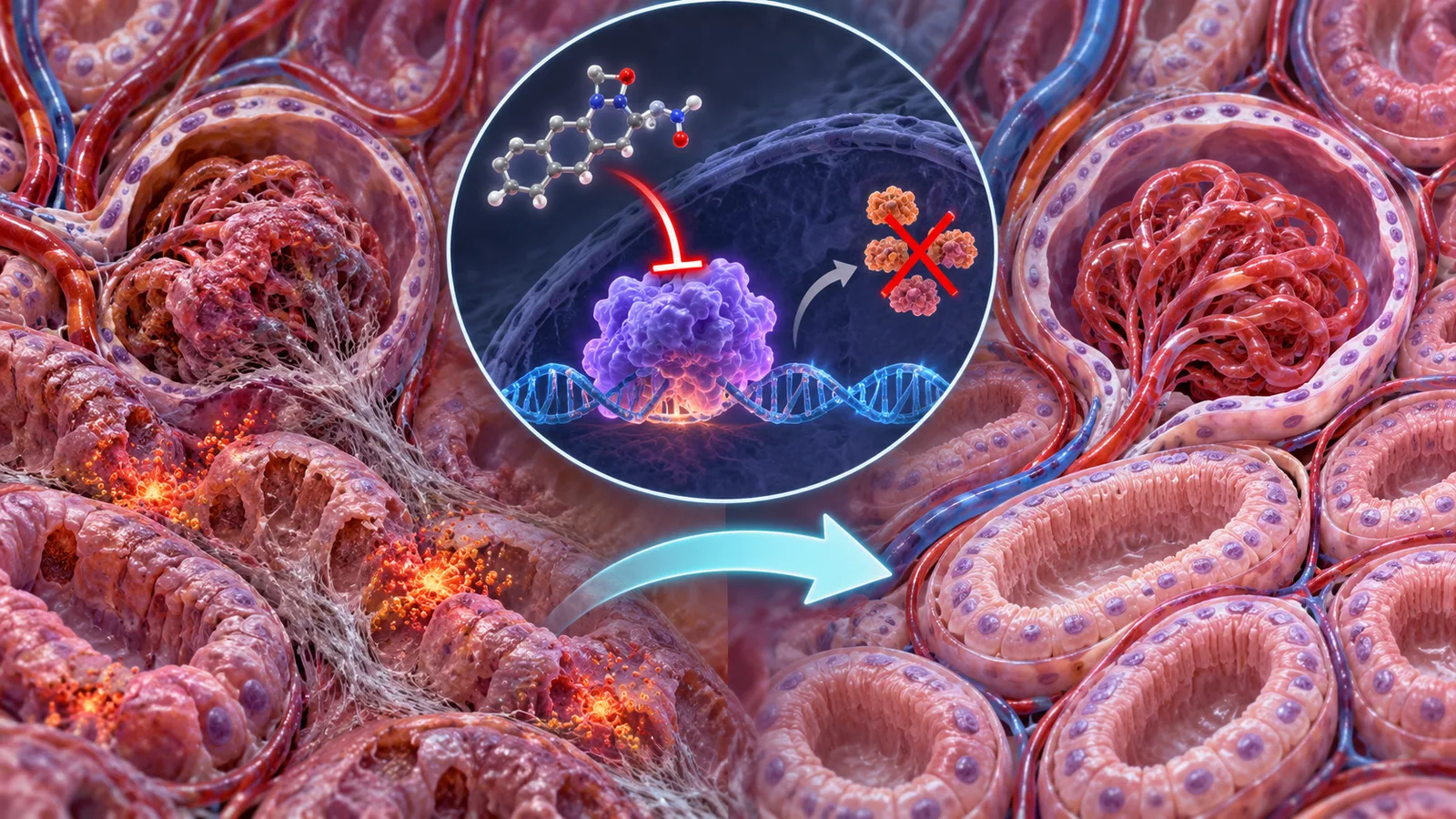
Chronic kidney disease (CKD) represents a major medical burden. Diabetic kidney disease (DKD) is a leading cause of CKD, but intracellular pathways that can be pharmacologically targeted are poorly defined. Using transcriptome screening of DKD model mice we found that a carbohydrate-responsive element-binding protein (ChREBP)-dependent transcriptional cascade is markedly up-regulated in diabetic kidneys. Genetic ablation of ChREBP in diabetic mice ameliorated DKD, establishing ChREBP as a potent
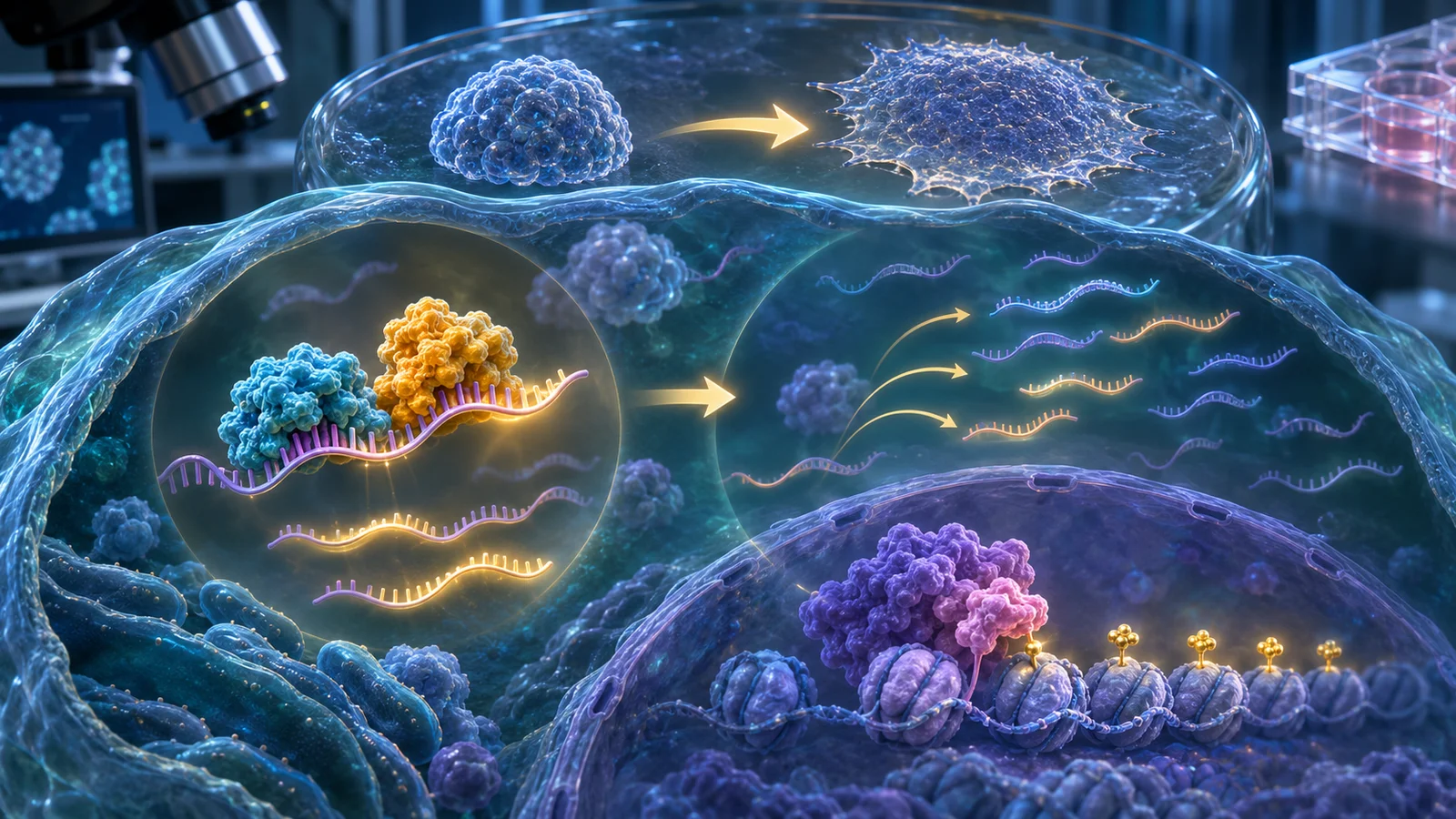
Chronic kidney disease (CKD) represents a major medical burden. Diabetic kidney disease (DKD) is a leading cause of CKD, but intracellular pathways that can be pharmacologically targeted are poorly defined. Using transcriptome screening of DKD model mice we found that a carbohydrate-responsive element-binding protein (ChREBP)-dependent transcriptional cascade is markedly up-regulated in diabetic kidneys. Genetic ablation of ChREBP in diabetic mice ameliorated DKD, establishing ChREBP as a potential causal driver. A chemical screen based on ChREBP transcriptional activity identified D-532 as a small-molecule inhibitor that is effective in human and rodent cells. Oral administration of D-532 protected multiple diabetic mouse models from DKD progression and suppressed ChREBP and its downstream targets, including genes associated with excessive reactive oxygen species production. These findings position ChREBP as a pharmacologically targetable transcriptional driver of DKD and provide proof of concept that ChREBP inhibition can confer renal protection.