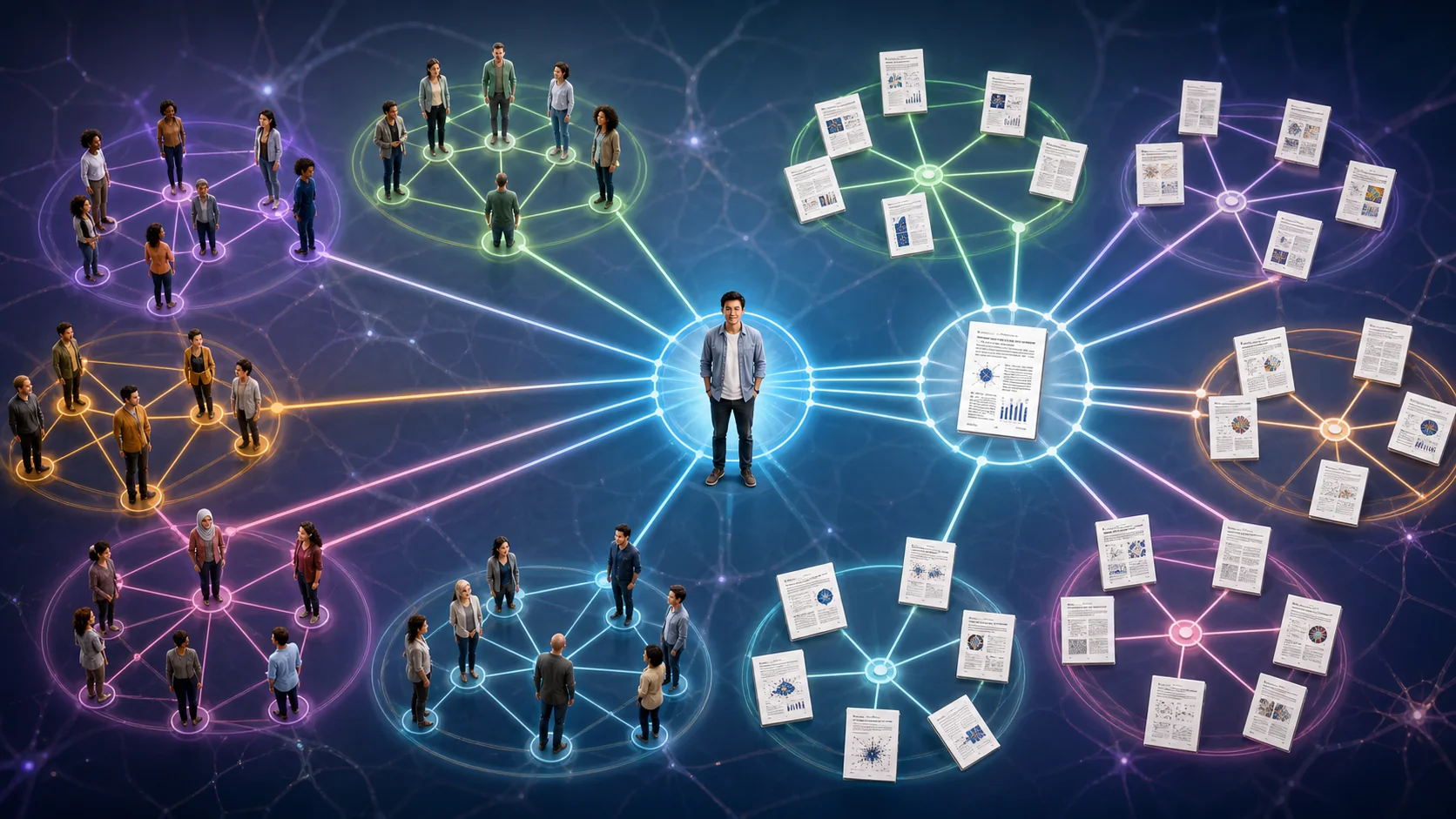
We study how kinship and reciprocity shape giving and child care support in societies with limited access to markets. Extending Hamilton's rule to incorporate reciprocity, we test it using behavioral data from dictator games and surveys in remote matrilocal and patrilocal villages of northeast India (N = 406 parents of young children). We replicate with data from urban Manila neighborhoods (N = 301) and the Solomon Islands (N = 624). Consistent with predictions, transfers to recipients increase
Neuronal microexons are a highly conserved class of alternative splicing events enriched in genes with critical functions in nervous system biology 1,2 . Microexon splicing is often disrupted in the brains of autistic individuals, and mice with microexon deficiencies display autism-like phenotypes 1,3,4 . However, the full landscape of microexons is not known, and the impact of genetic variation on these exons has not been systematically investigated. Here, through extensive transcriptome profil
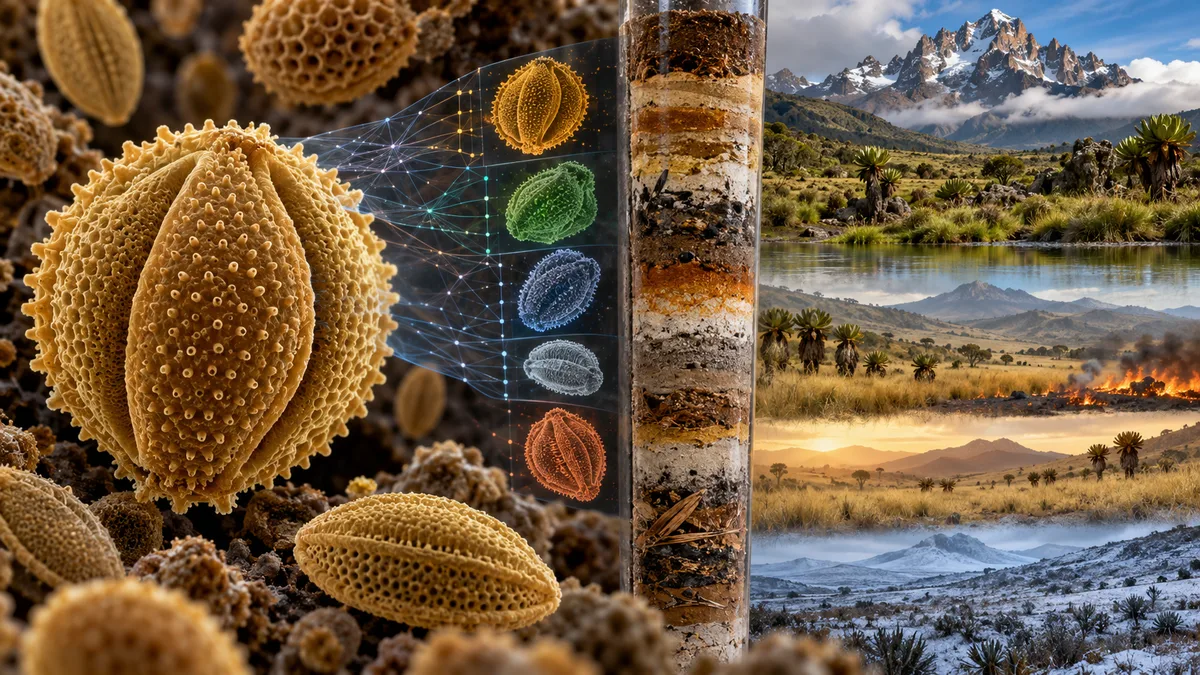
Grass (Poaceae) pollen is largely overlooked in investigations of grassland evolution because the pollen of most species cannot be differentiated using traditional optical microscopy. However, the combination of superresolution microscopy and deep learning enables the capture and quantification of distinct morphological variation across the pollen of grass species. Using a semisupervised deep-learning strategy, we trained convolutional neural networks (CNNs) on superresolution images of known mo
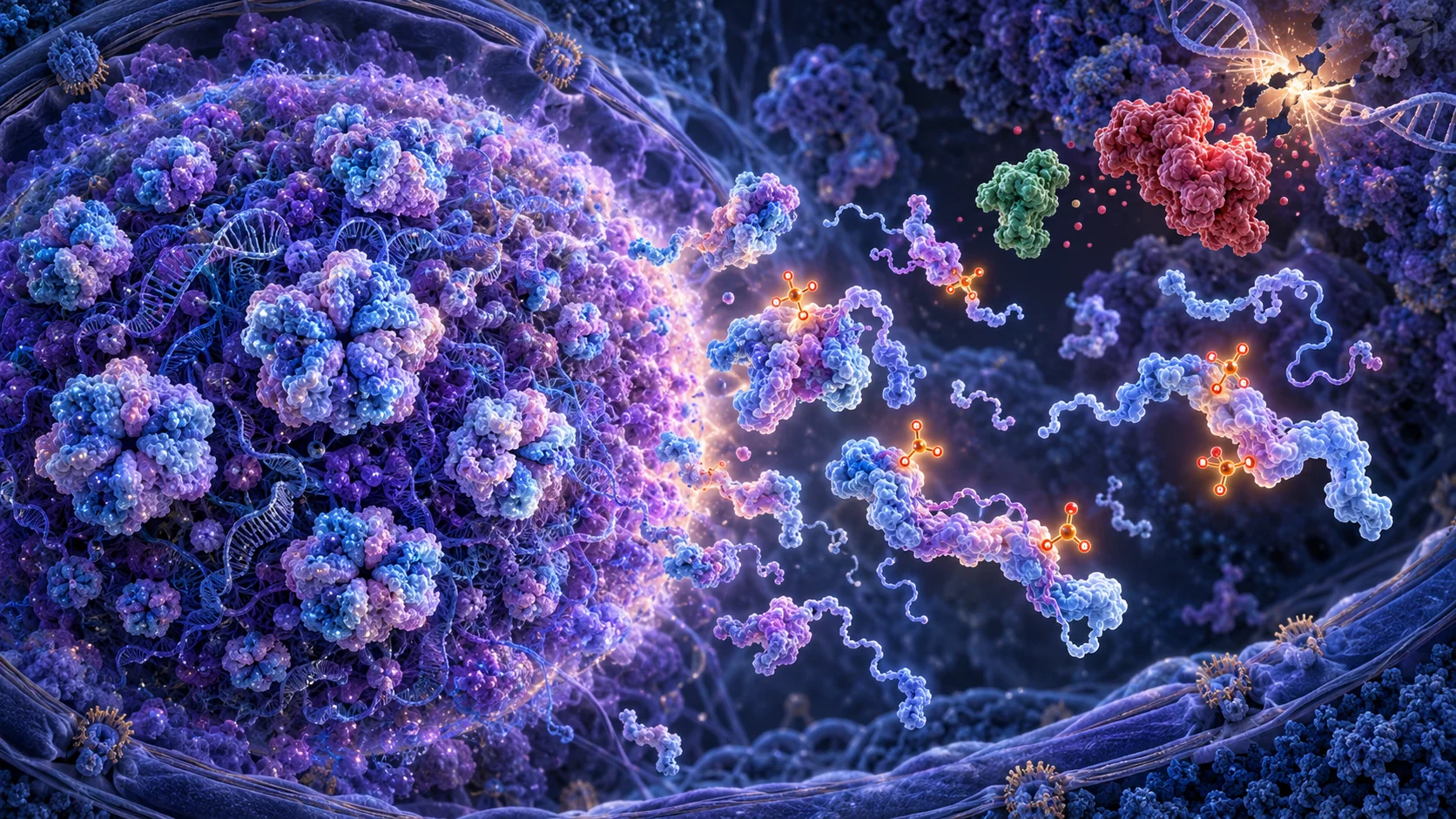
Nucleophosmin (NPM1) is a multifunctional nucleolar protein essential for ribosome biogenesis, genome stability, and stress responses. Its integration into the nucleolus depends on its oligomerization and multivalent interactions that enable liquid-liquid phase separation (LLPS). Here, we investigate how tyrosine phosphorylation at Tyr17, Tyr29, and Tyr67 located within the interface between monomers at the N-terminal oligomerization domain regulates NPM1 structure and function. Replacing tyrosi
One-third of the world's 70 million people with epilepsy have seizures uncontrolled by medication, and implantable devices are a promising treatment. These devices can detect impending seizures, missed medication and impaired cognition, but, like most medical devices, they cannot share this information with patients in real time. This is a missed opportunity for devices to learn from clinical events and teach patients how their behaviors affect their health. Here we present a device platform tha
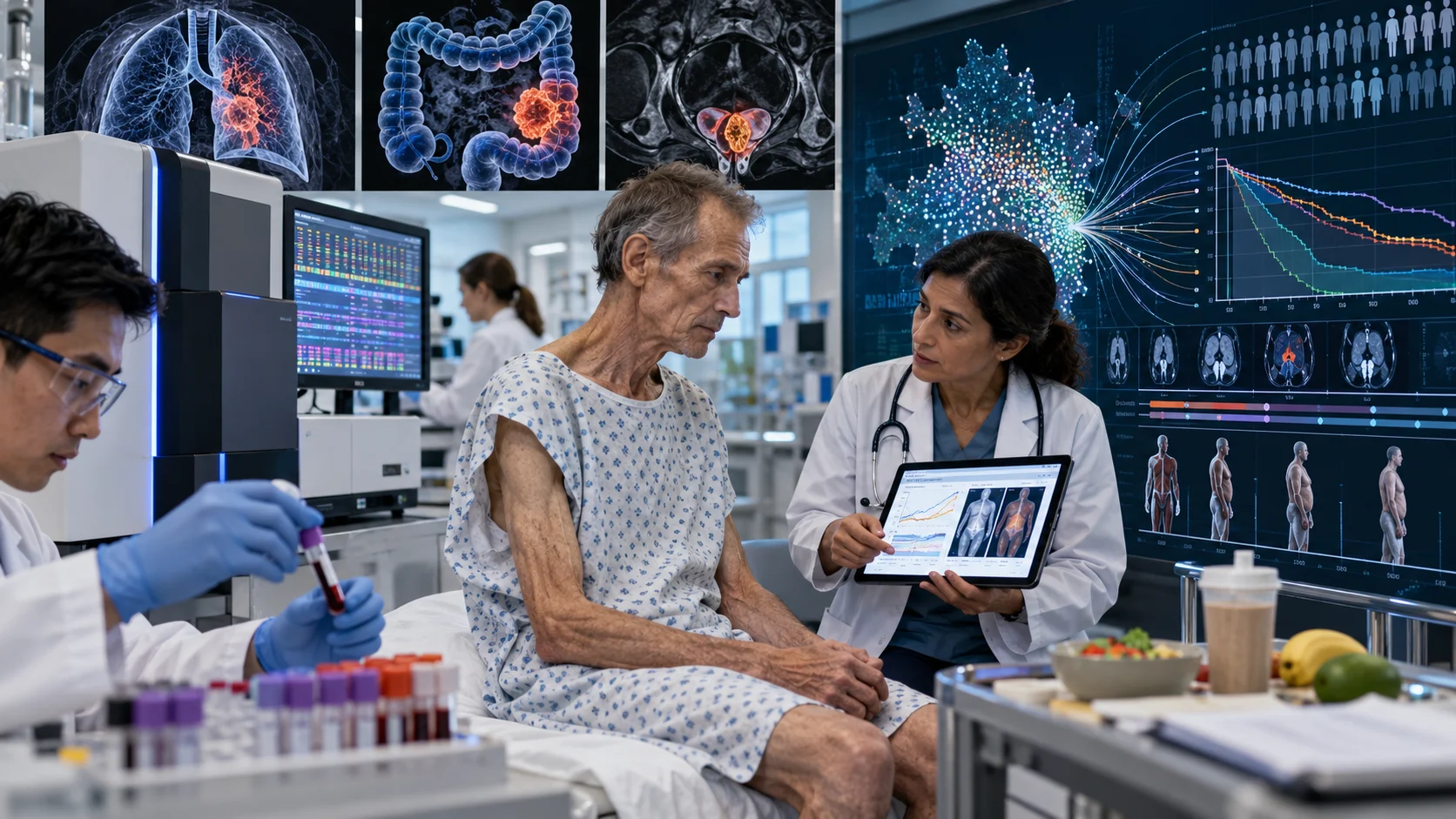
Cancer cachexia is a wasting syndrome with outsized impact on morbidity and mortality, yet its drivers and systemic consequences remain poorly defined. In this study, we repurposed longitudinal clinicogenomic data from 52,236 patients with cancer profiled by MSK-IMPACT (2010-2024) at Memorial Sloan Kettering Cancer Center to define episode-resolved trajectories of consensus-defined cachectic weight loss and linked these events to outcomes, serology and tumor genotypes. Cachectic episodes cluster
The mammary gland produces nutrient-rich human milk (HM), yet how mammary functional state shapes HM composition and infant outcomes remains poorly understood. We used HM multi-omics - metabolomics, proteomics, micronutrients, macronutrients, and HM oligosaccharides - across 1,543 samples from three cohorts, including two randomized trials, as a noninvasive readout of mammary functional state. Trajectory modeling and multi-omic integration showed that maternal supplementation improved recovery f
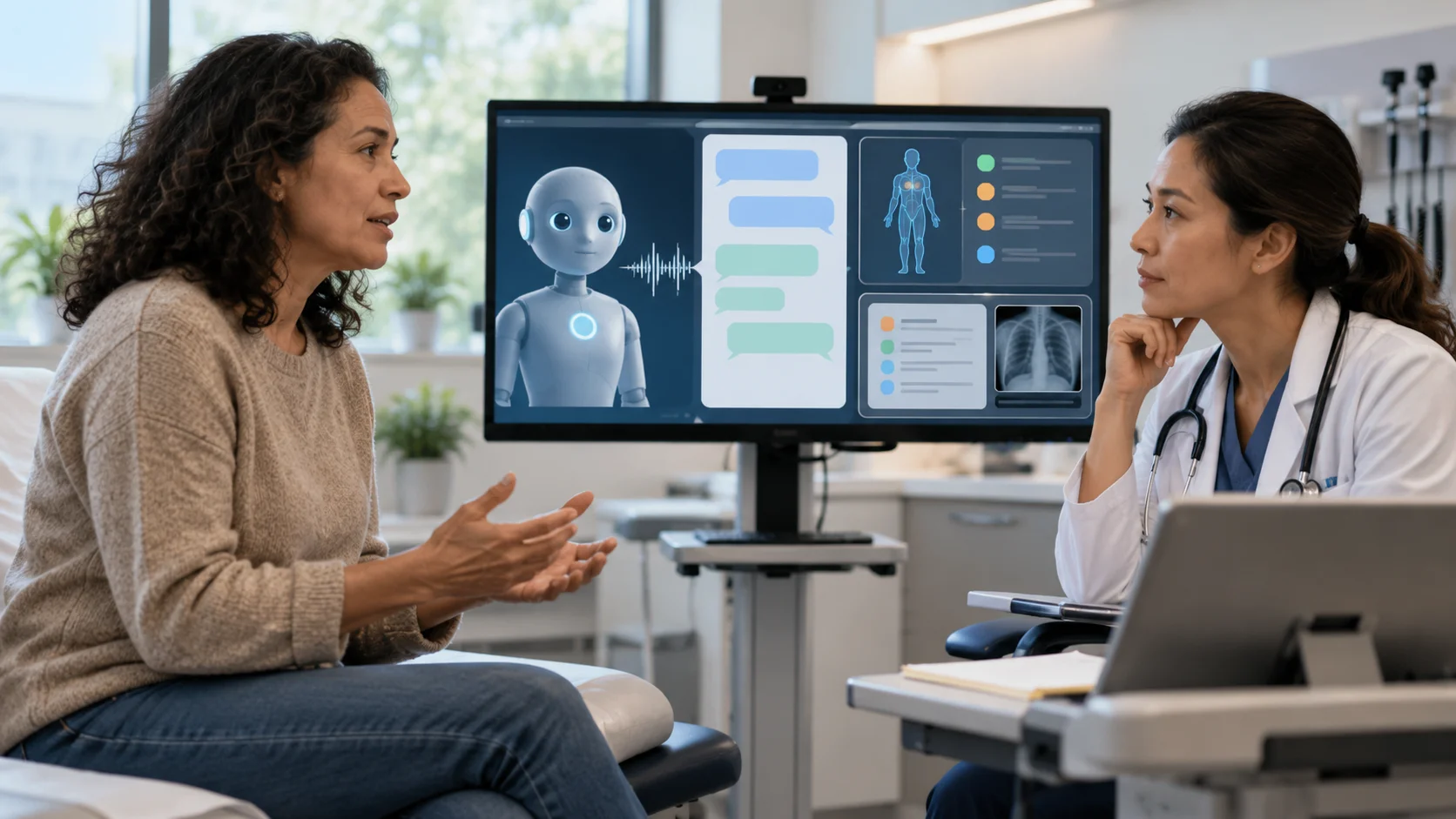
Artificial intelligence (AI)-based systems show promise for assisting primary care providers (PCPs) with patient care. We aimed to evaluate the safety and quality of clinical conversations of a patient-facing conversational AI system, which engaged in real-world urgent primary care appointments. In this prospective, single-centre, single-arm feasibility study, English-speaking patients aged at least 18 years interacted with the Articulate Medical Intelligence Explorer (AMIE) up to 5 days before
Large language models (LLMs) increasingly excel at mathematics tasks, but their unreliability limits their utility in mathematics research. A mitigation is to use LLMs to generate formal proofs in languages such as Lean, in which the compiler verifies every proof step. We present the first demonstration of this method’s value in solving open problems at scale. We built an artificial intelligence agent for formal proof search that autonomously resolved nine of 353 open Erdős problems, proved 44/4
Semidefinite programming (SDP) provides a powerful framework in applied mathematics with applications spanning optimization, machine learning, quantum computing, and beyond. However, the computational cost of solving large-scale SDP problems remains a significant practical limitation. We break this long-standing computational bottleneck through a synergistic codesign of low-rank algorithms and graphics processing unit (GPU) architectures, developing accelerated first-order methods that leverage
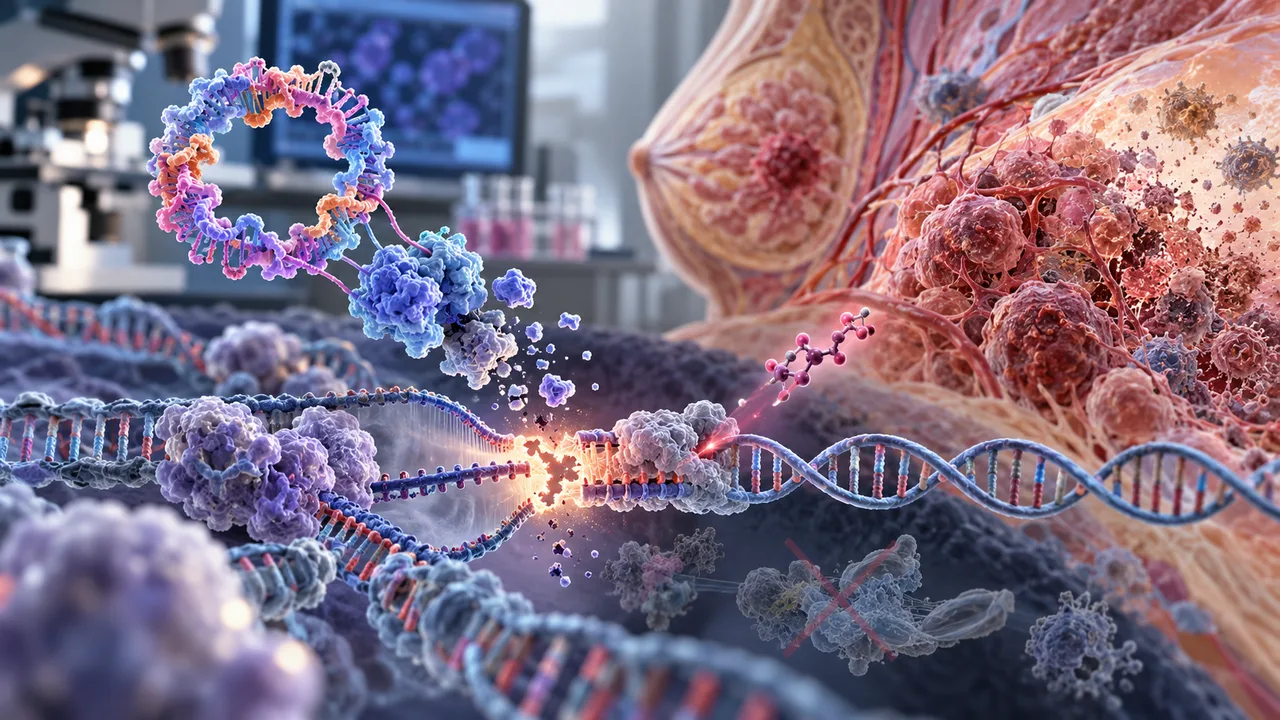
Genome instability (GI) is a hallmark of cancer. GI is associated with accumulative DNA damage and tumor-specific defects in DNA repair. Multiple antitumor drugs have been developed to promote persistent GI and to drive DNA damage beyond a threshold that tumor cells can survive. However, regulatory roles of circular RNAs (circRNAs) in GI and DNA damage remain elusive. Through circRNA profiling and a small interfering RNA (siRNA)-mediated screen, we have identified a circRNA termed circRBM39(4,5,
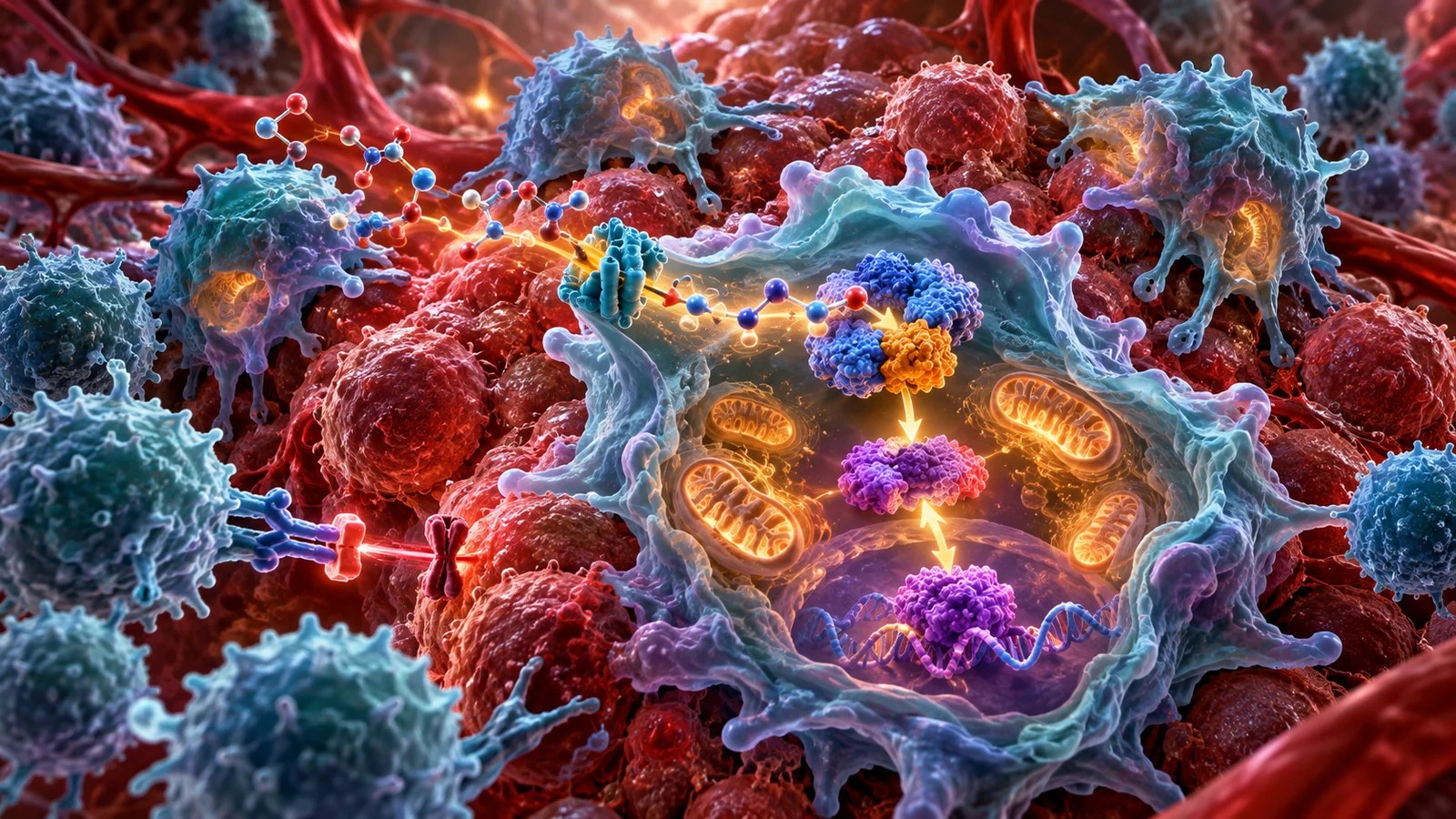
Tumor-associated macrophages (TAMs), the most abundant immune cell subset in the tumor microenvironment (TME), exhibit phenotypic plasticity and exert critical roles in tumor progression and antitumor immunity. Targeting TAM polarization has emerged as a promising strategy for cancer immunotherapy, yet the key regulators governing this process remain incompletely defined. Here, we identified α-aminobutyric acid (AABA) as a pro-tumor metabolite that drives M2-like polarization of TAMs to pr
Abstract Artificial intelligence has high potential for impact in healthcare applications, but its training and deployment are challenging due to diverse data, a complex spectrum of possible tasks and important privacy needs. High-performing foundation models that enable data-efficient fine-tuning for diverse downstream tasks can meaningfully accelerate development in this domain. We introduce MedGemma, a collection of medical vision-language foundation models based on Gemma 3. MedGemma demonstr
Artificial intelligence (AI) is moving upstream in science. Systems such as AlphaFold have already transformed protein-structure prediction, while newer agentic systems can search literatures, generate hypotheses, write and execute code, interpret results, and automate much of the path from idea to paper. Recent debates have asked how such systems may change scientific progress, surprise, and human understanding. Yet they also change something more fundamental: who—or what—participates in decidi
Ground-edged cutting tools are widely regarded as technological hallmarks of early agriculture in North China, commonly hypothesized to have been developed primarily for cereal harvesting. Yet the functional foundations of this innovation remain insufficiently tested. This study integrates use-wear and microfossil analyses of 140 stone tools from the Peiligang site, with experimental data, to reassess their roles within long-term trajectories of technological change from the Late Paleolithic to
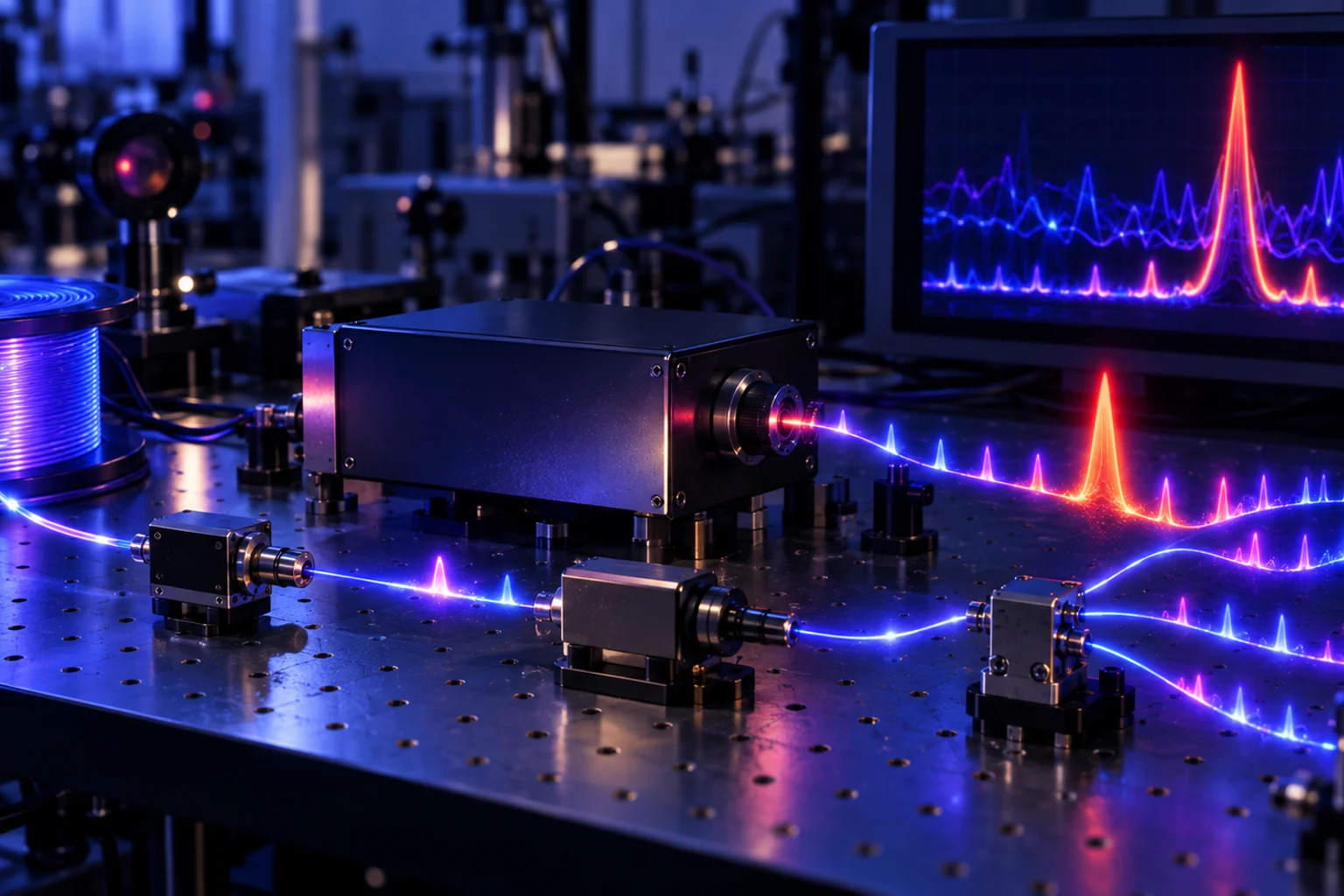
Transient chaos is a hallmark of complex dynamics in nonlinear systems. Governed by chaotic saddles, it manifests as short-lived yet rich chaotic behavior preceding an abrupt transition to a stable attractor. However, real-time capture and quantitative characterization of such inherently unpredictable and nonrepetitive dynamics remain challenging, obscuring their physical origins. Here, we experimentally demonstrate transient chaos during the self-organization of dissipative optical solitons in
Developing accurate numerical methods for strongly interacting fermions is crucial for improving our understanding of various quantum many-body phenomena, especially unconventional superconductivity. Recently, neural quantum states have emerged as a promising approach for studying correlated fermions, highlighted by the hidden fermion and backflow methods, which use neural networks to model corrections to fermionic quasiparticle orbitals. In this work, we expand these ideas to the space of Pfaff
The Friendship Paradox states that, on average, your friends have more friends than you do. We extend this to common friends-those who appear in multiple people's friend lists. We show that the more people who share a common friend, the more connected that person tends to be, and we derive an expression quantifying this progression. In a regional Facebook network, a common friend to three randomly sampled individuals has on average more friends than 99.9% of the network. In a citation network, a
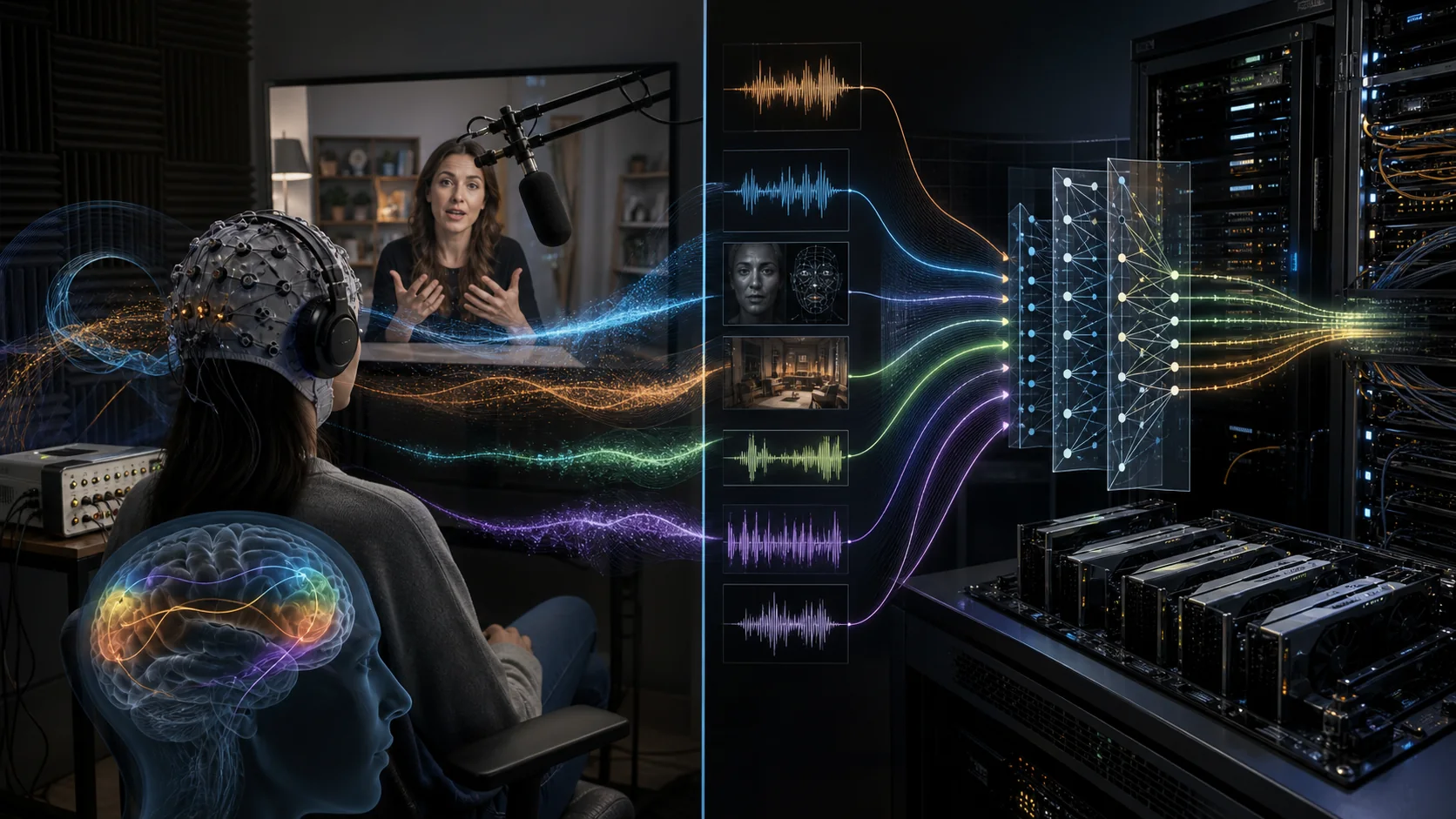
Language is a fundamental human capacity. Large language models (LLMs) have presented the first viable model of language outside of humans, yet how these models learn and use language differs significantly from humans. Here, we compare LLMs and humans predicting language with varying levels of sensory information-from disembodied written text to audiovisual videos of speakers-to demonstrate that, in both humans and LLMs, sensory context is critical for optimal performance. We asked human partici
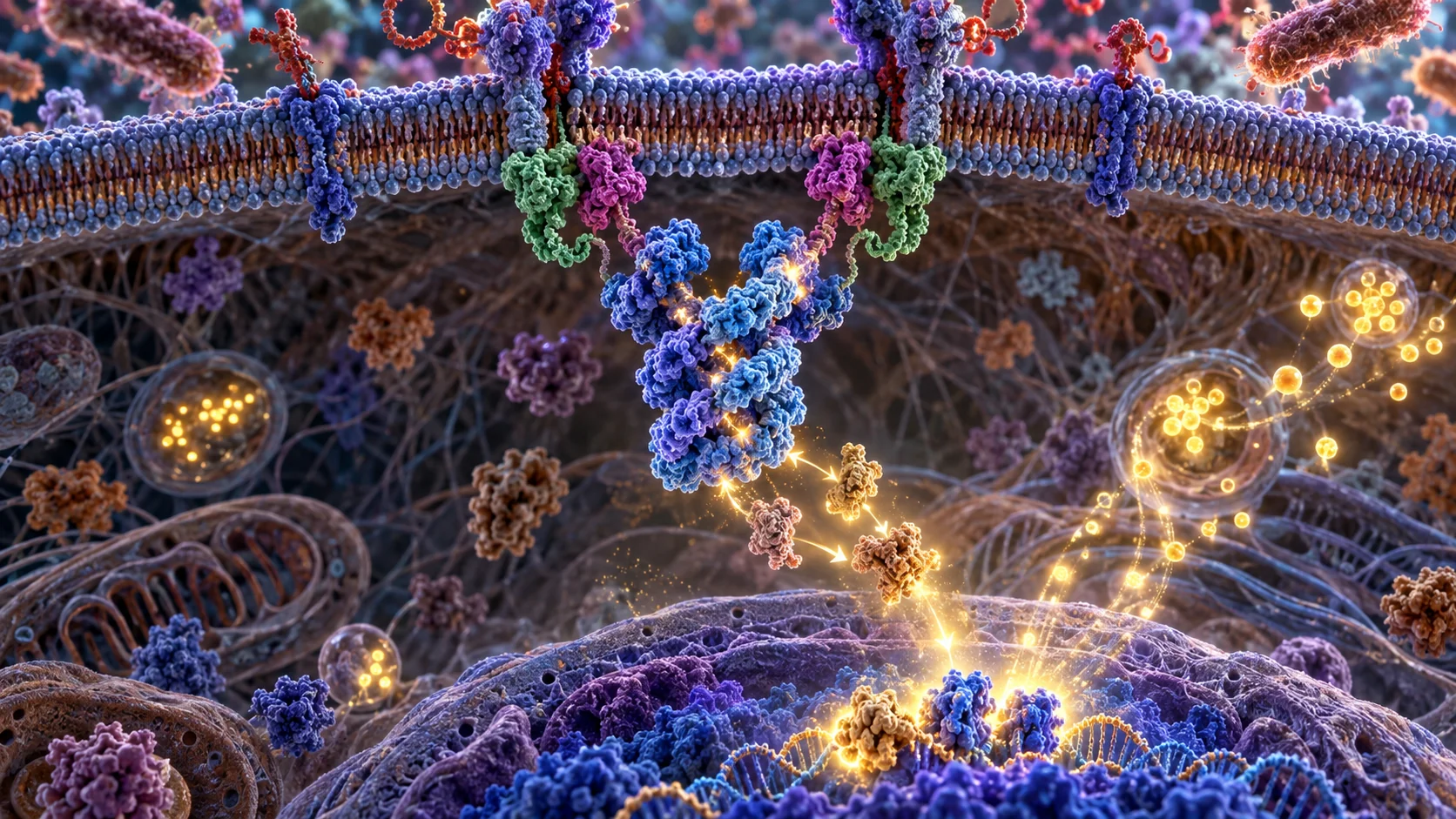
In the Toll-like receptor (TLR) signal transduction pathways, activated receptors are present for mere minutes within the initial, membrane-proximal signalling complexes called proto-myddosomes 1 . Proto-myddosomes are rapidly released from TLRs to self-assemble (that is, mature) into enzyme-rich, cytosolic supramolecular organizing centres called myddosomes 2-4 . Myddosomes induce hours-long inflammatory gene expression 5-10 . The mechanism controlling proto-myddosome release and its effect on
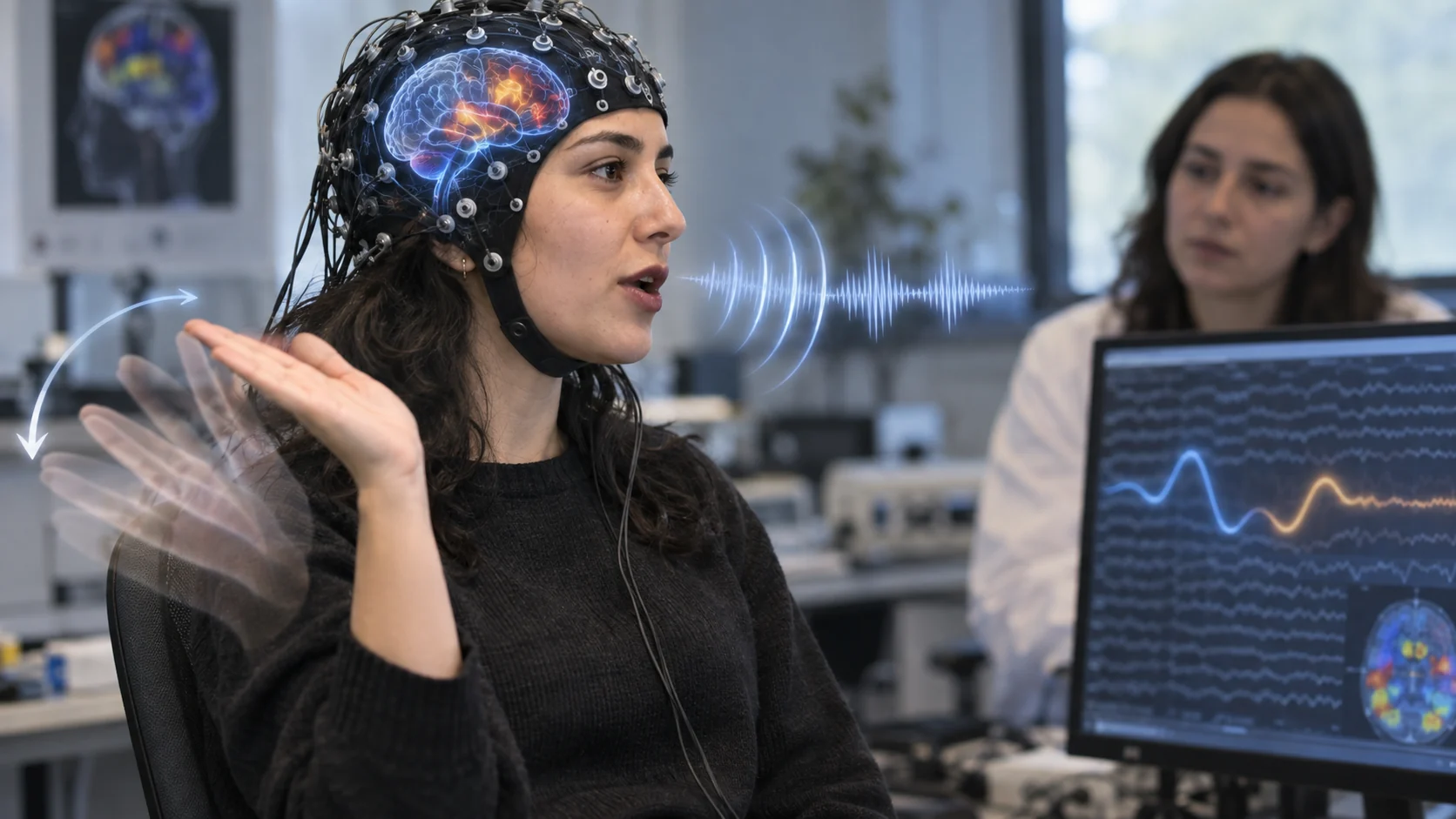
Negation is a fundamental aspect of human cognition and grammar, expressed across different modalities. Yet, little is known about multimodal processing of negation, especially grammatical negation (e.g., "I did not sleep"), and the contribution of gestures and prosodic markers to its neural processing remains unexplored. This study investigates the neurocognition of multimodal negation in Turkish, a verb-final language where standard verbal negation is expressed morphologically with a postverba
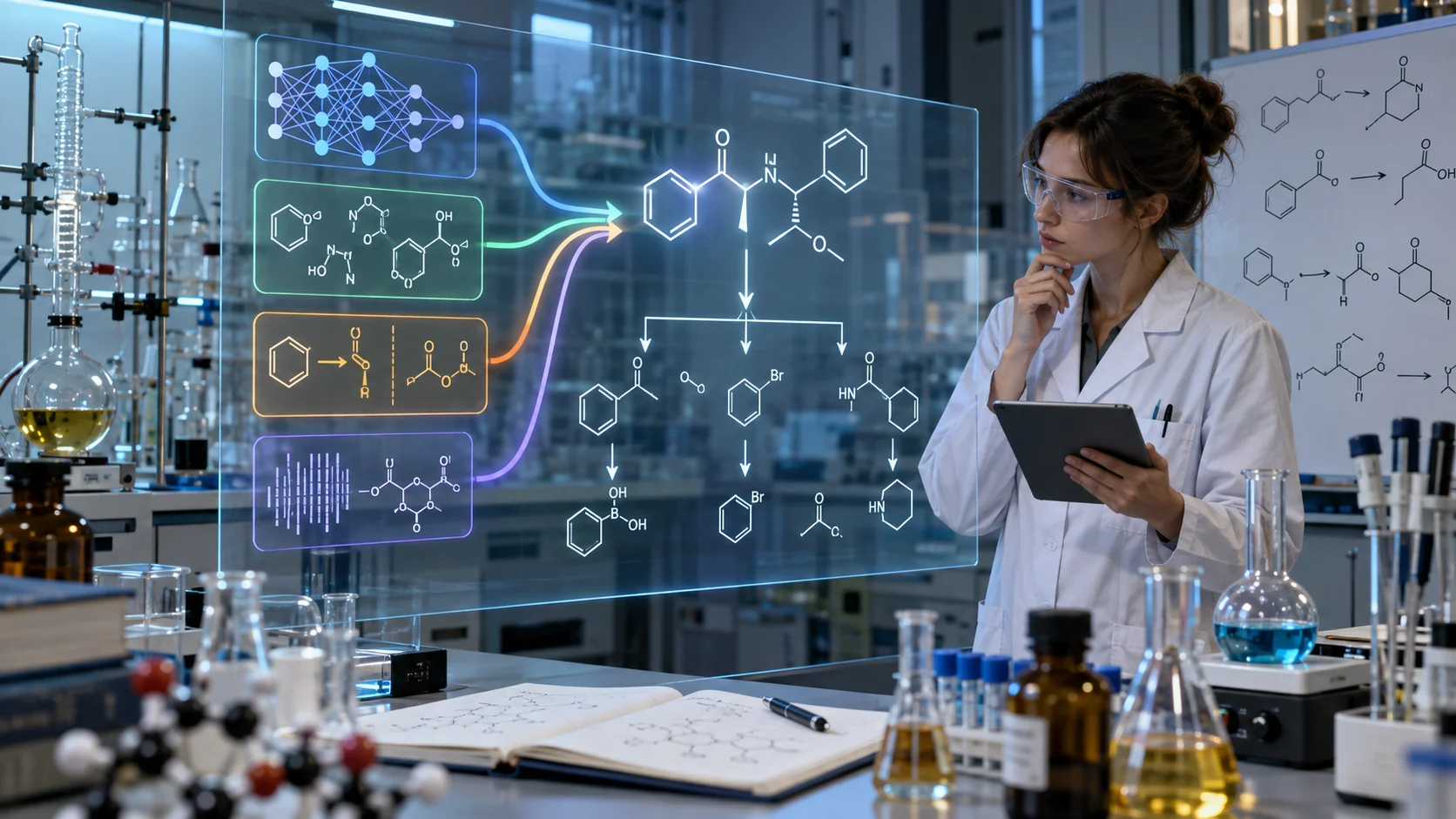
Chemical synthesis remains a critical bottleneck in the discovery and manufacture of functional small molecules 1-3 . While AI-assisted synthesis planning has proliferated in recent years, a detailed understanding of its failure modes has not been achieved, and models still struggle with predicting less frequent, yet strategically critical reactions, as well as hallucinated, incorrect predictions misaligned with chemists' expectations 4-12 . In this work, we analyze the failure modes of current
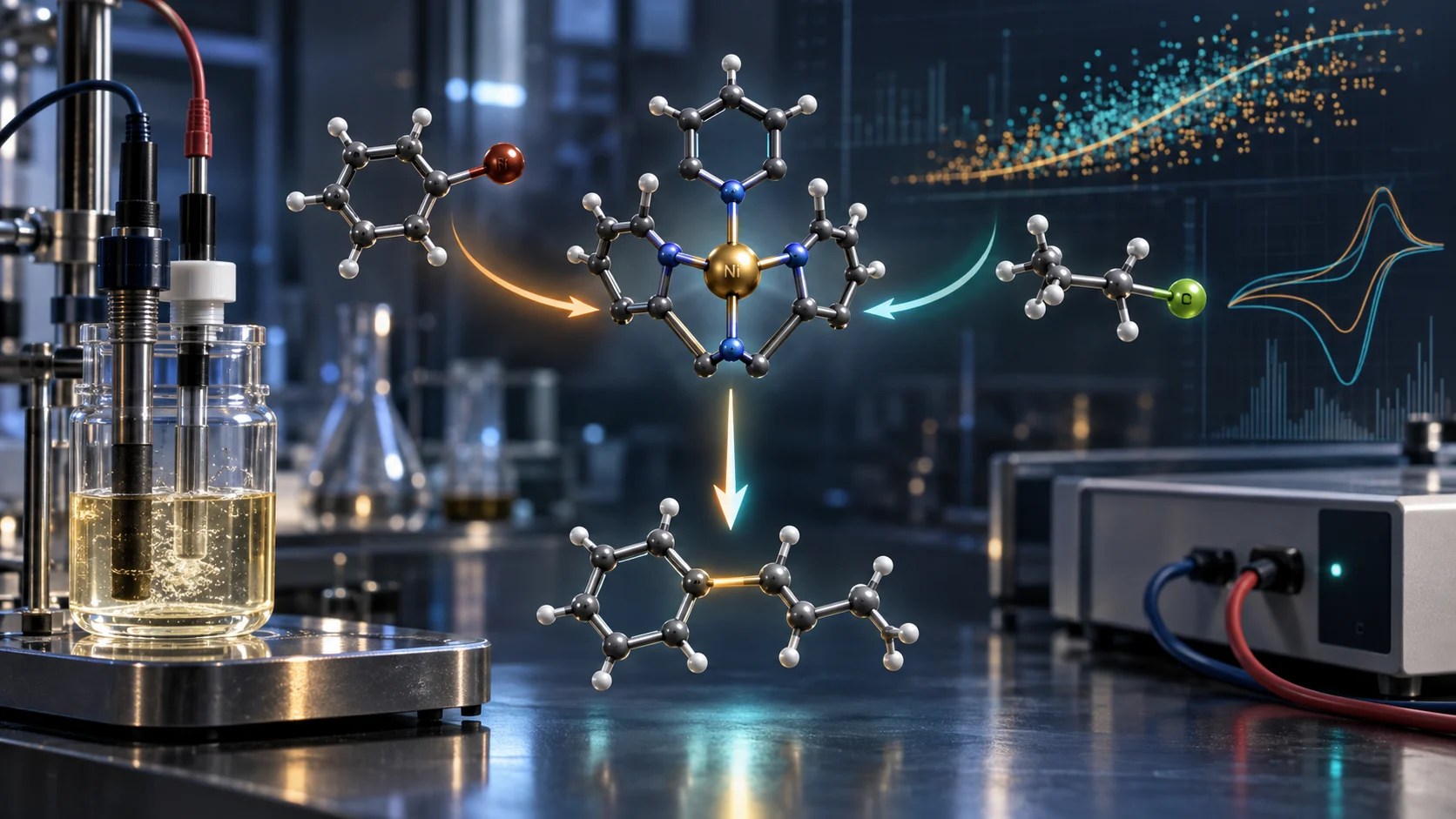
Nickel-catalyzed cross-electrophile coupling (XEC) between aryl and alkyl electrophiles has emerged as an enabling synthetic method, yet predicting the outcomes of specific electrophile pairs is difficult due to the complexity of the mechanistic pathways. It has been proposed that "rate matching" between the oxidative addition of the aryl halide and the rate of formation of the alkyl radical, in addition to the stability of the Ni(II)-Ar complex, dictates the yield of the cross-coupling product.
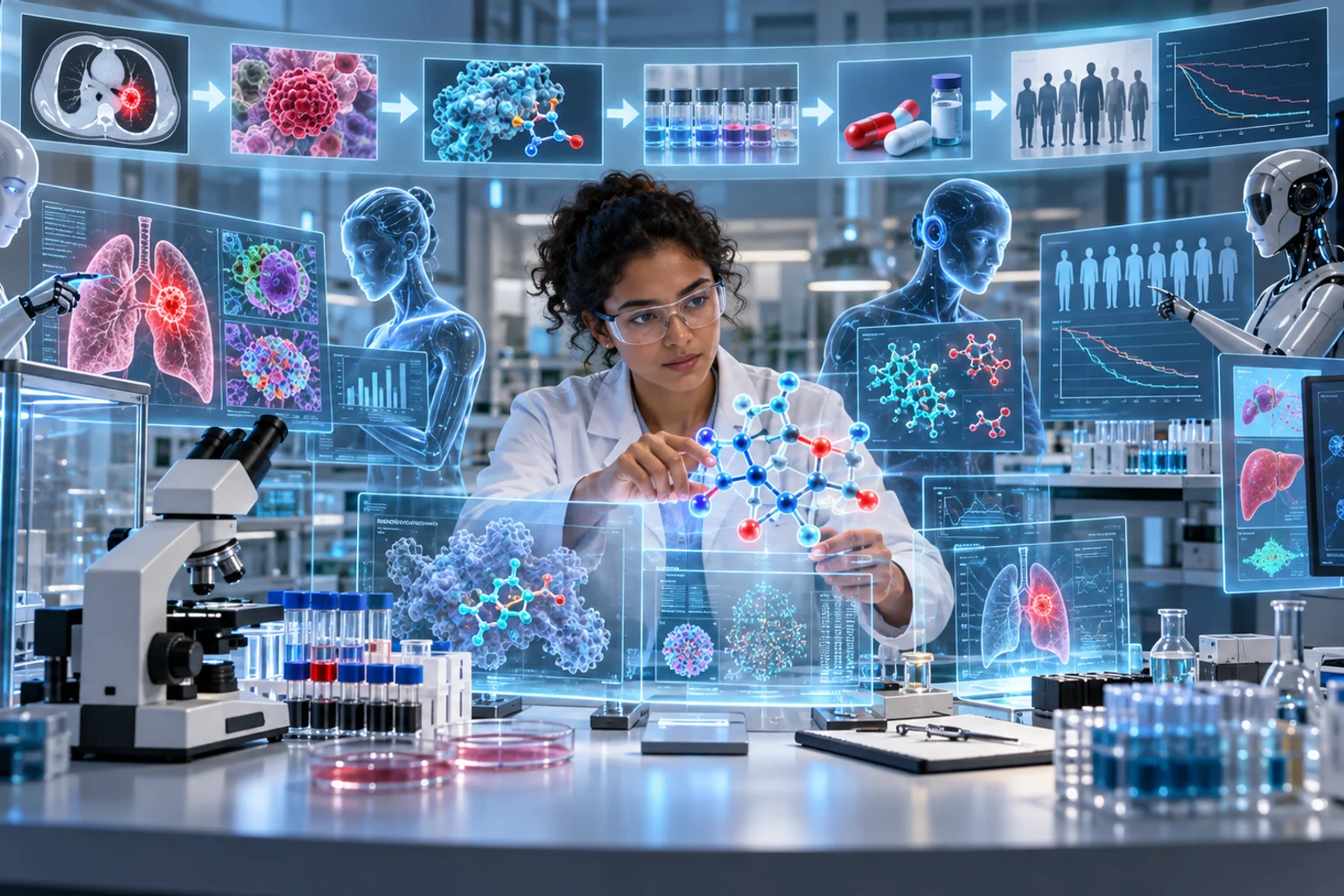
Drug development requires evidence integration across biological scales and modalities, but relevant tools are fragmented. We introduce the Virtual Biotech, an organization of artificial intelligence (AI) agents modeled on a drug-development company, with agentic divisions spanning target discovery, safety assessment, modality selection, and clinical development. We demonstrate its utility at three drug-development decision points. First, over 37,000 agents annotated outcomes from 55,984 trials
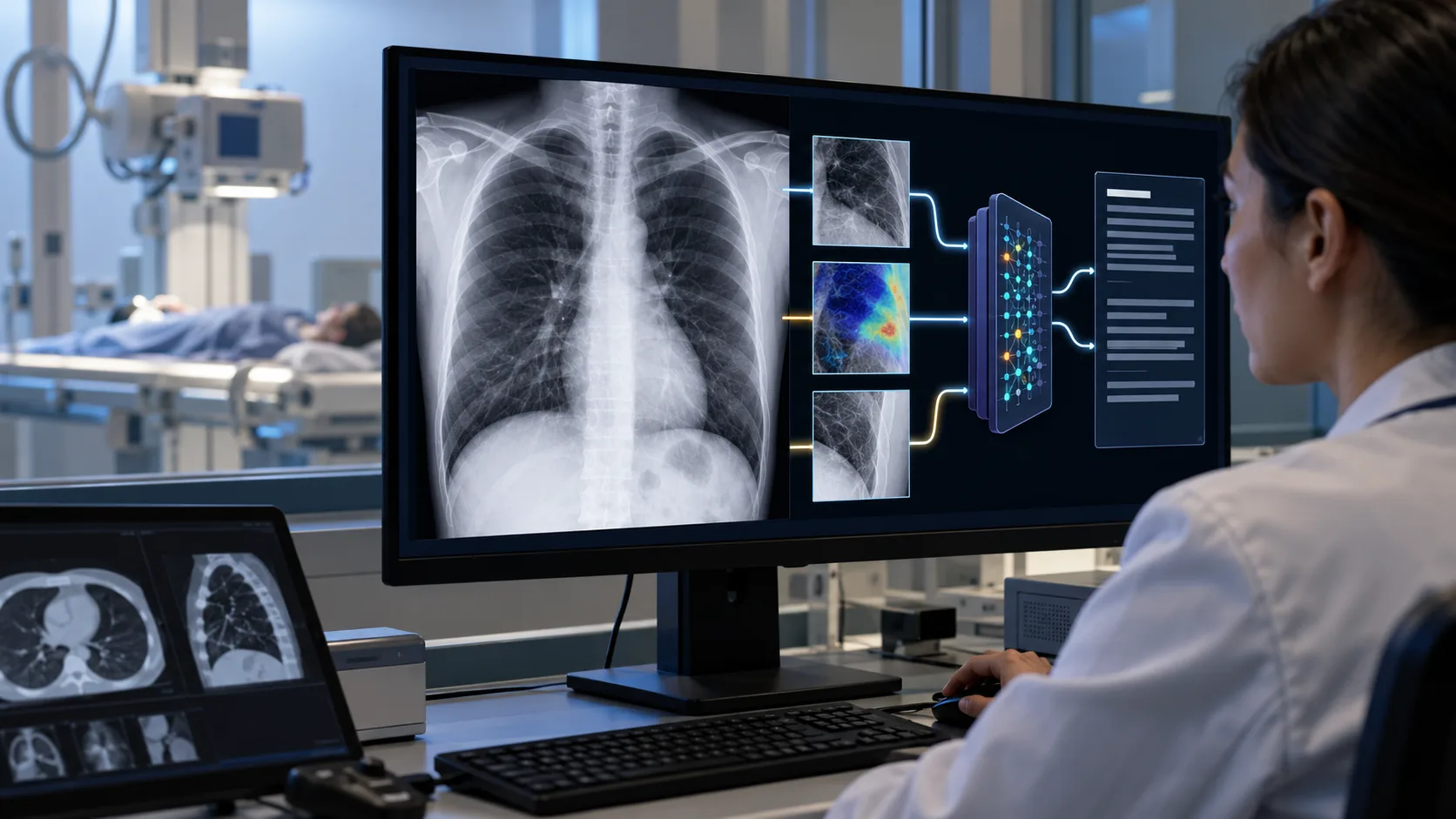
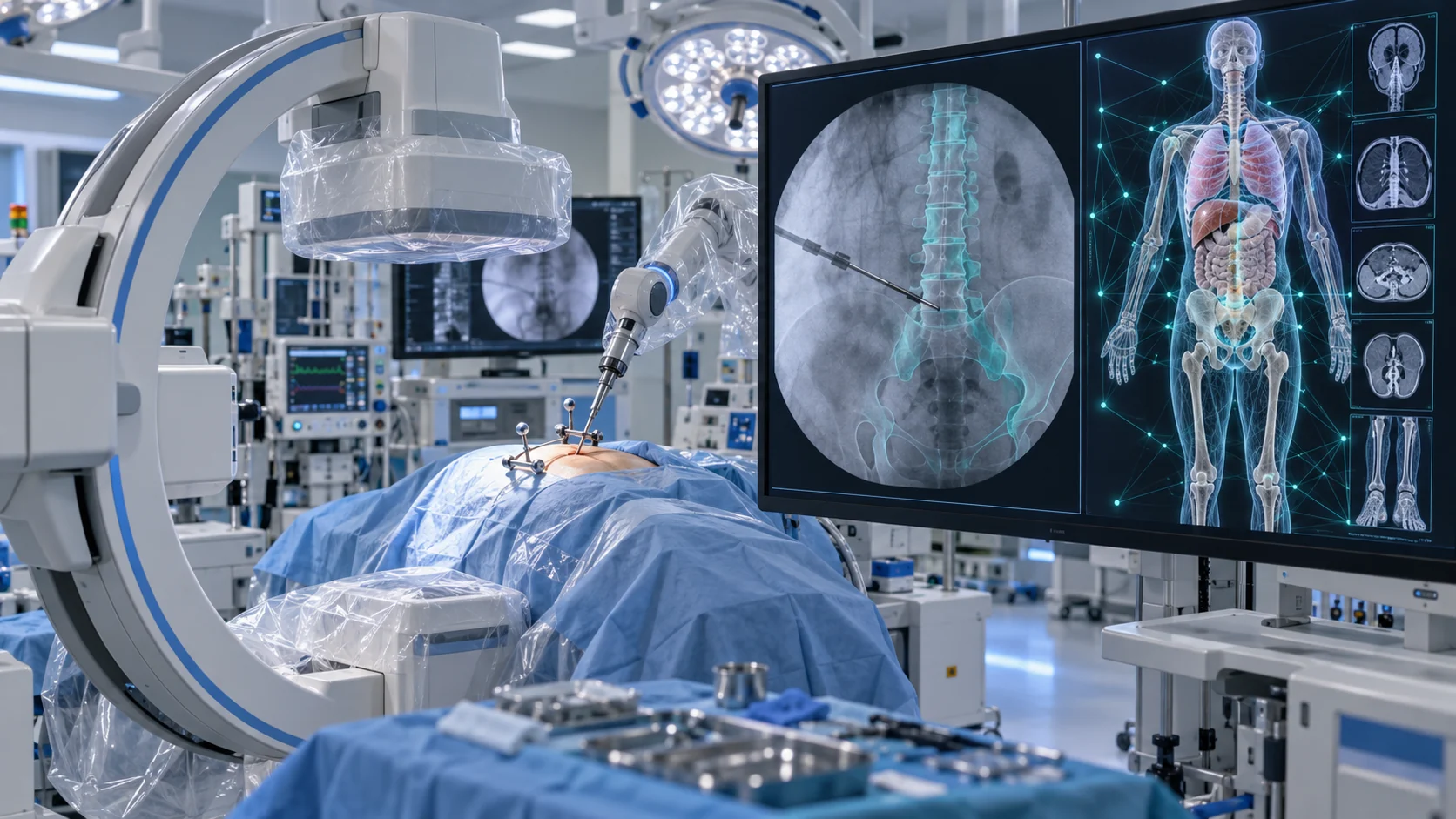
Advanced navigation techniques in image-guided interventions and surgical robotics require the rapid and precise alignment of three-dimensional (3D) preoperative volumes (such as computed tomography and magnetic resonance imaging) to two-dimensional (2D) intraoperative images (such as X-ray fluoroscopy) 1,2 . However, existing 2D/3D registration methods fail to generalize across the broad spectrum of fluoroscopy-guided procedures: intensity-based optimizers require per-individual hyperparameter
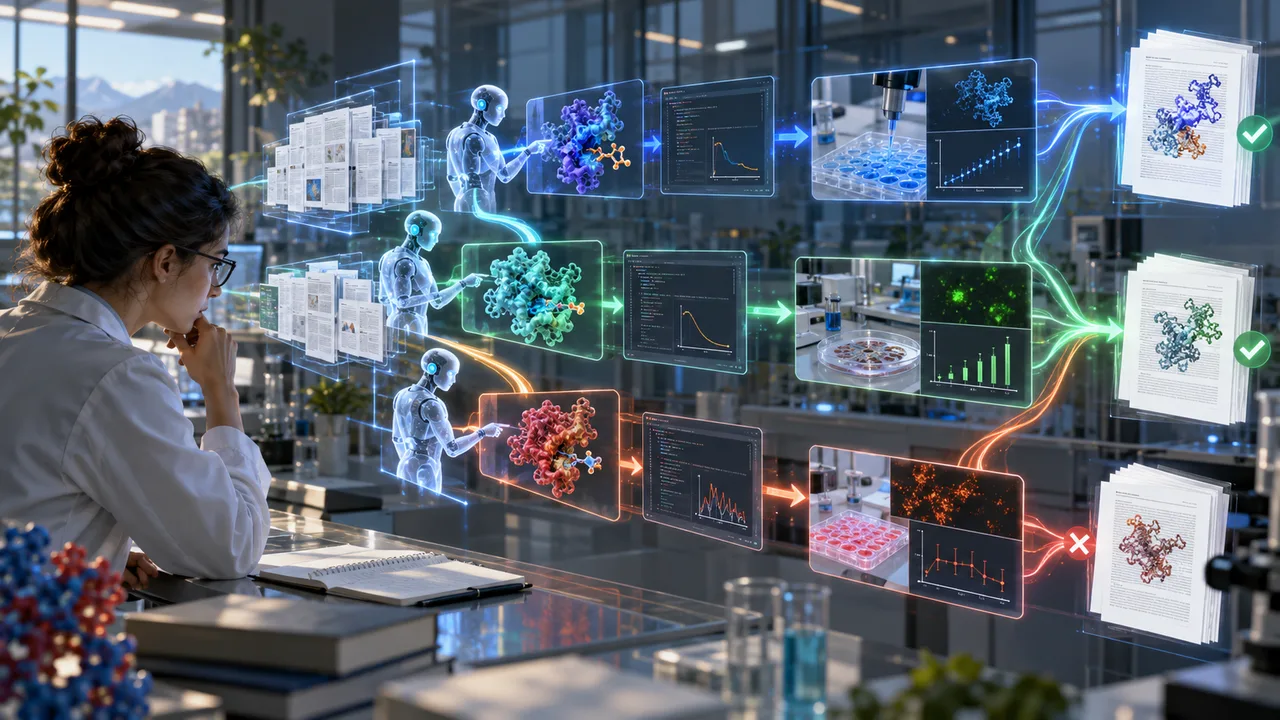
Here we introduce Paper2Agent, an automated framework that converts research papers into artificial intelligence (AI) agents. Paper2Agent transforms research output from passive artefacts into active systems that accelerate use and discovery. Conventional research papers require readers to understand and adapt the paper's code, data and methods to their work, creating barriers to dissemination and reuse. Paper2Agent addresses this challenge by converting a paper into an AI agent that functions a
Revolutions in transplantation and targeted and immune therapies have transformed multiple myeloma from a disease with an associated survival of a few years into one for which functional cure is an emerging goal. This abundance of effective therapies has created clinical complexity. Here we provide a practical framework, anchored in trial evidence and informed by emerging biologic discoveries, for the navigation of treatment decisions across the disease spectrum. We outline how cytogenetic and g
Protein structure search has been revolutionized by deep learning methods that can rapidly search massive databases. However, current structure search tools often miss proteins related by topological rearrangements, particularly circular permutation, wherein proteins share highly similar structure but differ in the positioning of their termini. We introduce a circular permutation-invariant graph neural network (CIRPIN) that addresses this limitation through a data augmentation strategy using syn
The Hopfield neural network stores memories using all-to-all-coupled spins and recalls those memories through equilibrium dynamics. Storing too many hampers recall because frustration causes an exponential number of spurious patterns to arise as the network becomes a spin glass. Despite this, memory recall can be restored, and even enhanced, under quantum-optical nonequilibrium dynamics because spurious patterns can now serve as reliable memories. We experimentally observe associative memory wit
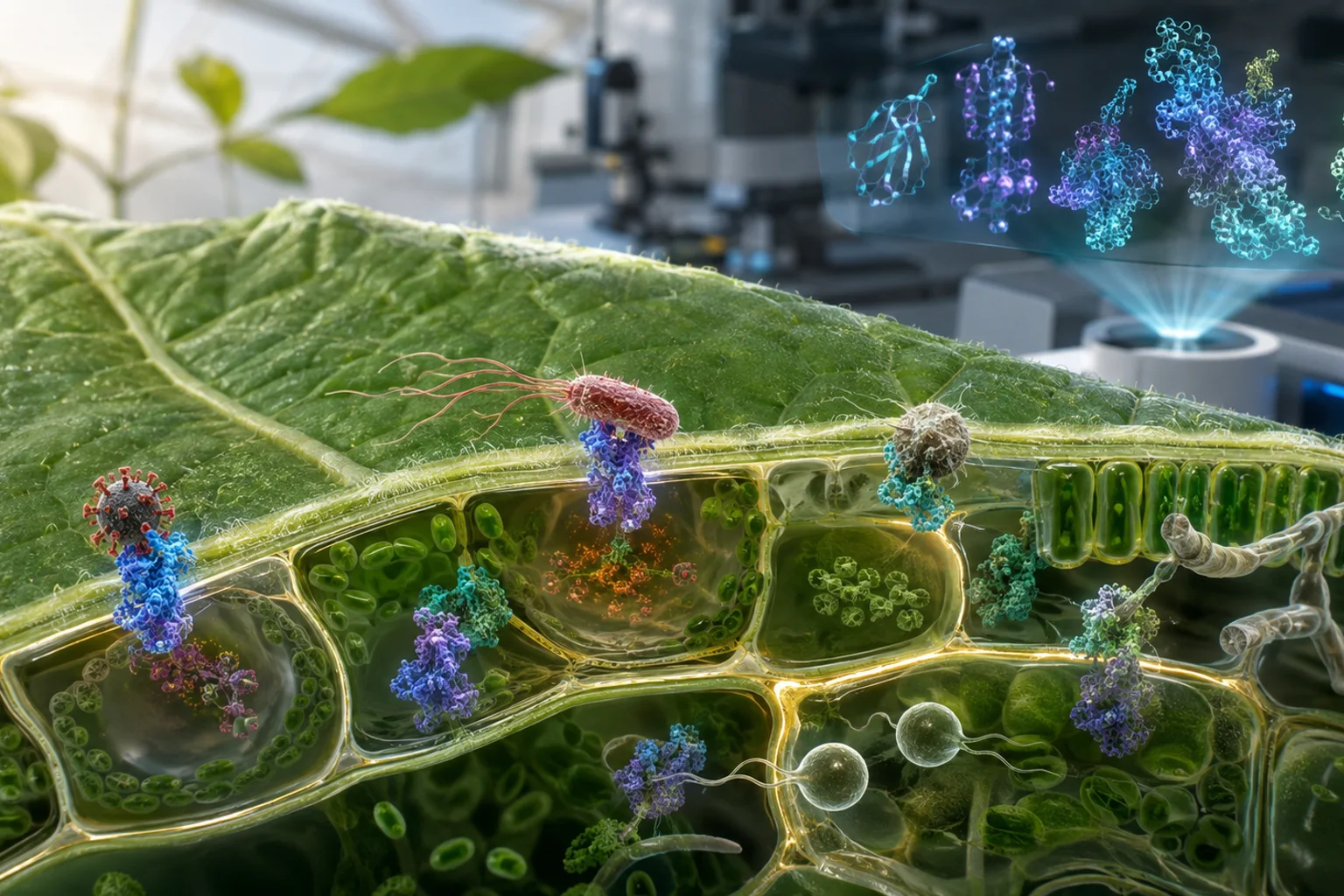
The limited diversity and recognition scope of natural plant immune receptors impede resistance breeding against rapidly evolving pathogens. Here, we report the programmable design of synthetic plant immune receptors (SPIRs). De novo–designed binding modules targeting pathogen proteins were grafted into the integrated decoy domain of a plant immune receptor. SPIRs recognized proteins derived from viral, bacterial, fungal, and oomycete pathogens. Their performance was improved by combining artifi
We introduce GenAI-Powered Inference (GPI), a statistical framework for causal inference using unstructured data, including text and images. GPI leverages open-source pretrained Generative AI (GenAI) models—such as large language models and diffusion models—not only to generate unstructured data at scale but also to extract low-dimensional representations that are guaranteed to capture their underlying structure. Applying machine learning to these representations, GPI enables estimation of causa
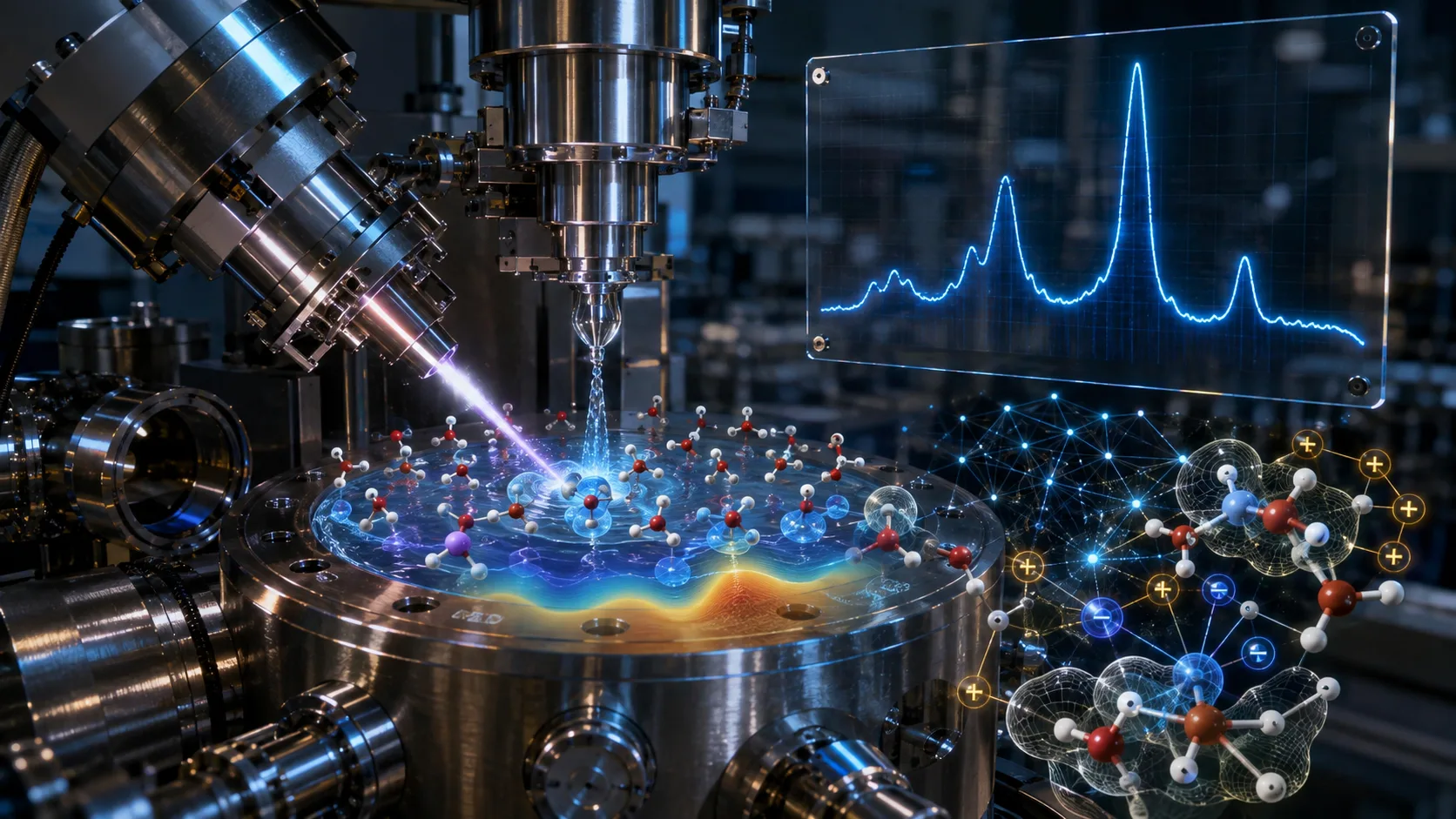
Accurate interpretation of X-ray photoelectron spectroscopy (XPS) in complex environments remains a longstanding challenge, as core-level binding energies (BEs) reflect a convolution of local chemical bonding and long-range electrostatic effects. In heterogeneous systems such as electrochemical interfaces and solvated phases, this interplay obscures chemical assignment and limits the quantitative power of XPS. Here, using representative surface, molecular, and solvated systems, we demonstrate th
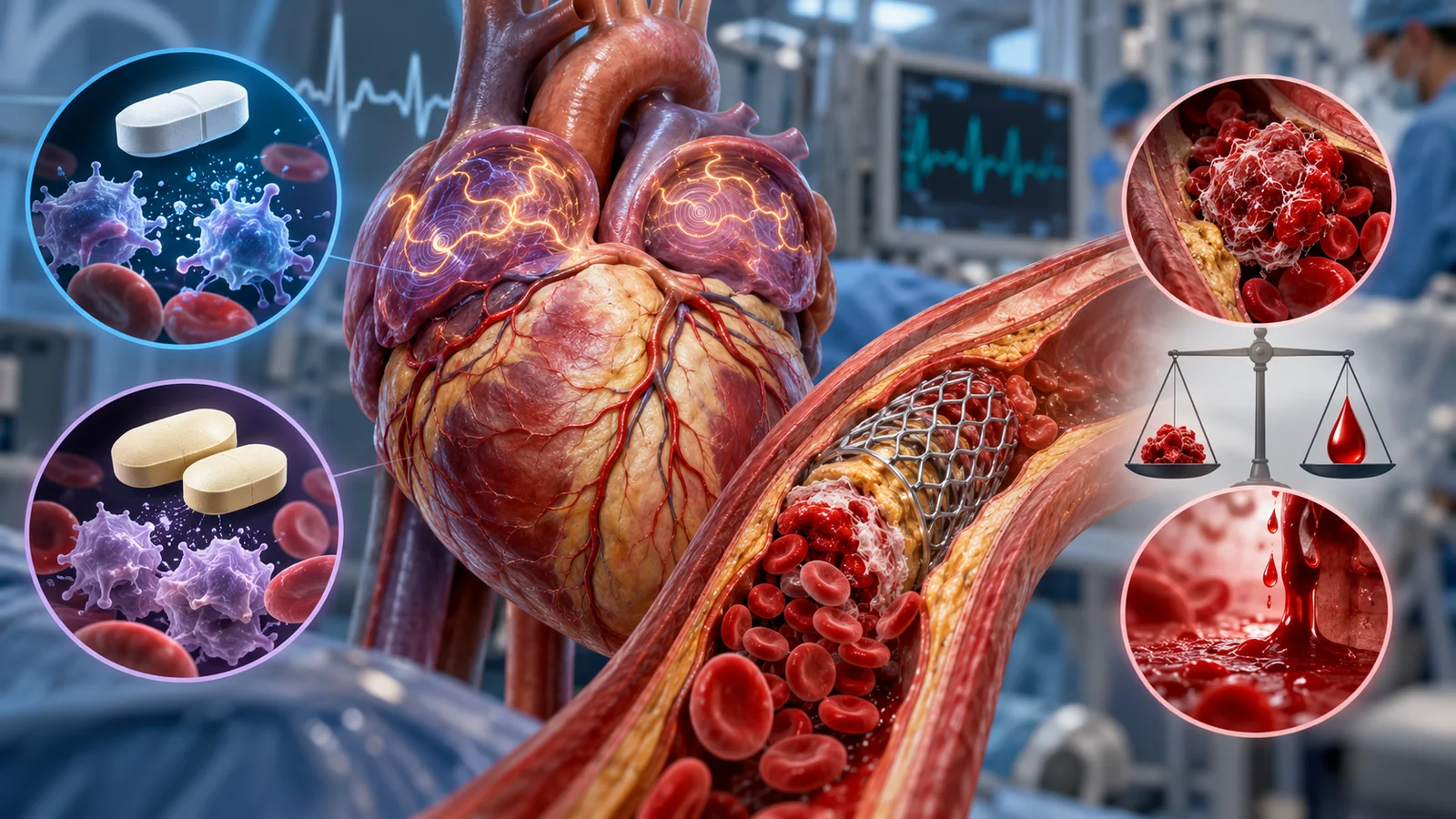
The selection of the optimal antithrombotic regimen in patients with atrial fibrillation and acute coronary syndrome remains challenging. Previous trials have demonstrated that dual antithrombotic therapy (DAT), consisting of direct oral anticoagulants (DOACs) plus a P2Y12 inhibitor, reduces bleeding compared to a triple-therapy regimen using vitamin K antagonists. However, subsequent meta-analyses have suggested an increased risk of ischemic events with DAT, particularly within the first month
Inflammatory bowel disease (IBD) is a chronic condition caused by altered cytokine signaling, maladaptive immunity, dysbiosis, and intestinal barrier dysfunction. Although current therapies aim to correct these imbalances to induce remission, most patients ultimately relapse, suggesting that key pathogenic mechanisms persist. Here, we identified aberrant epithelial cell death signaling as an underlying feature of IBD that arises in patients in remission and on advanced therapy. Mechanistically,
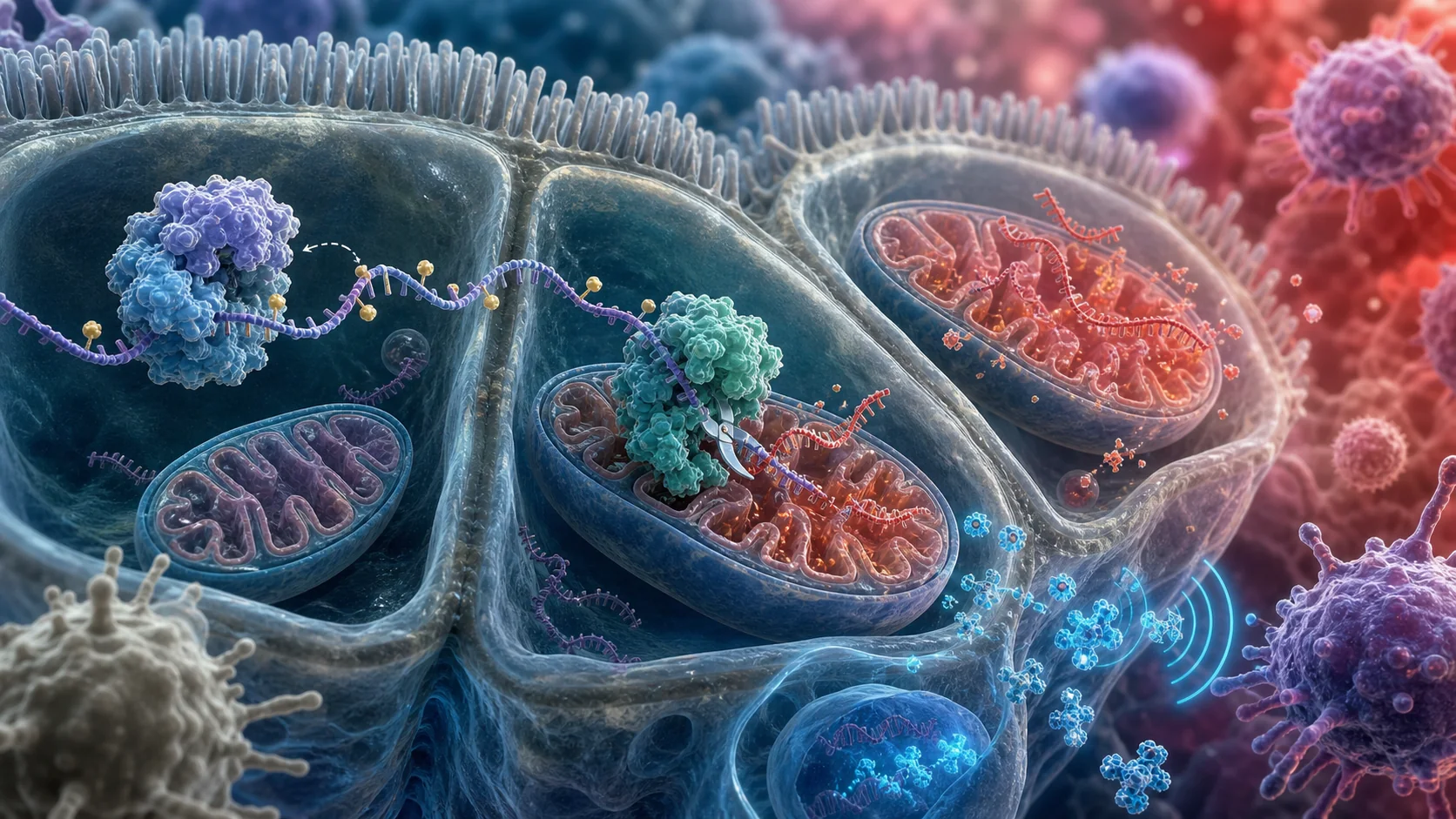
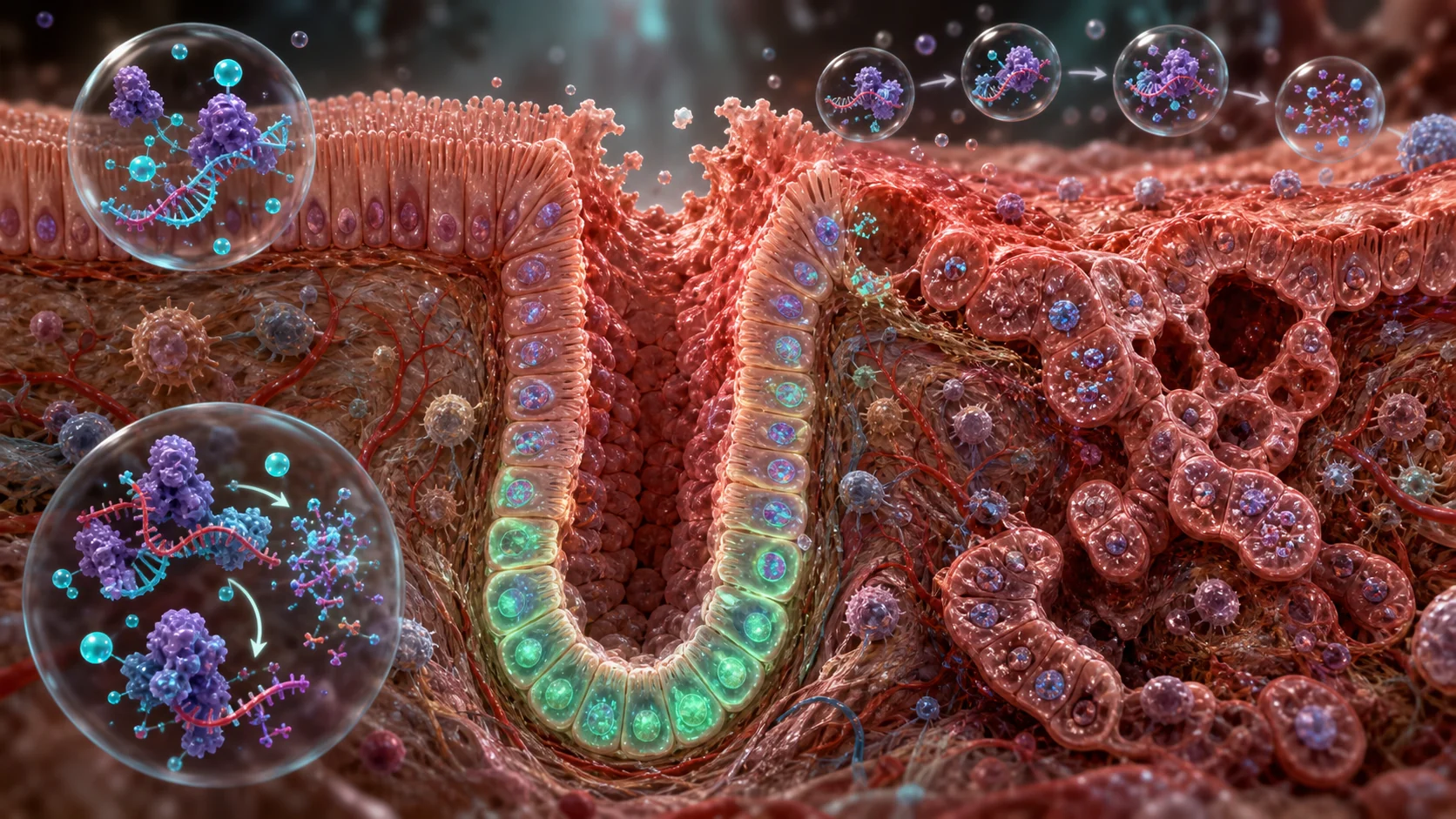
Chronic interferon (IFN) activation is a hallmark of autoimmune diseases such as systemic lupus erythematosus and Sjögren’s disease (SjD), where epithelial cells are key contributors. Although viral and retroelement triggers have been proposed as triggers, direct evidence in patient tissues is limited, and endogenous mechanisms of epithelial IFN dysregulation remain unclear. Mitochondrial double-stranded RNA (mt-dsRNA) is a potent type I IFN (IFN-I) inducer, but its regulation in epithelial cell
Biomedical research is increasingly constrained by repetitive, fragmented workflows that slow discovery. We introduce Biomni, a general-purpose biomedical artificial intelligence agent that autonomously executes diverse research tasks. To map the biomedical action space, Biomni’s action-discovery agent mines tools, databases, and protocols from thousands of publications across 25 domains, building a unified agentic environment. Its general-purpose architecture integrates large language model rea
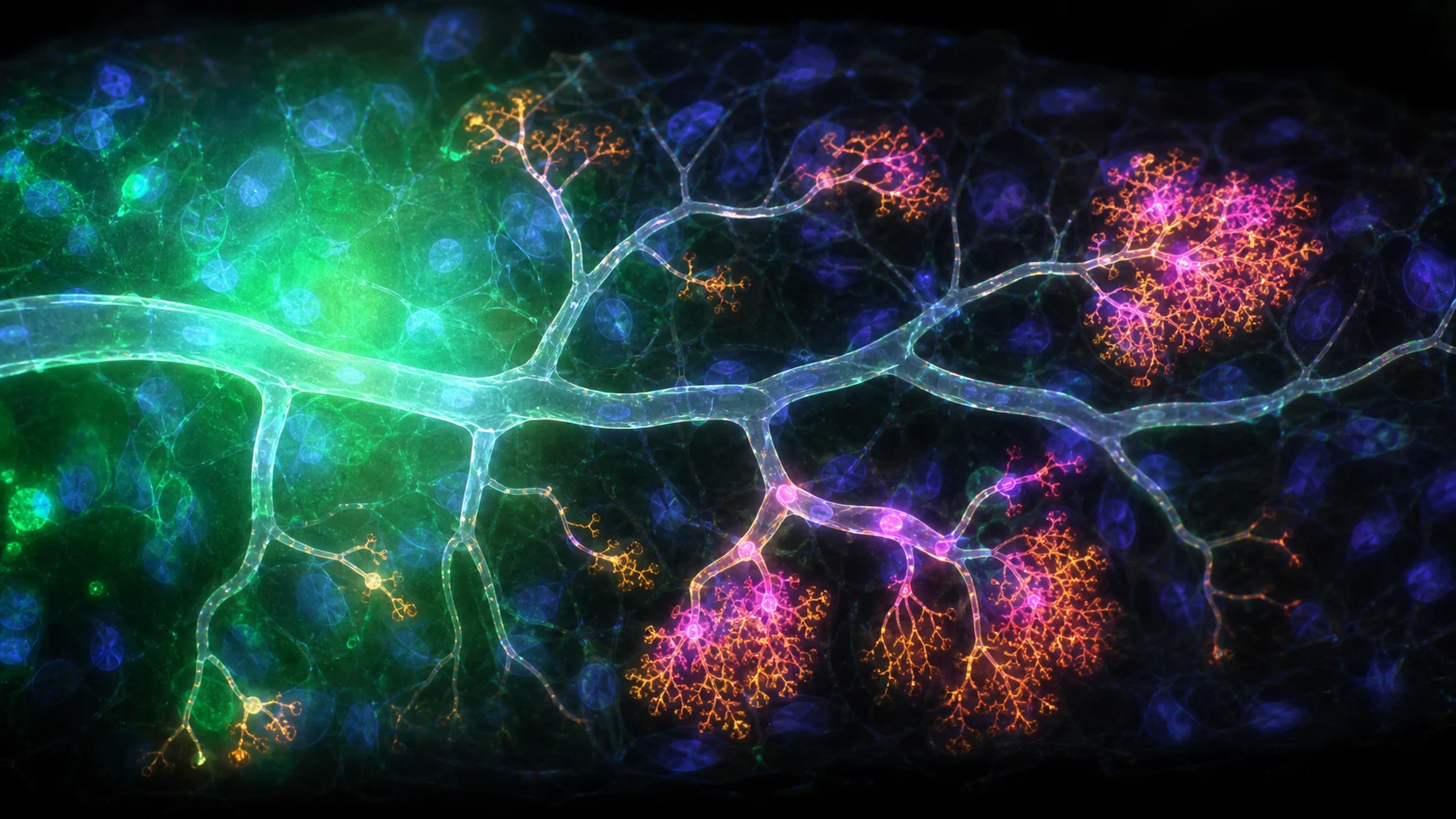
Phenotypic variability is a hallmark of human disease. It results from a combination of genetic modifiers, environment, and stochastic effects, but their contributions are hard to disentangle. Here, we establish the specification of terminal cells in the Drosophila tracheal system as a model for phenotypic variability and phenotypic emergence in Mendelian disorders. By perturbing Fibroblast growth factor (FGF) ligand dosage, which leads to a loss of terminal cells, we find that both microenviron
While much attention has been paid to racial disparities in basic academic attainment, relatively less attention is given to racial disparities in excellence-participation in and performance within opportunities to develop and demonstrate high achievement. The present research investigates how racial attitude bias relates to disparities in participation in the Advanced Placement (AP) program, a paradigmatic opportunity for excellence in the US education system. We examined whether regional racia
Earth's organic chemical evolution (OCE) from abiotic to prebiotic to biotic provides critical insights that may have implications for how we interpret observations made by life-detection planetary missions. To search for life on other worlds, astrobiologists seek biosignatures: features that indicate the presence of extant or extinct life as we know it. However, because the age of putative extraterrestrial biospheres is unknown, biosignatures present at or shortly after life's emergence may hav
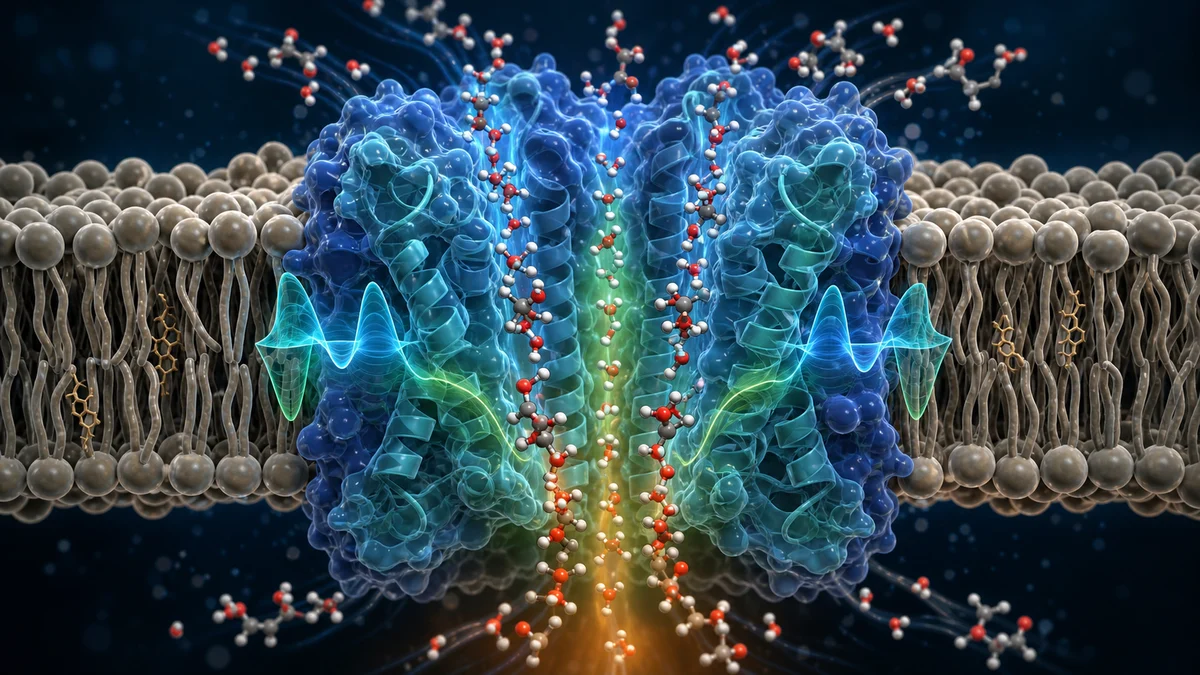
Human aquaporins are integral membrane proteins that facilitate transmembrane transport of small molecules. Among the 13 members of this family, pH-regulated human aquaporin-10 (hAQP10) plays a critical role in glycerol metabolism and lipid homeostasis. A molecular-level understanding of water and glycerol transport through hAQP10 nanopores is essential for enabling rational therapeutic interventions. We present an all-atom molecular dynamics (MD) simulation study characterizing the nanoscale st
Aging is the primary risk factor for chronic disease and is characterized by profound structural and architectural remodeling of human tissues. Here, we present a comprehensive assessment of these changes using 25,712 whole-slide histopathological images from 40 tissue types across 983 individuals in the Genotype-Tissue Expression cohort. By leveraging deep learning, we quantified nuanced morphological alterations to develop 'tissue clocks', predictors of biological age that reflect tissue struc
Large-scale CRISPR screening in human T cells holds significant promise for identifying genetic modifications that enhance cellular immunotherapy. Yet, many regulators of T cell performance in solid tumours are not revealed in vitro 1,2 . In vivo screening in tumour-bearing mice is more physiological but has been limited by low intratumoural T cell recovery. Here we developed an in vivo model that efficiently recovers human T cells from solid tumours, permitting genome-wide CRISPR screens with f
The hippocampus forms memories of our experiences in populations of coactive pyramidal neurons (PNs) 1-3 . Fast-spiking parvalbumin-expressing inhibitory neurons (PV INs) in the dentate gyrus-CA3/CA2 circuit of the hippocampus precisely control PN activity through mossy fibre-dependent feedforward inhibition 4-11 . PV INs coordinate experience-dependent changes in their intrinsic excitability, synaptic connectivity, physiology and plasticity properties 9,12-15 -referred to here as experienc
Millions of users turn to consumer artificial intelligence chatbots to discuss emotional, behavioral and mental-health concerns, creating an urgent need for rigorous and scalable safety evaluations. Here we introduce simulated (SIM) vulnerability-amplifying interaction loops (VAILs) (SIM-VAIL), a clinically validated framework for auditing chatbot behavior in mental-health contexts. SIM-VAIL simulates users with specific psychiatric vulnerabilities and conversational intents, engages them in mul
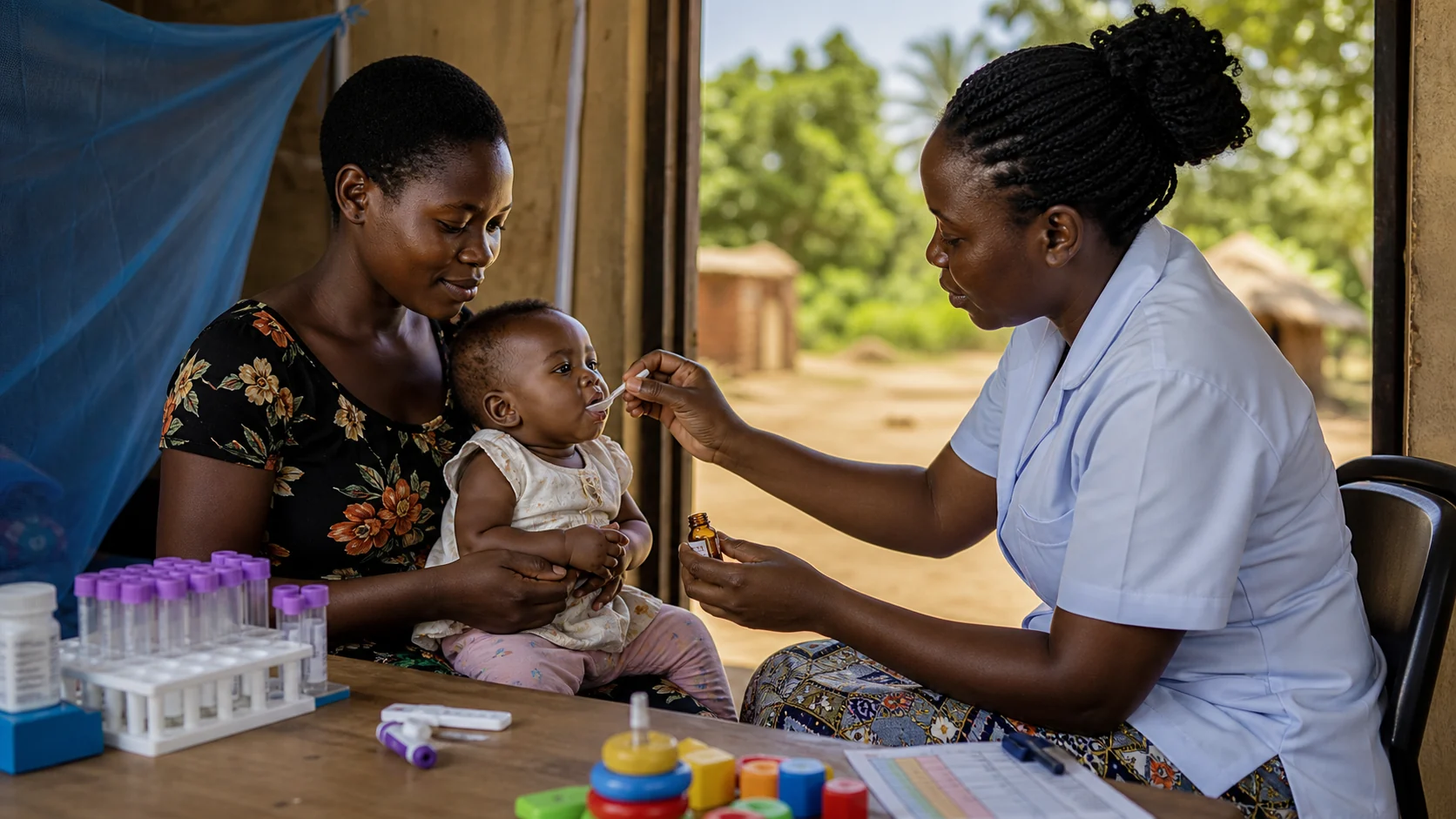
The World Health Organization recommends universal preventive iron interventions for young children in anemia-prevalent areas to alleviate the effects of anemia on child neurodevelopment and other outcomes. However, the functional benefits have not been confirmed in randomized clinical trials and there are concerns that iron interventions may increase infection risk. To determine whether universal iron interventions administered with malaria chemoprevention improve child functional outcomes and
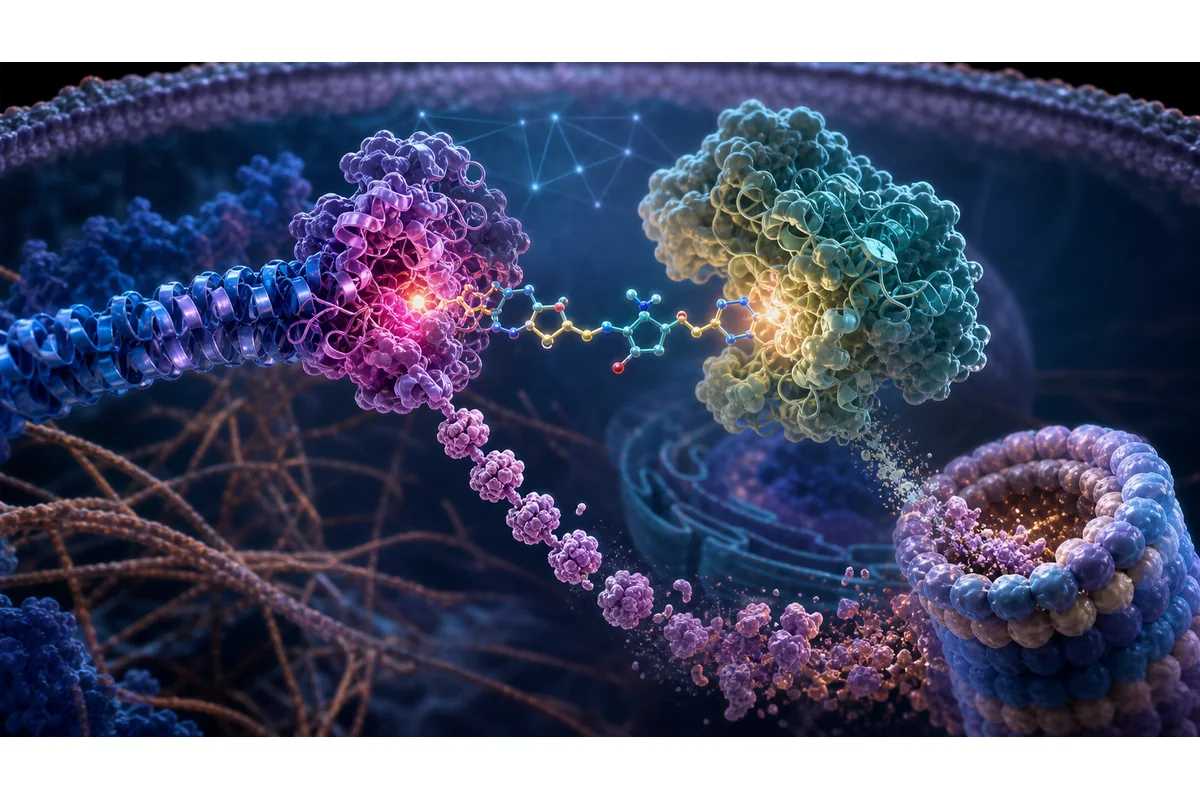
The discovery of CAP-Gly domain-containing linker protein 1(CLIP1)–Leukocyte tyrosine kinase (LTK) as an oncogenic fusion reveals a unique dependency not only on LTK kinase activity but also on CLIP1-mediated multimerization, a noncatalytic function that drives oncogenic signaling. While this fusion is currently targeted with anaplastic lymphoma kinase inhibitors, their exclusive focus on kinase inhibition leaves the scaffolding function intact, necessitating a complete protein clearance strateg
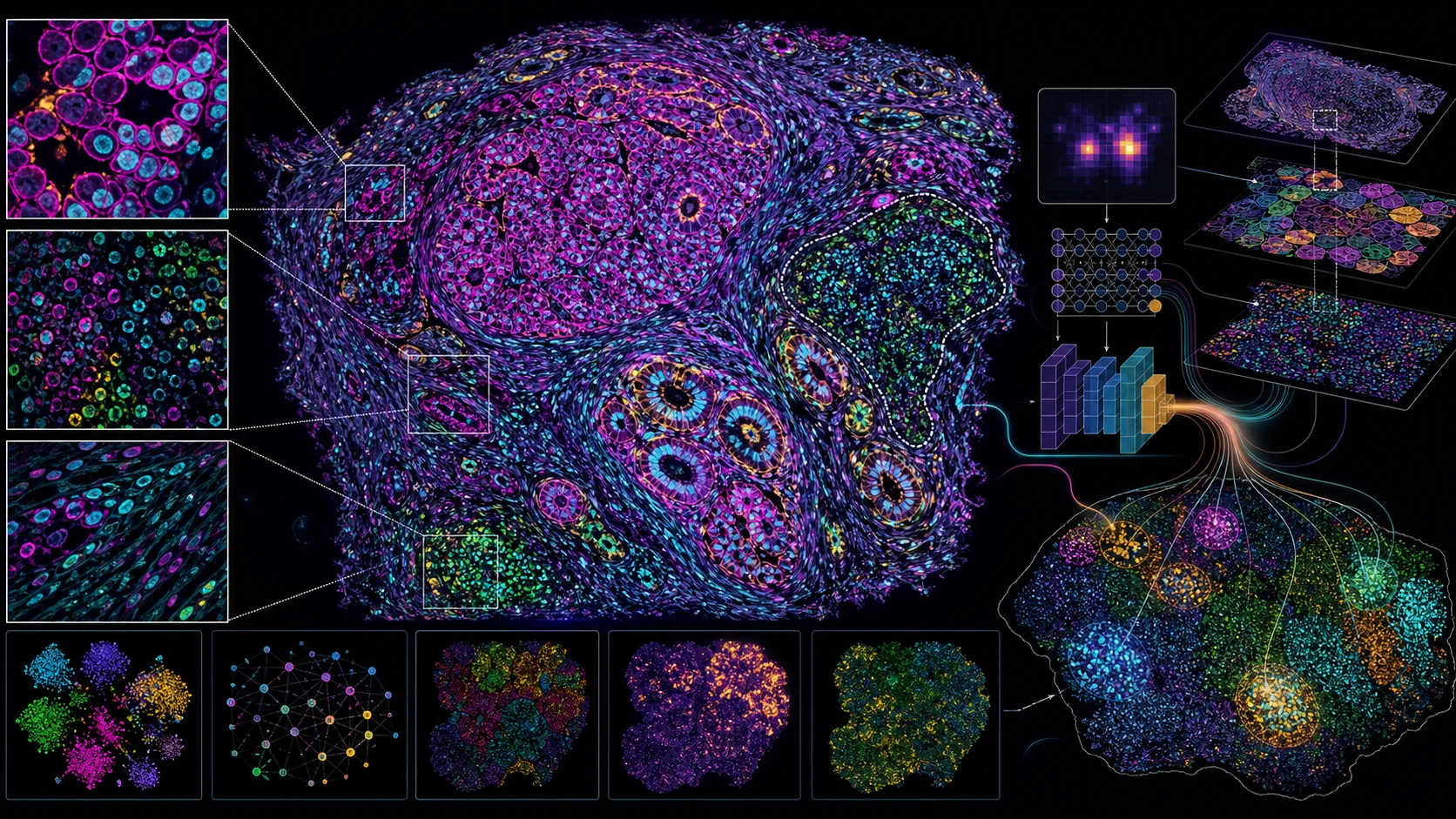
Spatial proteomics technologies have transformed our understanding of complex tissue architecture in cancer but present unique challenges for computational analysis 1 . Each study uses a different marker panel and protocol, and most methods are tailored to single cohorts, which limits knowledge transfer and robust biomarker discovery. Here we present Virtual Tissues (VirTues), a general-purpose foundation model for spatial proteomics that learns marker-aware, multi-scale representations of prote
Phenotypic plasticity is a hallmark of cancer 1 ; however the molecular switches required for cell-fate reprogramming are poorly understood. During intestinal wound-healing and colorectal cancer (CRC) metastasis, differentiated cells can dynamically dedifferentiate into an intestinal stem cell (ISC) state to drive epithelial regeneration and metastatic outgrowth 2-10 . Here we show that the RNA-binding protein ZFP36L2, which is mutated in 5-10% of CRC 11-15 , is a pivotal stress-responsive orche
Nightmares are a hallmark of post-traumatic stress disorder (PTSD), yet pharmacological treatments remain limited. Here we conducted a multicenter, double-blind, randomized, placebo-controlled trial to evaluate the efficacy and safety of dronabinol (BX-1; Δ9-tetrahydrocannabinol (THC)) for PTSD-related nightmares. Adults with PTSD and recurrent nightmares were randomly assigned to receive dronabinol (2.5-15 mg) or placebo, once daily before bedtime, for 10 weeks. The primary endpoin
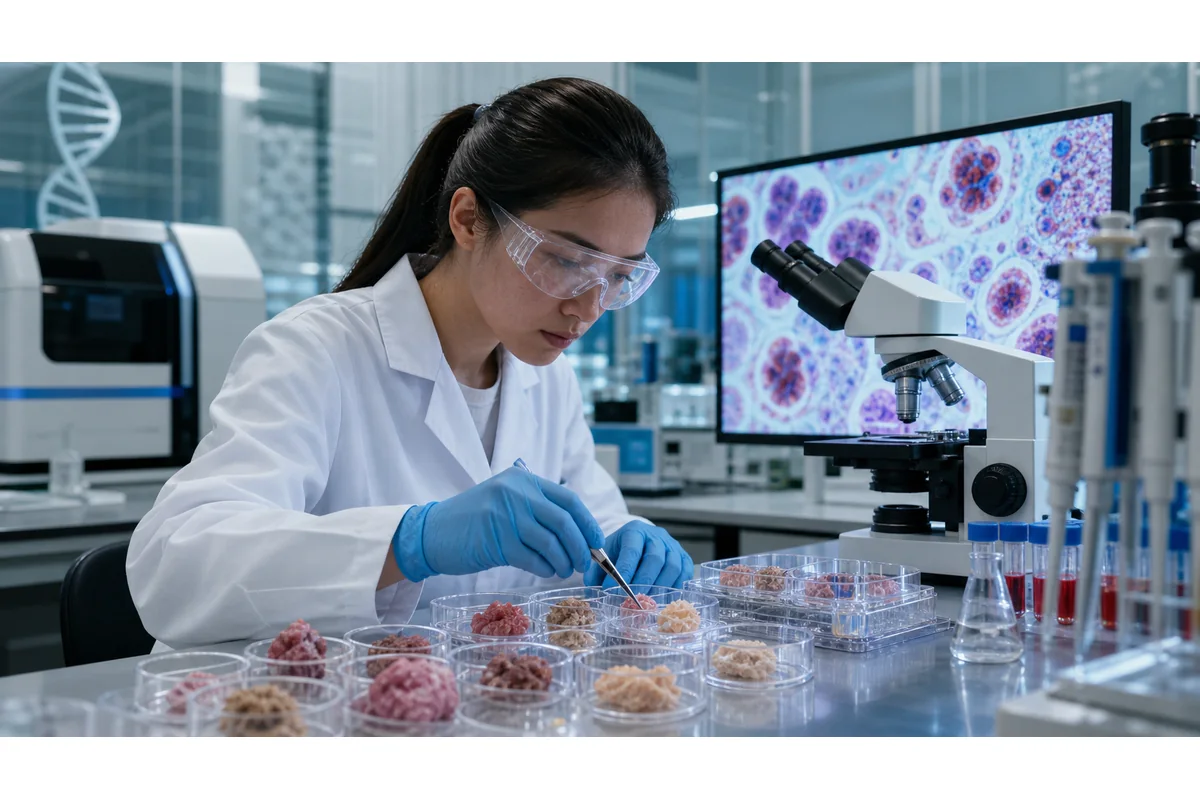
Abstract The development of new therapeutics and the validation of pathogenetic cancer mechanisms require representative laboratory models 1,2 . However, existing collections represent only a fraction of the diversity observed in human cancer 2–4 . Recent technologies have enabled efficient in vitro model derivation (for example, tumour organoids) 5 . However, whether these maintain essential properties of patient tumours during long-term expansion has not been systematically investigated. Here