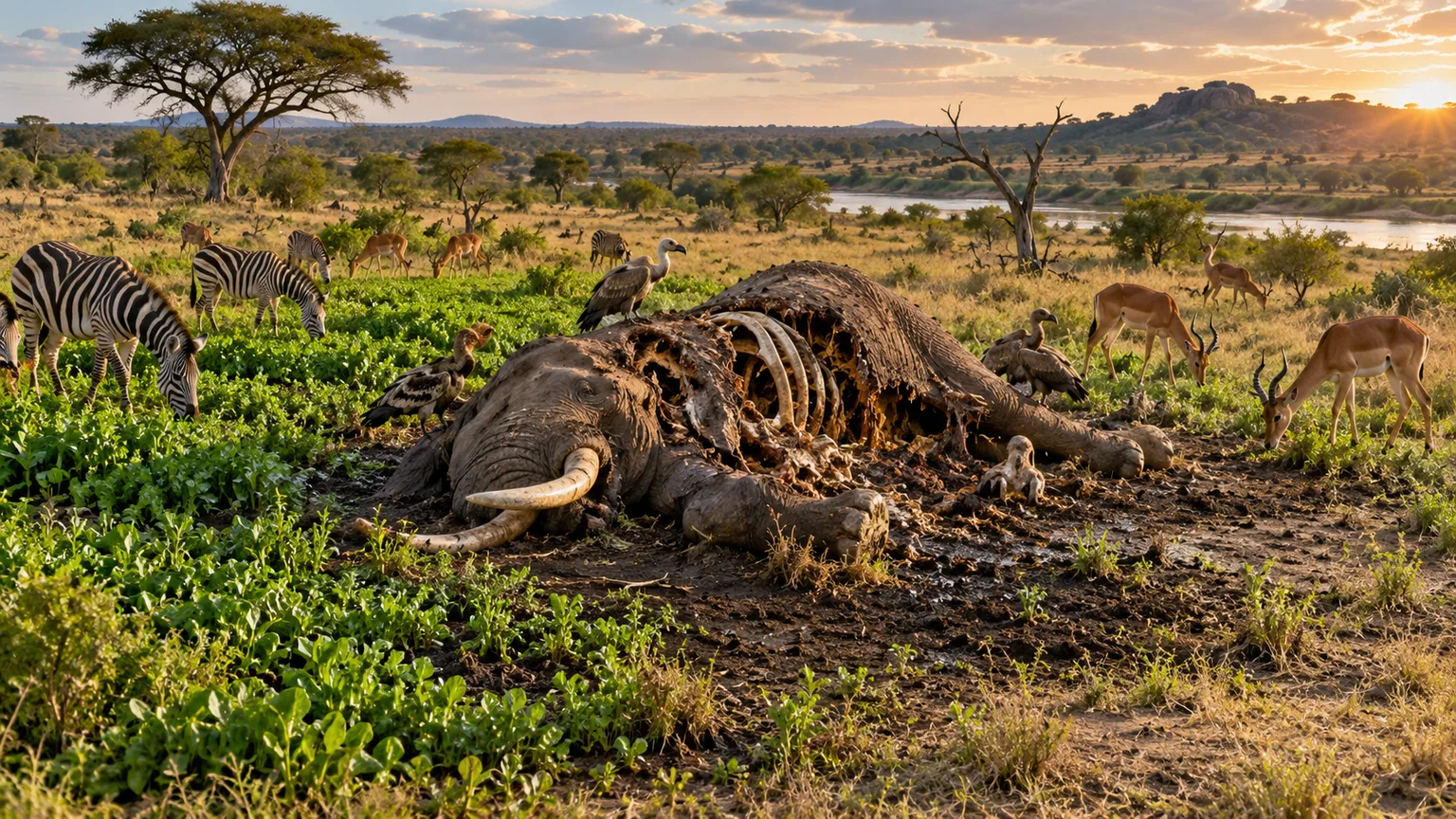
Terrestrial megafauna (animals >1,000 kg) have substantial impacts on ecosystems while alive; yet, we know little about the impacts of these ecosystem engineers after they die. Like whale carcasses in the ocean, terrestrial megacarcasses may leave ecological legacies via the nutrient pulses they create on the landscape. Here, we investigated the impact of elephant megacarcasses on savanna ecosystems in Kruger National Park, South Africa. To determine how elephant carcasses affect below- and a
In most vertebrates, social play among peers is considered essential for behavioral development. Yet in solitary species bearing single offspring, opportunities for social play are inherently scarce. Whether mothers of such species actively facilitate play opportunities for their offspring, and at what cost, remains unknown. We used 15 y of behavioral and movement data (∼32,600 observation hours) from 31 wild Bornean orangutan ( Pongo pygmaeus wurmbii ) mother-offspring pairs to test whet
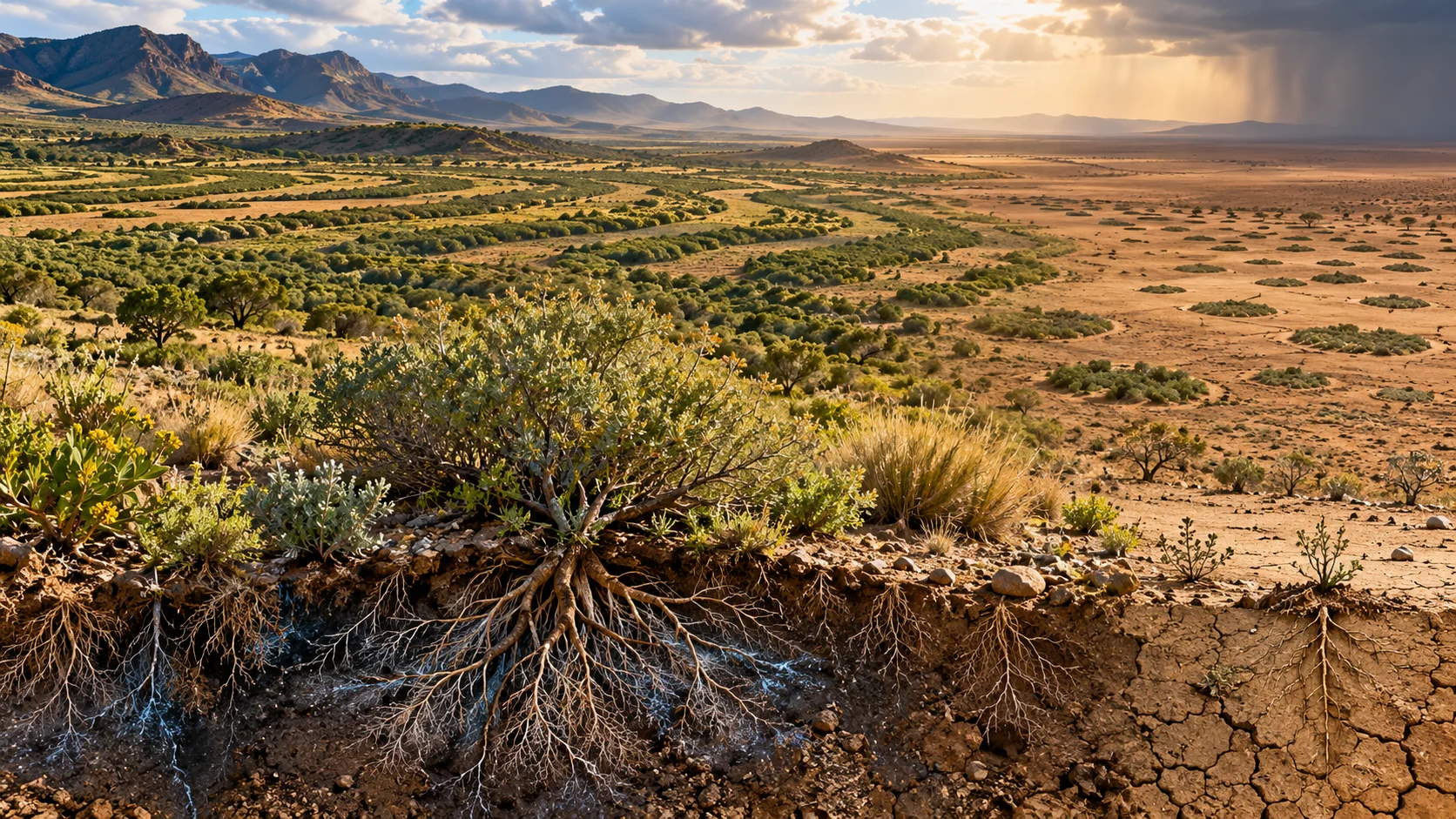
Drylands are globally widespread and ecologically important but vulnerable to climate change. Many exhibit spatially self-organized vegetation patterns that enhance resilience by enabling vegetation to reorganize their patterns under drying, thereby optimizing water use and maintaining productivity. Plants can also undergo evolution in response to environmental change. Although both spatial self-organization and rapid evolution are fundamental mechanisms of resilience, their interaction remains
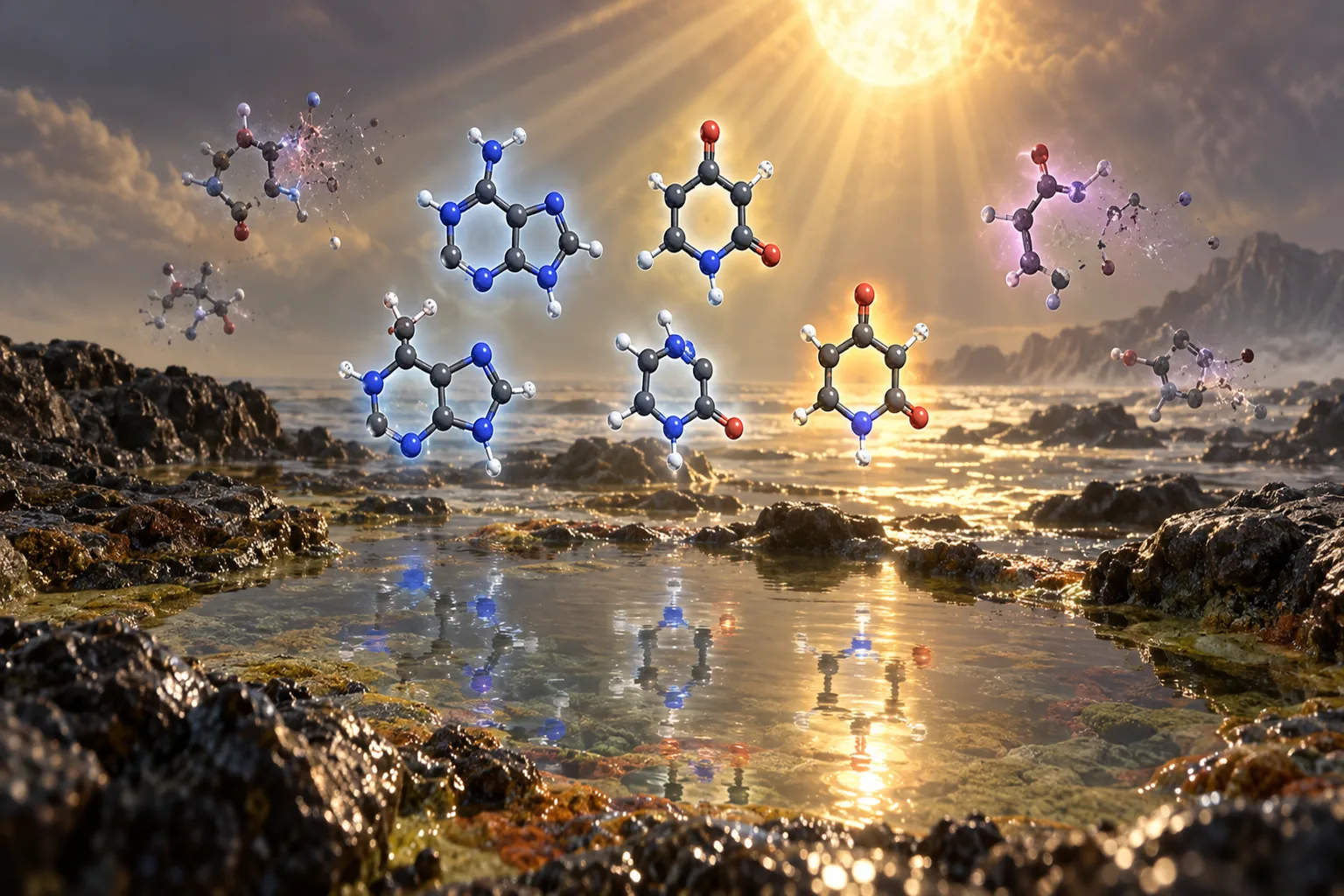
An abundance of heterocyclic molecules analogous to canonical nucleobases (i.e., adenine, thymine, guanine, cytosine, and uracil) used as the genetic alphabet in DNA and RNA could have been present in various prebiotic environments on early Earth. However, extant biology generally uses the canonical nucleobases and nucleosides as the genetic alphabet, and not any number of possible noncanonical counterparts. Ultraviolet (UV) irradiation was likely abundant on the surface of the early Earth and h
Underground hydrogen storage requires geological formations with demonstrated hydrogen containment, yet no conventional storage candidate (salt caverns, aquifers, or depleted hydrocarbon reservoirs) offers direct, prior evidence of H 2 -specific sealing. We propose that subcommercial natural hydrogen reservoirs, where H 2 has accumulated over geological timescales, can serve as precertified storage sites. This proposition is evaluated using the Bulqizë fault-controlled natural H 2 reservoir
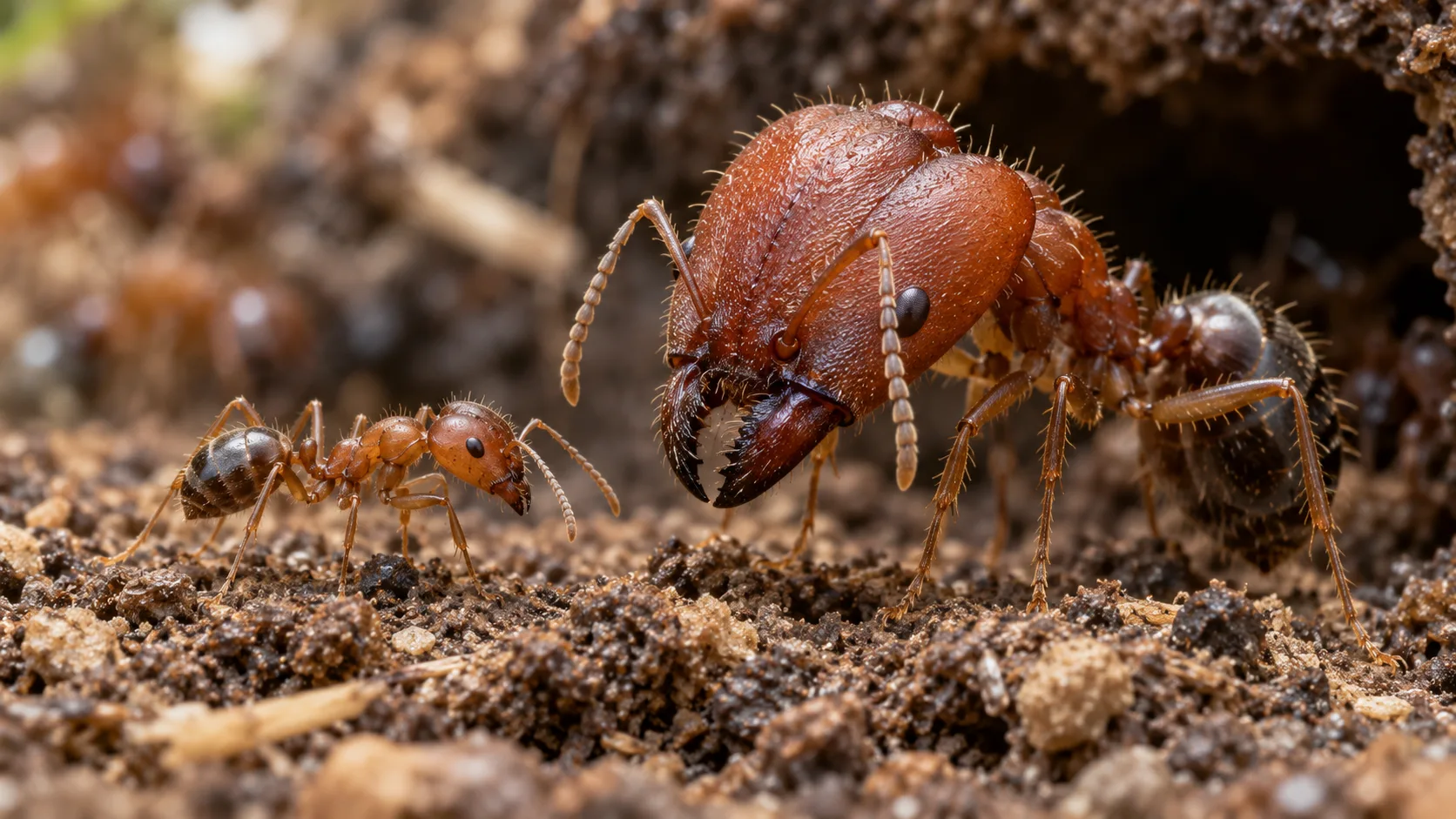
The evolution of allometry, changing how morphological traits scale to body size, has fueled adaptive radiations. In ants, allometry has facilitated the repeated evolution of a worker-soldier caste system. Here, we reveal an unexpected morphological pattern and its superorganismal regulation within the hyperdiverse genus Pheidole . We uncovered that antennal sizing between the small worker and the big soldier is identical, lacking intercaste scaling (antennae-body scaling is decoupled) yet retai
Functional diversity plays an important role for ecosystem services of managed grasslands such as their gross primary productivity (GPP) and soil organic carbon (SOC) stocks. Yet vegetation models assessing functional diversity have been limited to small spatial scales. We used the Lund-Potsdam-Jena managed land (LPJmL) competitor stress-tolerant ruderal (CSR) model to assess the role of functional diversity for managed grassland GPP and SOC under climate change at the global scale. LPJmL-CSR si
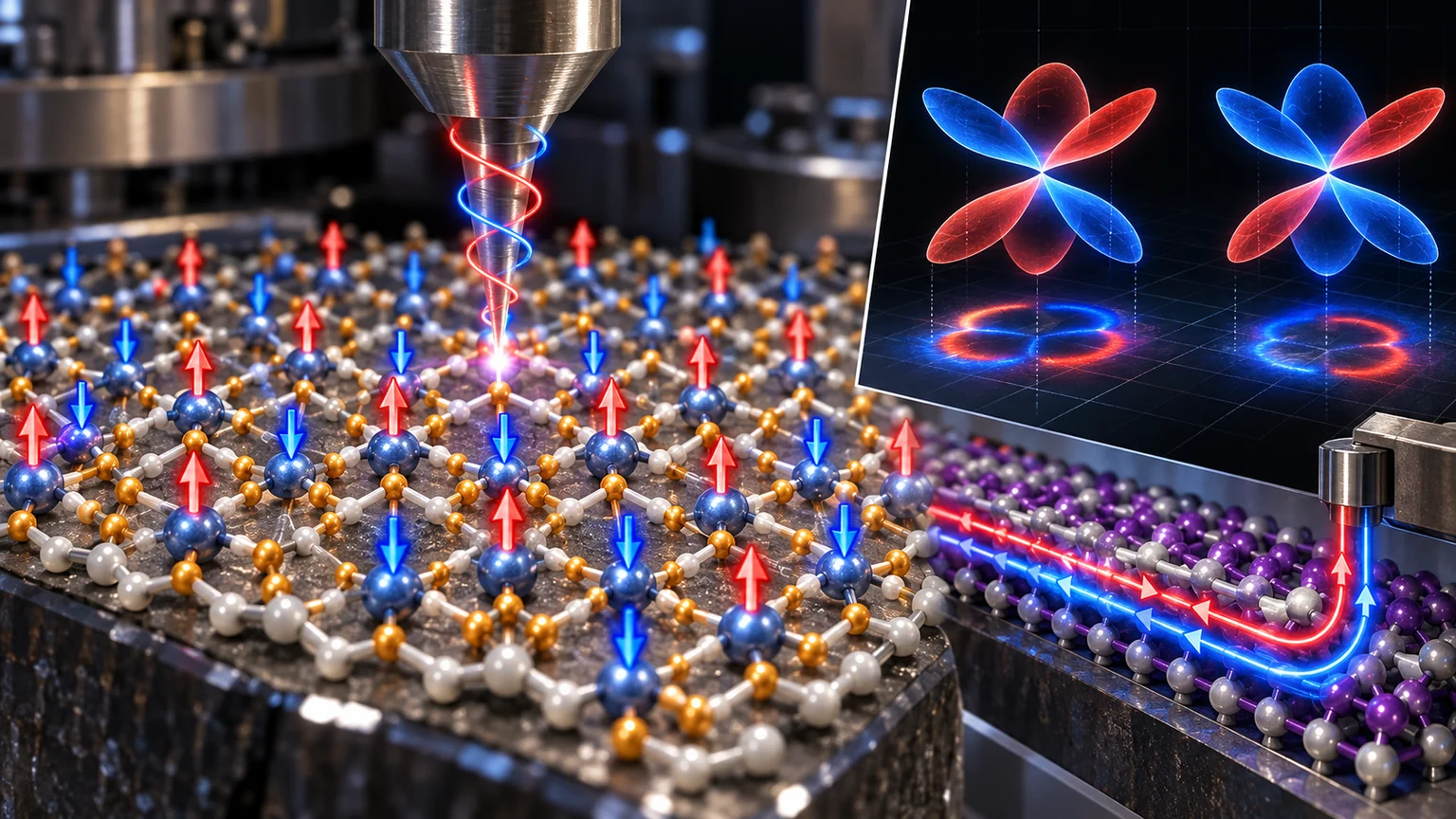
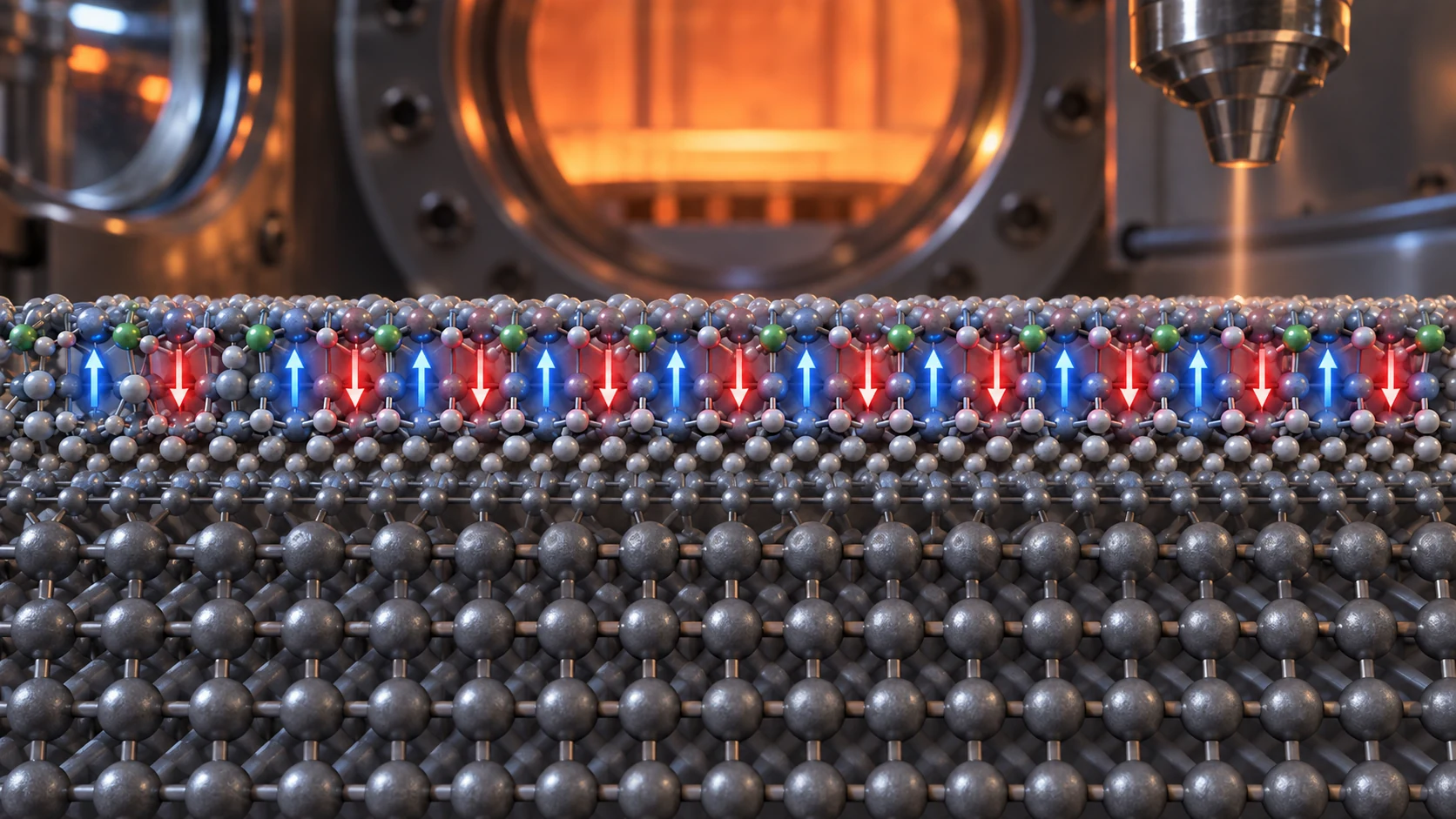
Altermagnets simultaneously possess momentum-dependent nonrelativistic spin splitting and zero net magnetization (1-6). Their defining crystalline symmetry connects opposite-spin sublattices in real space and imposes alternating spin polarization on the symmetry-related electronic states in momentum space (1-3). Identifying such an order and its associated spin response therefore calls for atomic-scale spin-sensitive measurements in both real and momentum space, an experimental milestone yet to
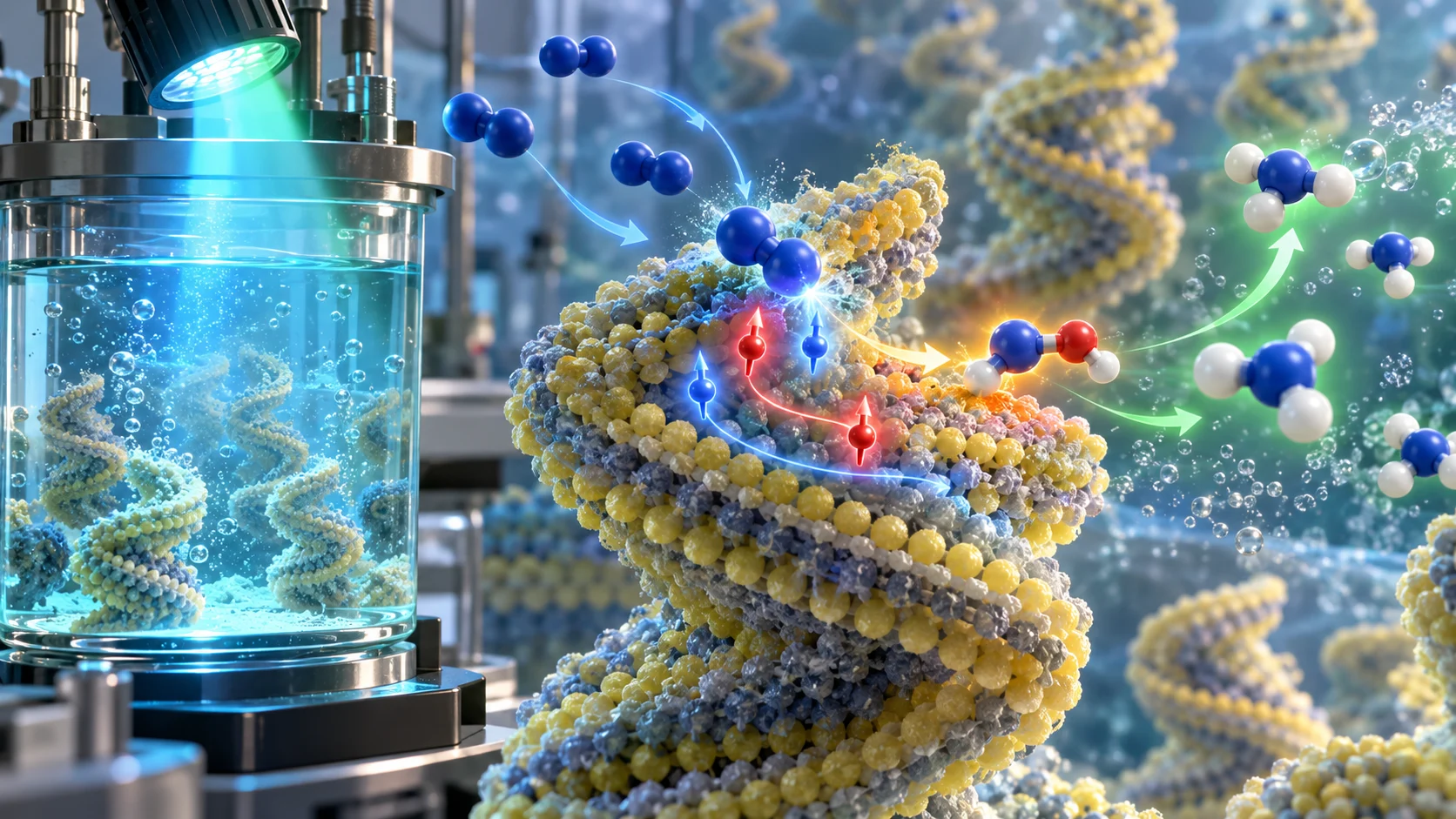
Harnessing the earth-abundant N2 via photocatalysis is a sustainable route to green NH3 synthesis. However, photocatalytic N2 reduction (PNR) remains constrained by the high energy barrier for N2 activation and reduction. In this work, we report that the spin-polarized chiral mesostructured Bi2WO6 (CMB) can facilitate the formation of metastable triplet NOH (3NOH) intermediates, while simultaneously promoting the separation and transport of photogenerated charge carriers, thereby enhancing PNR p
Sea-level rise (SLR) threatens terrestrial biodiversity, yet its spatiotemporal and species-specific impacts remain unclear. Integrating relative SLR projections across five Shared Socioeconomic Pathways (SSPs) with Area of Habitat (AOH) maps for 34,120 terrestrial vertebrate species, we project species exposed to SLR will increase from up to 13,680 in 2050 to 15,324 by 2100, including 57-63% of birds, 47-52% of mammals, 28-36% of reptiles, and 20-24% of amphibians. In Southeast Asia, inland inu
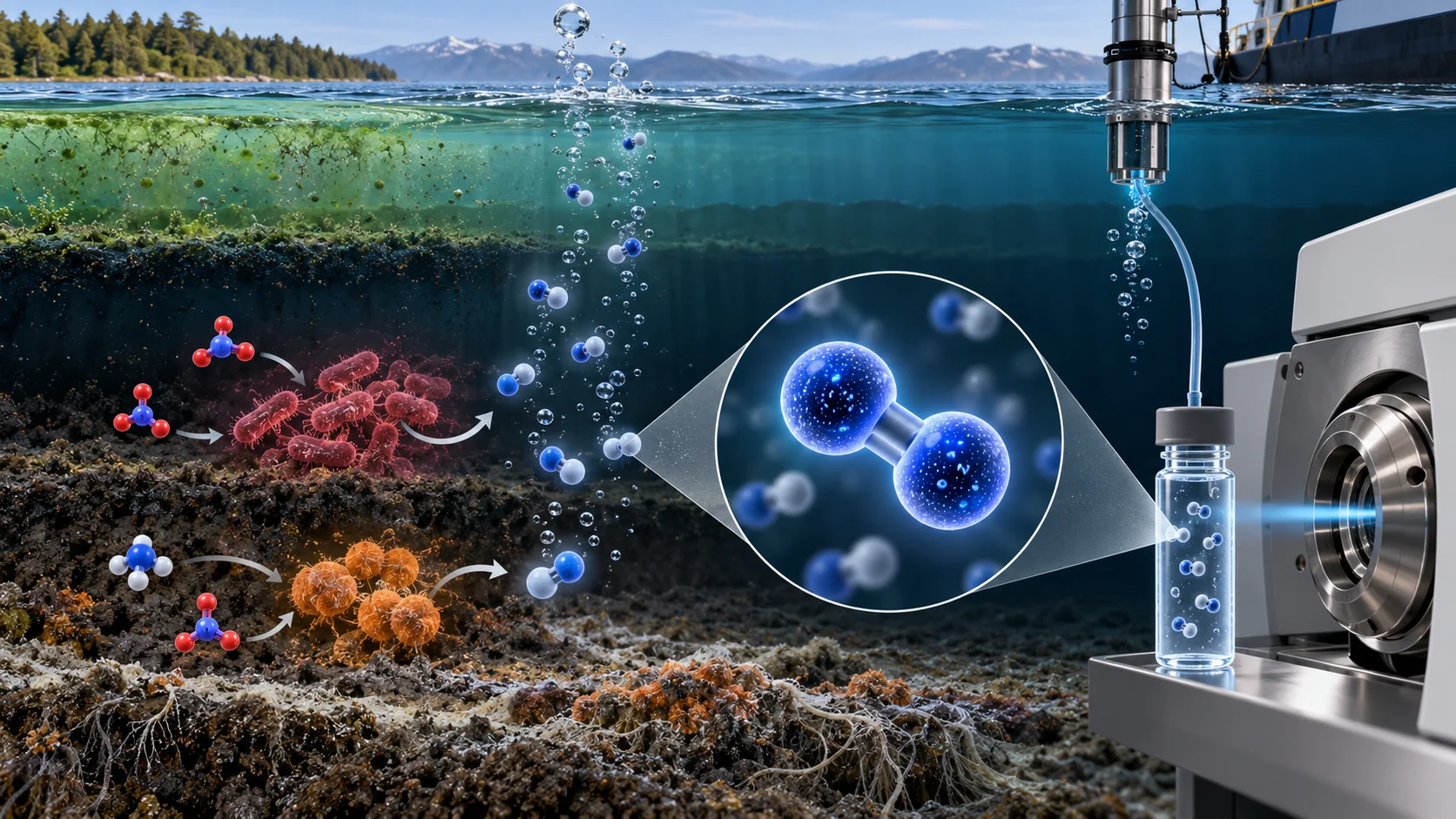
Nitrogen regulates primary productivity across much of the biosphere, yet fixed nitrogen loss remains poorly constrained because existing methods rely on indirect proxies or ex situ experiments. In this study, we show that natural abundances of the rare 15 N 15 N isotopologue of dinitrogen (N 2 ) provide a direct tracer of biological N 2 production across diverse aquatic environments. N 2 produced by denitrification and anammox has a near-stochastic 15 N 15 N distribution [0 per mil (‰)],
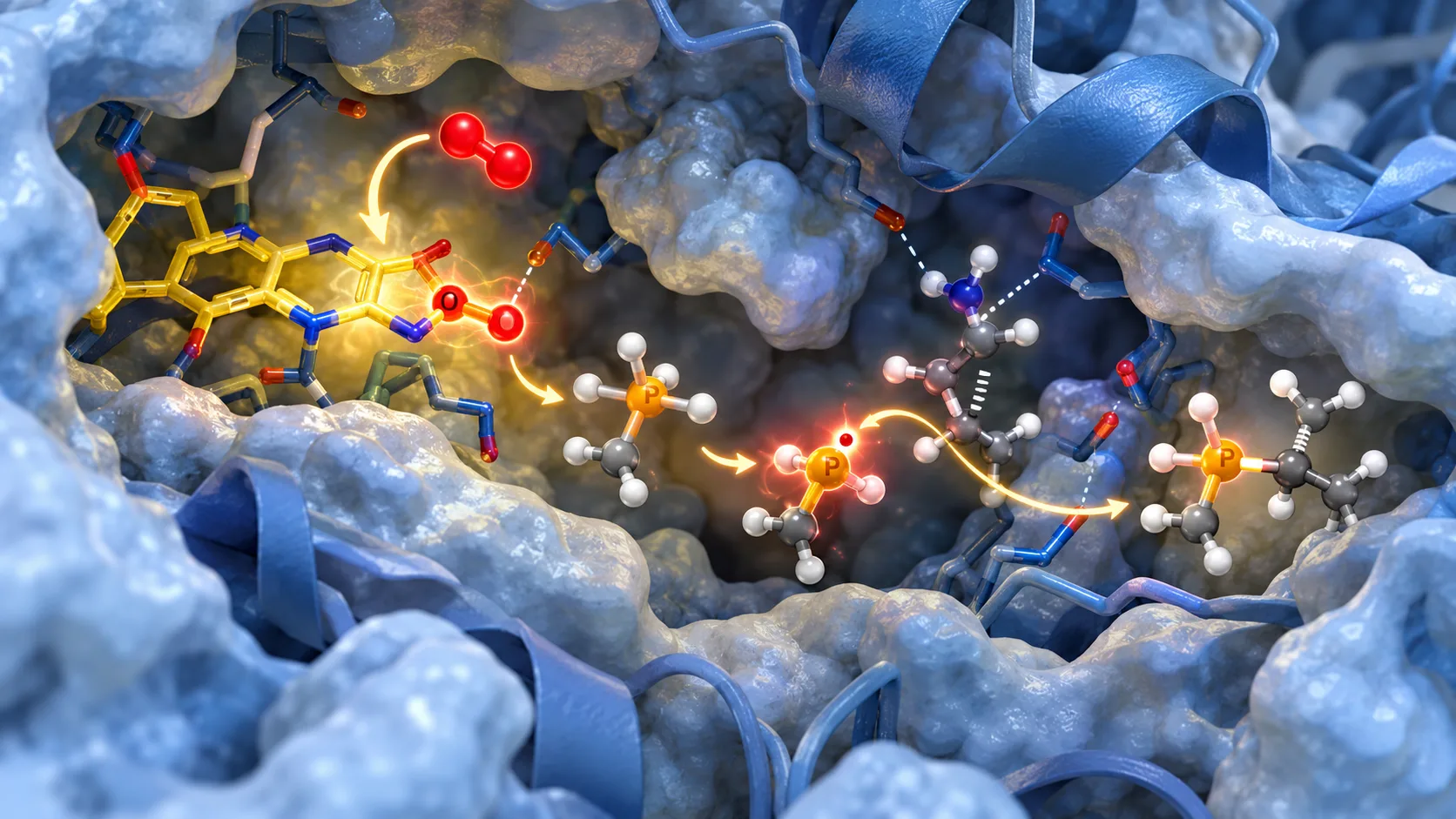
Enzymatic carbon-phosphorus bond formation is extremely rare in nature, limiting biocatalytic access to phosphorus-containing compounds that are widely used in pharmaceuticals and agrochemicals. Here, we report an asymmetric enzymatic hydrophosphorylation through oxygen activation using a repurposed flavin-dependent enzyme. Mechanistic studies revealed that reactive oxygen species are converted into productive phosphorus-centered radicals, followed by radical addition and enzymatic hydrogen atom
Unraveling the complex formation and alteration history for extraterrestrial organic matter is key to understanding the chemical evolution of the solar system (SS) and potentially even life's emergence on Earth. In this study, we performed high-precision triple oxygen isotope measurements on insoluble organic matter (IOM) sourced from a diverse suite of carbonaceous chondrites (CCs). Remarkably, the IOM from primitive Type 1 and 2 CCs-including CI, CM, CR, Bells, and Tarda-have oxygen isotope co
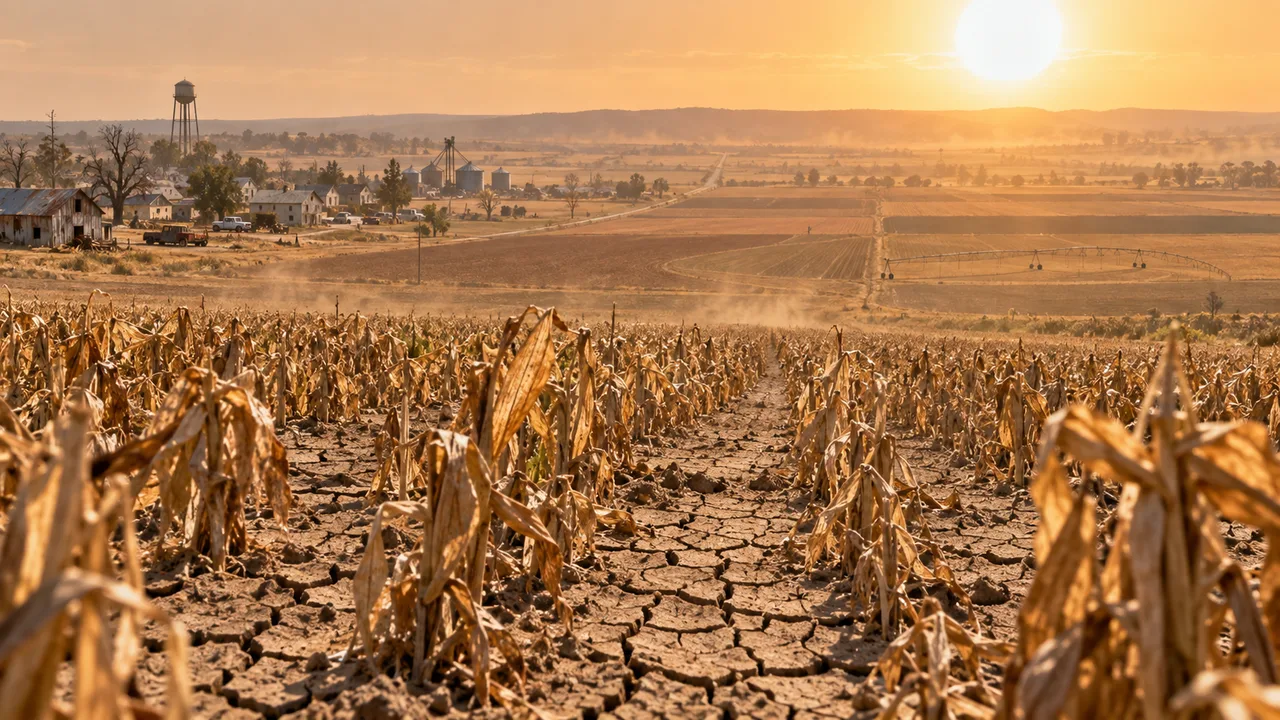
Compound drought and heat wave (CDHW) events are becoming more frequent and intense across the contiguous United States, increasing risks to human health, ecosystems, agriculture, and energy production systems. However, their distribution across socioeconomically vulnerable communities remains largely unexplored at the national scale. In this study, we develop a CDHW metric by integrating weekly US Drought Monitor classifications with daily temperature extremes from 2000-2021, allowing consisten
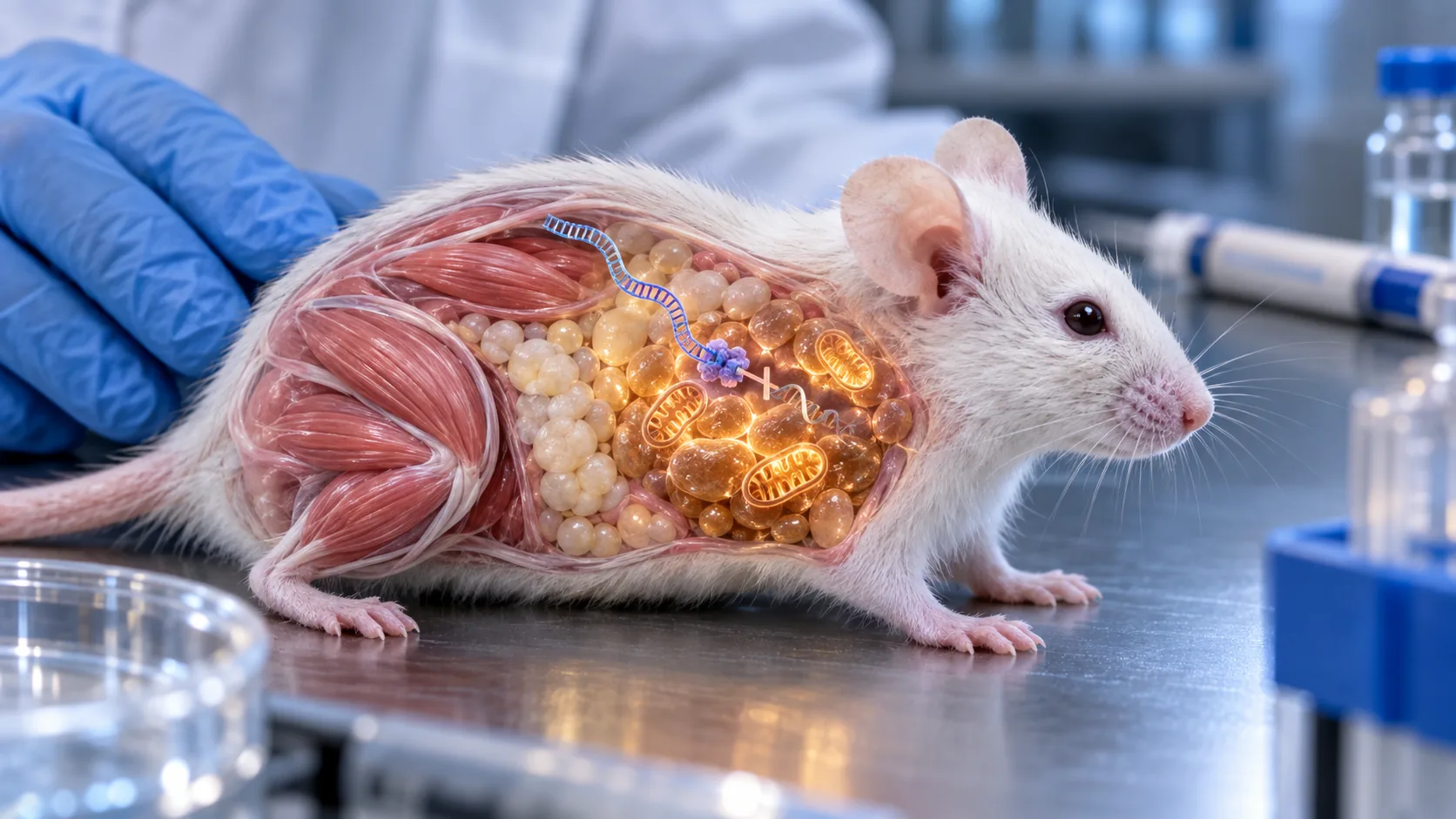
Current obesity therapies reduce weight but often fail to preserve lean mass or sustain metabolic benefit. Glucagon-like peptide-1 receptor agonists (GLP-1RA) improve obesity-associated metabolic disease, but weight loss is often accompanied by reduced energy expenditure, loss of lean mass, and rapid fat-predominant regain after treatment discontinuation. We hypothesized that pharmacologic activation of adipose thermogenesis could specifically target fat loss, complement appetite suppression by
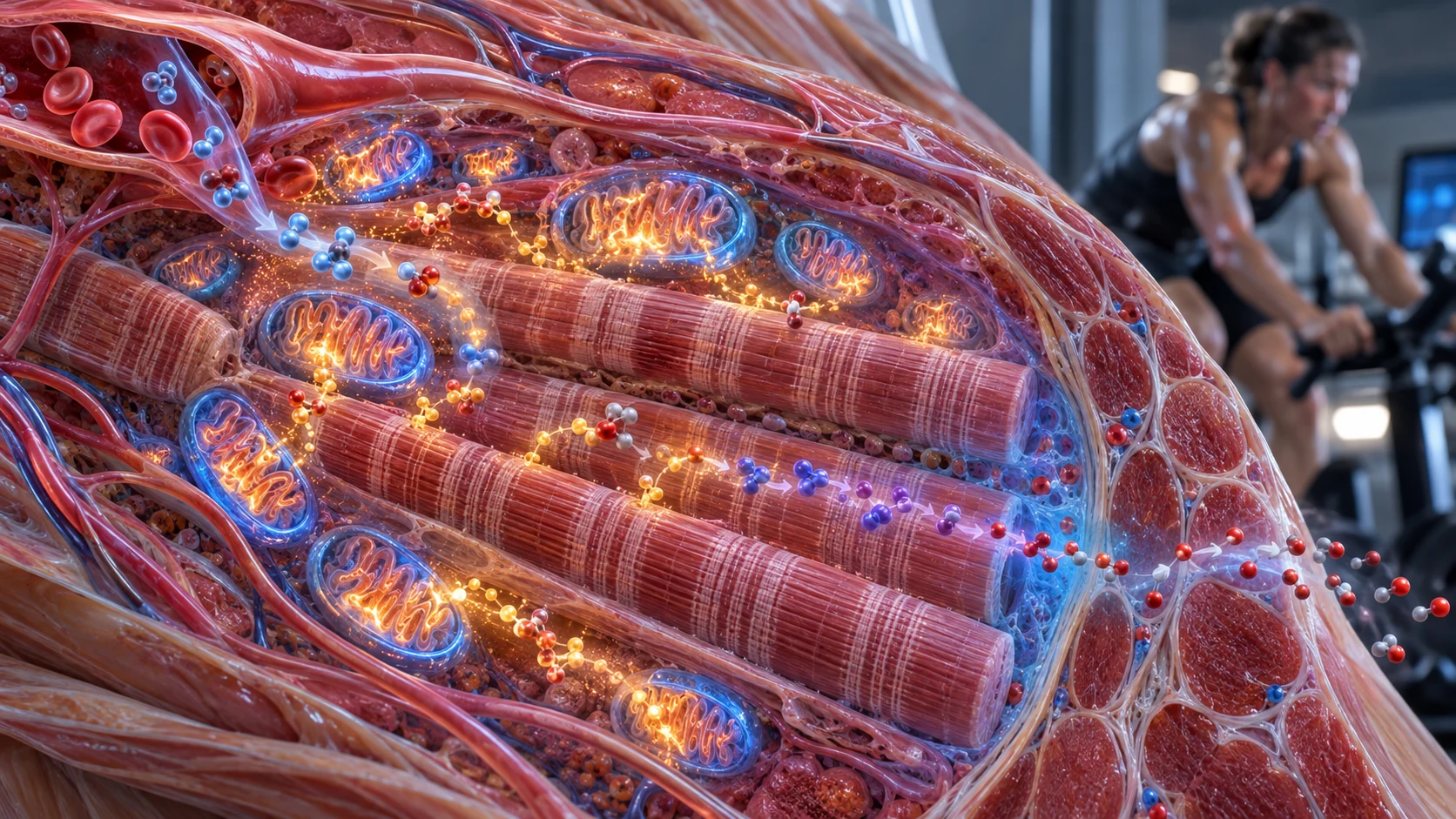
Energy metabolism matches adenosine triphosphate (ATP) resynthesis to hydrolysis even during abrupt transitions such as exercise onset. In 1984, Alois Mader proposed a mechanistic model that captures this regulation through 33 coupled differential equations linking oxidative phosphorylation, glycolysis, and the phosphocreatine shuttle via adenosine diphosphate (ADP), phosphate, and pH feedback. Despite its potential, broader adoption has been limited by closed-source implementations and key publ
Climate tipping points have moved from theoretical concern to a practical challenge for climate-risk assessment and governance. Yet whether scientific attention is aligned with risk-relevant characteristics of climate tipping elements (CTEs) has not been systematically assessed. Across 20,736 CTE-specific records spanning 2000-2025 and addressing 14 tipping elements, attention was concentrated on the Greenland Ice Sheet and Atlantic Meridional Overturning Circulation, while Boreal Permafrost (ab
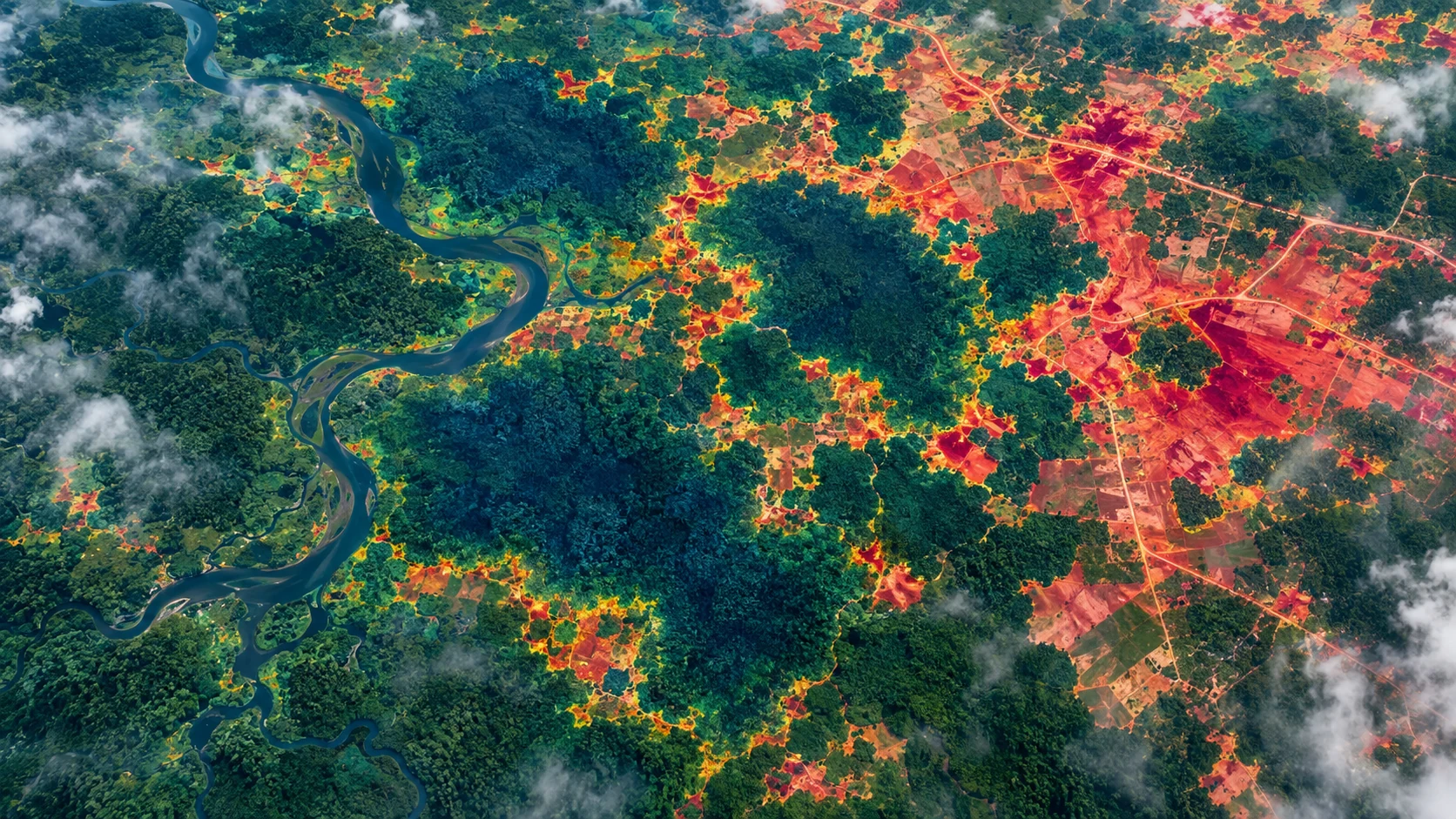
Forests are widely recognized for their significant role in climate change mitigation. Global landscape-scale assessments have focused mainly on how forest cover (FC) affects temperature. Yet, changes in forest area are generally accompanied by altered fragmentation, and both the independent effect of fragmentation on forest thermal environments and its contribution relative to FC remain insufficiently understood. We disentangled the respective relationships of fragmentation and FC with land sur
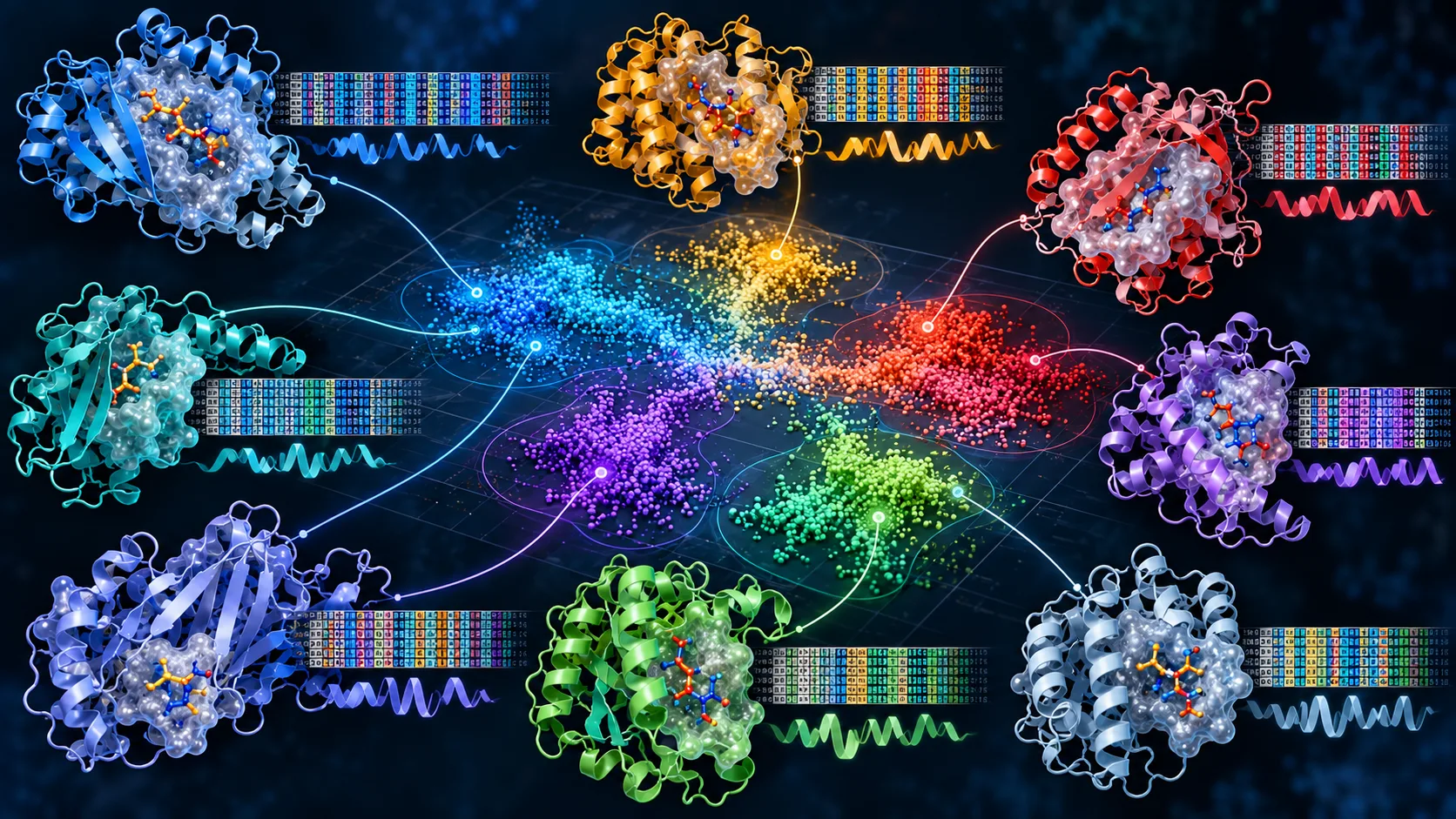
Proteins can be studied through their sequence statistics or structural properties. These represent complementary views that are useful but lack a quantitative framework to tell, family by family, which is most informative and how to combine them. We introduce a framework that builds both views in parallel: amino acid (AA) alignments are translated into parallel alignments over a 3D interaction (3Di) structure-informed alphabet. Variational autoencoders compress each into a two-dimensional map,
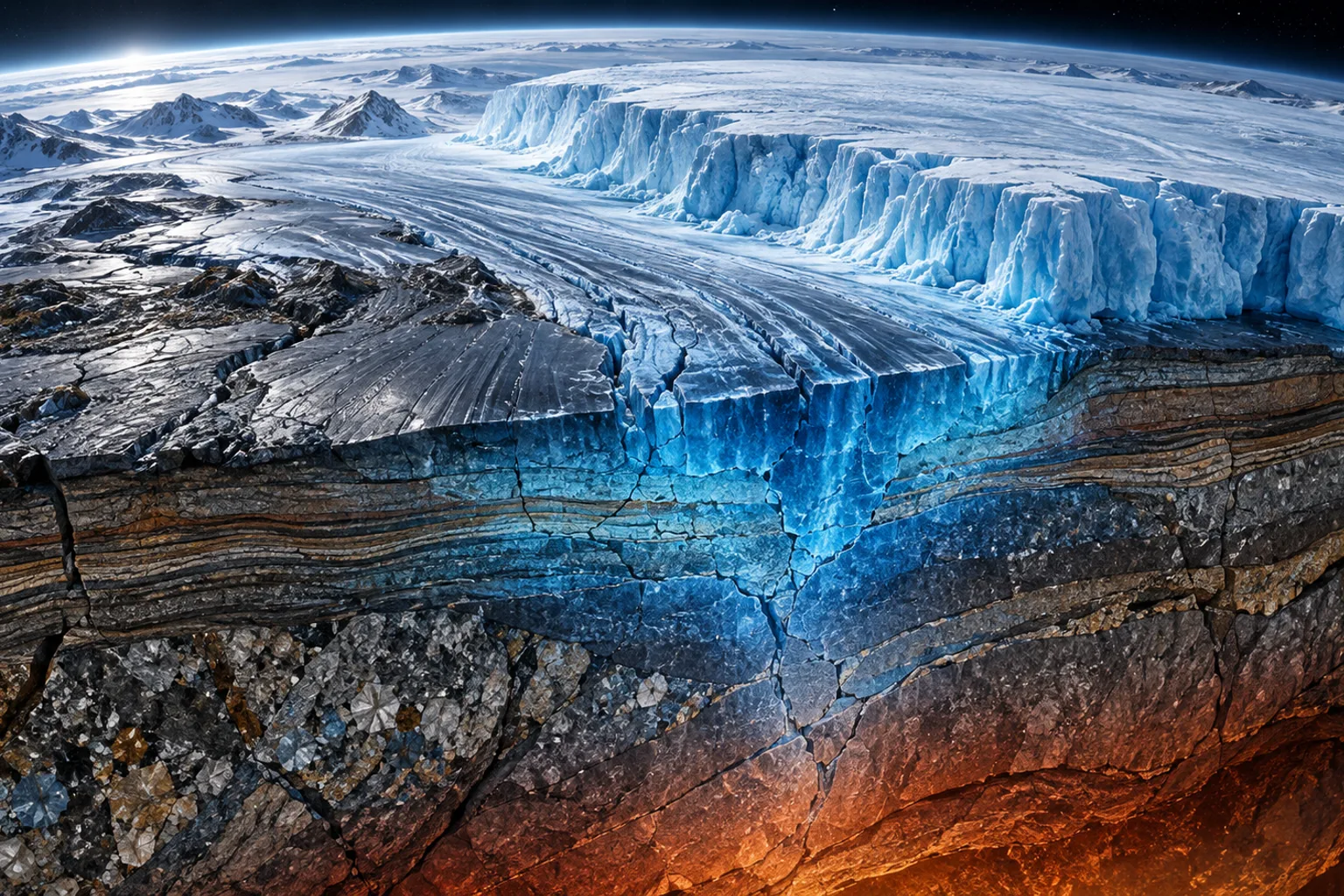
Glaciation cools the crust by setting its surface temperature to 0°C or well below. During the Cryogenian Snowball Earth glaciations, these conditions were in place long enough to cool the entire crustal column. Although crustal thermal history can be deciphered by thermochronology, these data are typically interpreted to record depth changes due to burial or erosion. Thermal models of the crust under Cryogenian boundary conditions predict that thermochronometers were substantially altered
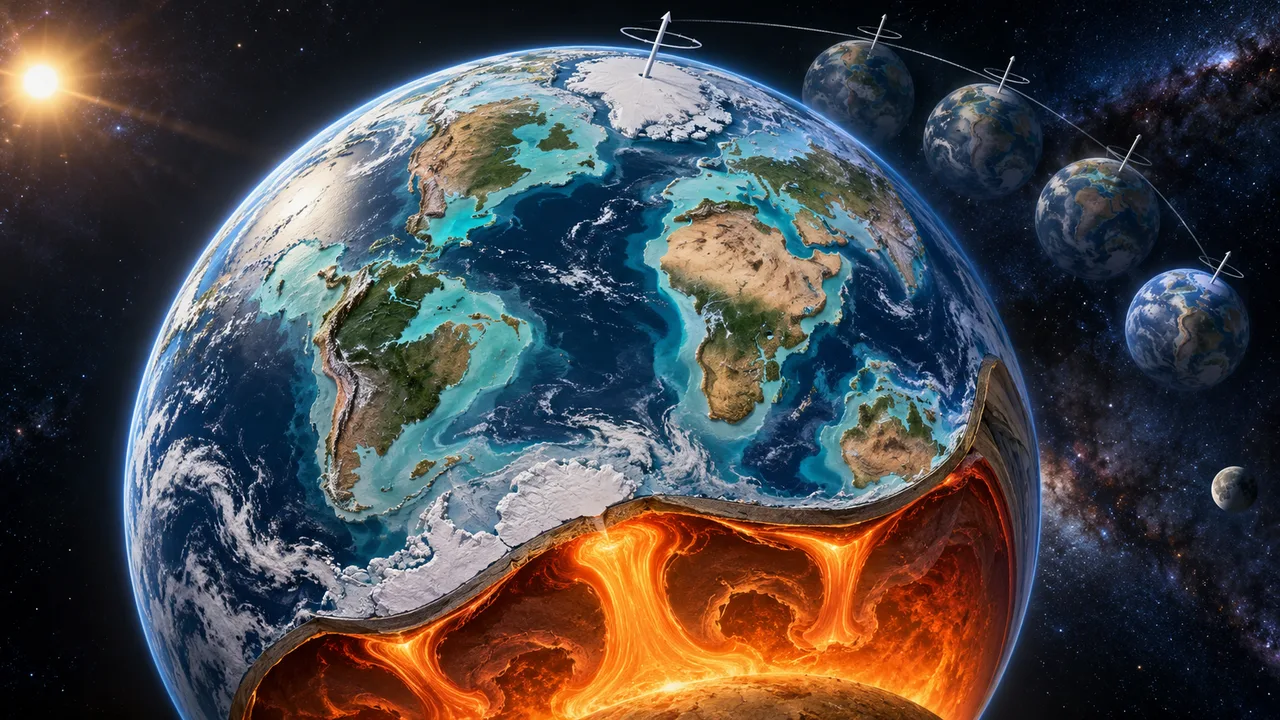
True polar wander (TPW) is presently occurring at a rate of ~10 centimeters per year, exceeding the mean rate of differential plate motion. Whether this rate is transient and negligible on geological timescales or whether Earth has experienced rapid TPW lasting millions of years is unclear. Paleomagnetic evidence has been used to propose fast episodes of TPW, but limitations of the paleomagnetic record have precluded definitive results. Rapid TPW will induce global sea level fluctuations associa
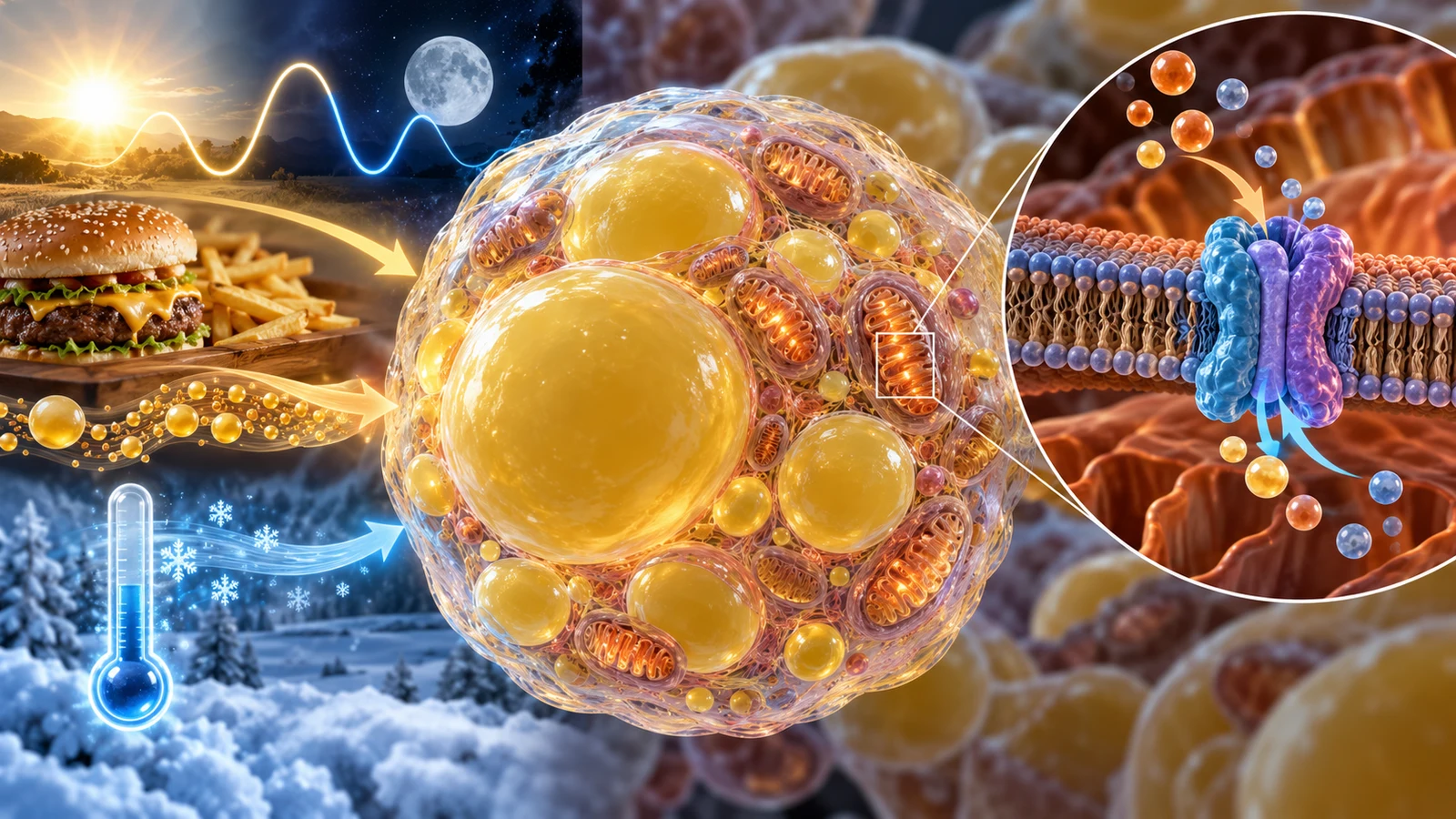
Adipocyte lipid metabolism is coordinated by circadian rhythms, diet, and environmental temperature, but how these diverse signals are molecularly integrated remains unknown. We showed that these cues converge on the orphan mitochondrial transporter SLC25A34 to orchestrate lipid cycling. During the sleep phase, the adipocyte clock suppresses Slc25a34 expression through the REV-ERB transcriptional repressors. Entering the active phase, consuming lipid-rich diets, or exposure to cold abolishes REV
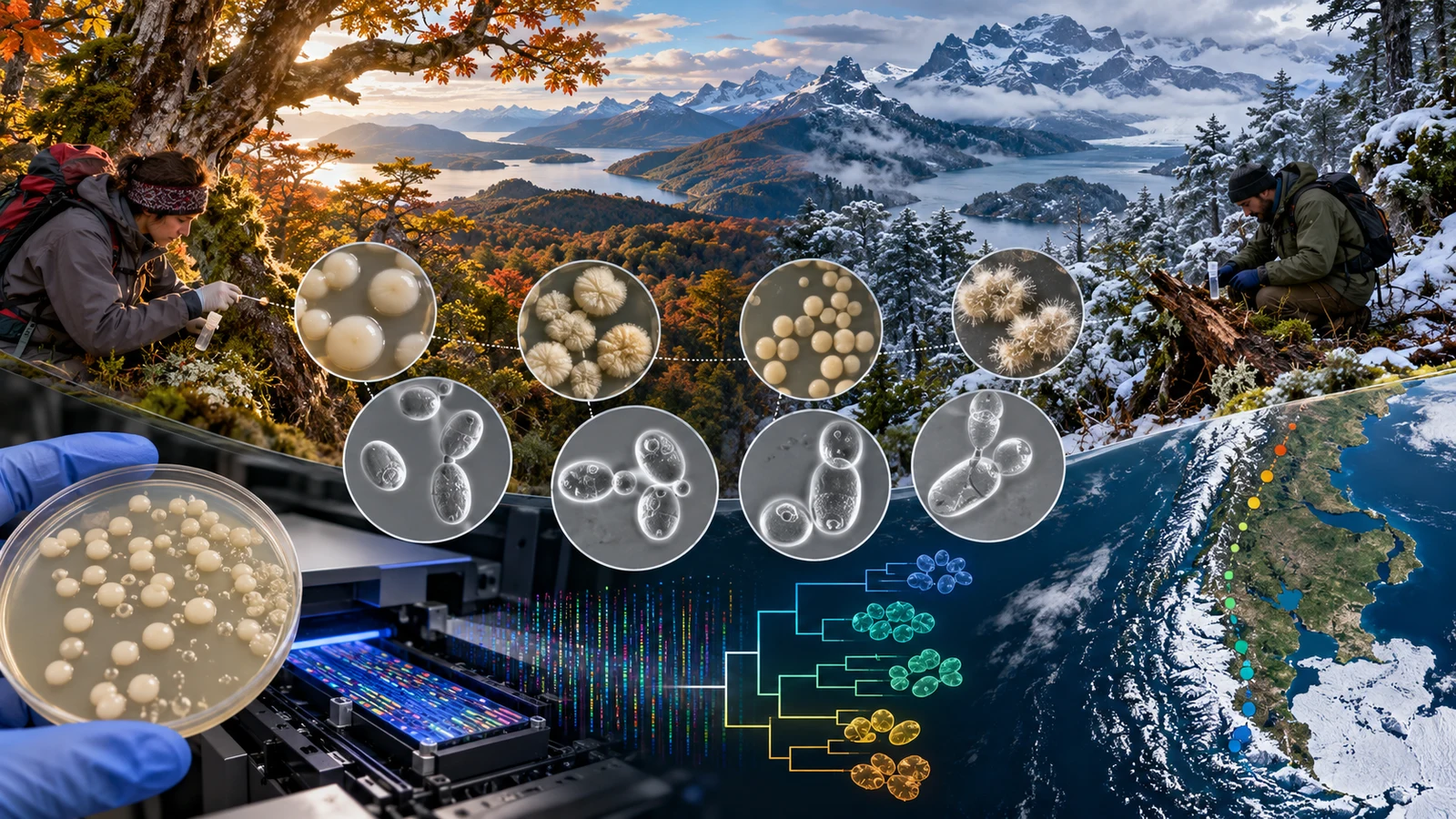
Environmental variation imposes strong selection on microbial populations, yet linking ecological gradients to genomic and phenotypic diversification remains challenging due to limited sampling of wild microbes. Here, we leveraged the exceptional abundance of the cold-adapted yeast Saccharomyces eubayanus throughout Patagonian Nothofagus forests to investigate how climatic gradients shape natural microbial diversity. Using systematic sampling across ~1,000 km of Chilean Patagonia, spanning multi
A long-standing bottleneck in realizing two-dimensional (2D) CMOS technology lies in the lack of high-performance p-type semiconductors 1-4 . Strong electron-doping tendencies, orbital localization and pronounced hole scattering have collectively impeded the development of stable, efficient p-type 2D materials. Here we report the epitaxy growth of boron carbon nitride (BCN) as a high-performance p-type semiconductor. By engineering the dehydrogenation and surface reaction pathways of monomethyl
Carbenes are reactive divalent carbon intermediates that serve as one-carbon synthons to access cyclopropanes. The synthetic utility of these three-membered carbocycles has led chemists to accept the dangers associated with the explosive starting materials 1 or intermediates 2 required for both conventional and modern cyclopropanation reactions. Sulfonium salts, although safer, have not been competitive for cyclopropanation because they typically do not function as efficient carbene donors 3 . I
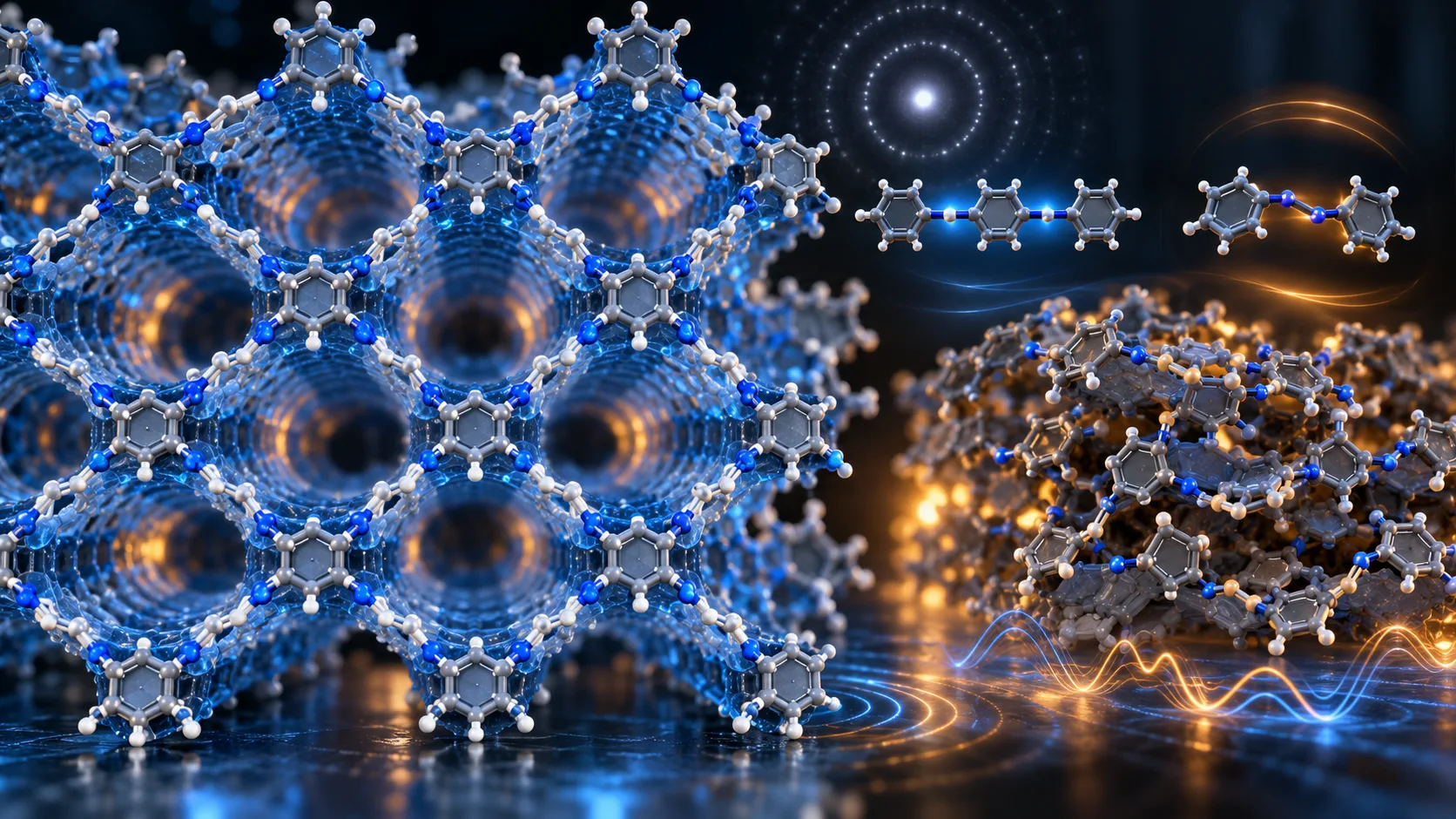
Molecular flexibility encoded in low-frequency lattice dynamics is increasingly recognized as a key determinant of the properties of porous materials, particularly metal-organic frameworks, but remains largely unexplored in covalent organic frameworks (COFs). Here, we establish a structure-dynamics-property relationship for chemically related COFs by combining three-dimensional electron diffraction, low-frequency vibrational spectroscopy, and first-principles calculations. Using 3D electron diff
There is a growing need for human-centered weather and climate forecasts that provide actionable information to farmers and other stakeholders. Cocoa, which sustains the livelihoods of nearly six million smallholder farmers, illustrates this need: Recent production shortfalls have threatened incomes, yet their underlying causes remain unclear, with explanations invoking both climatic and nonclimatic factors. Here we show that heavy rainfall, rather than temperature or mean water availability, is
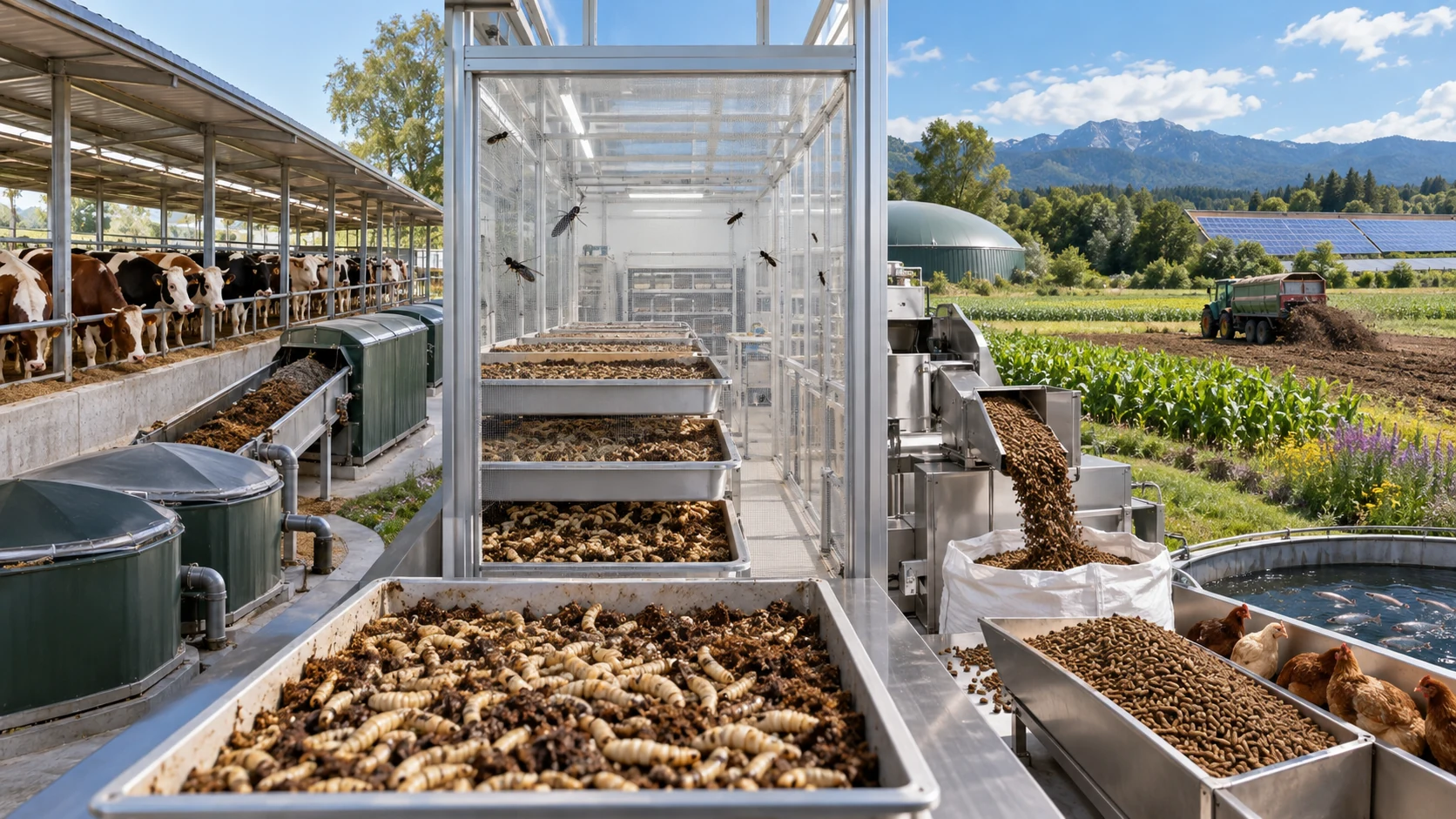
Livestock manure is nutrient-rich and represents a promising feedstock for insect farming, with insect protein offering a high-quality alternative to conventional crop-based livestock feed. This pathway has substantial potential to mitigate nitrogen (N) and greenhouse gas (GHG) emissions from livestock systems. Here, we integrate global livestock models with trade, land-use, and cost-benefit analysis to quantify the environmental and economic implications of manure-to-insect conversion while ens
For more than a decade, US embassies and consulates provided independent, publicly accessible air-quality information in cities worldwide. In 2025, this program was abruptly suspended, generating sharp drops in the availability of trusted pollution information. We evaluate the consequences of this change using real-time satellite-derived aerosol optical depth (AOD) and a matched difference-in-differences design with same-country control cities. Across 46 cities, we find no systematic trends prio
Evolutionary rescue-the process by which adaptive evolution prevents population extinction following environmental deterioration -is frequently proposed as a buffer against biodiversity loss under climate change, yet its capacity to alter future population trajectories is rarely assessed quantitatively. Most forecasts of evolutionary rescue rely on simplified demographic models, focus on a single adaptive trait, and explore hypothetical environmental scenarios rather than standardized climate pa
How crystals emerge from supercooled liquids remains a central problem in condensed-matter physics and a paradigm of first-order phase transitions under metastable conditions. Supercooled liquids often form crystal nuclei that are not the thermodynamically most stable solid, in a manner that cannot be attributed solely to statistical fluctuations, challenging the intuition that polymorph selection simply follows the free-energy hierarchy of crystalline phases. Using molecular-dynamics simulation
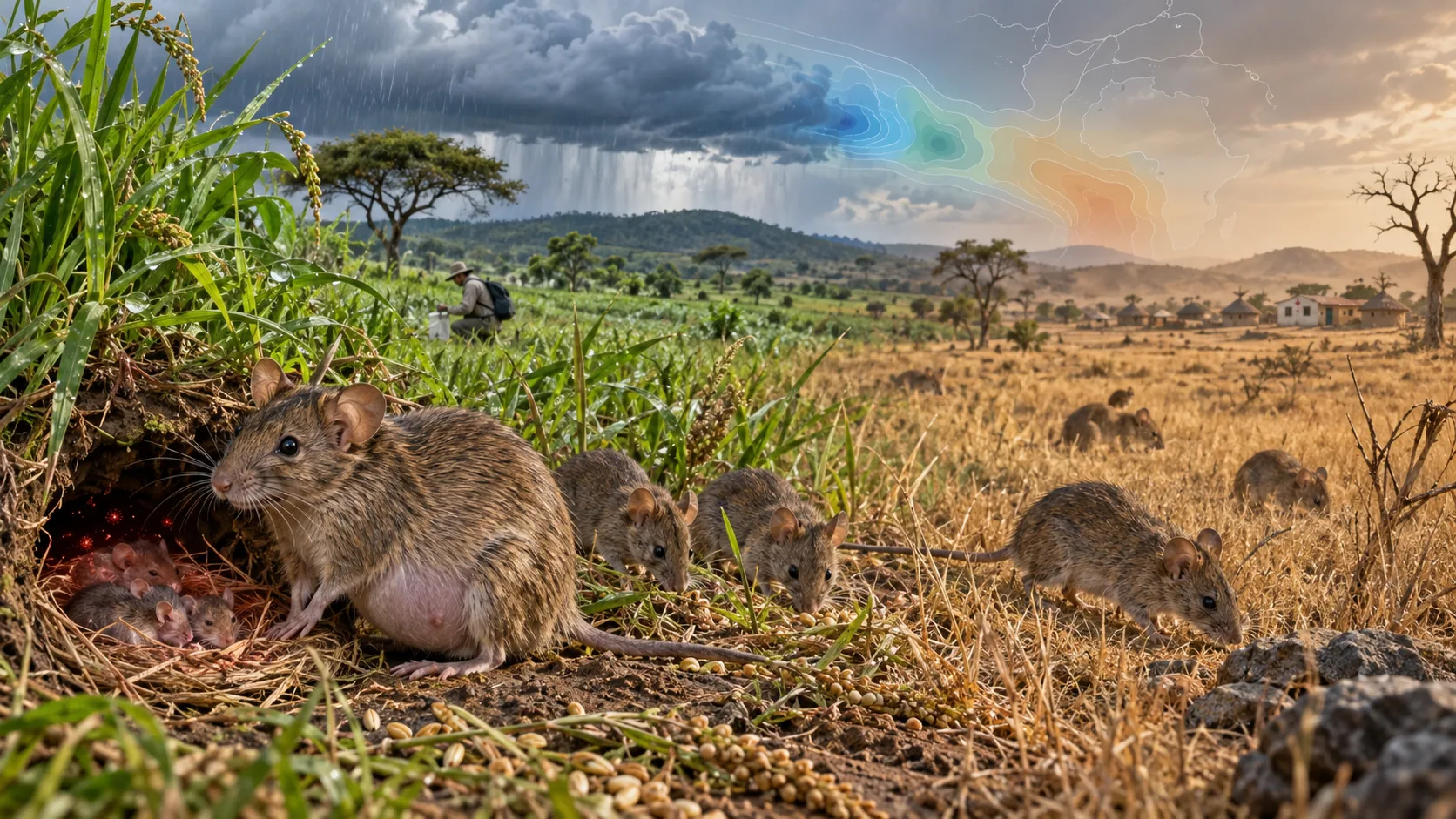
Mechanistic frameworks linking climate to zoonotic disease risk through host ecology remain rare, limiting transferable insights across systems. We develop a Bayesian framework combining an integral projection model of rodent demography with a compartmental disease model. Applied to capture-mark-recapture data from the Natal multimammate mouse ( Mastomys natalensis ; N = 20,249 captures, 1994-2023) and serological data on the Lassa virus-related Morogoro arenavirus ( N = 7,850 tests, 2010-2017),
Wing polyphenism represents a prevalent evolutionary adaptation in insect taxa, characterized by the capacity of a single genotype to produce distinct wing morphologies in response to environmental variations. Across hemipteran lineages, the regulation of wing polyphenism involves taxon-specific endocrine signaling cascades; however, the evolutionarily conserved genetic toolkit that underlies this developmental plasticity remains elusive. Here, we find that the steroid hormone ecdysteroids serve
The aim of this paper is to offer an analytic theory of the shear banding instability in amorphous solids that are subjected to athermal quasi-static shear. To this aim we derive nonlinear equations for the displacement field, including the consequences of plastic deformation on the mechanical response of amorphous solids. The plastic events collectively induce distributed dipoles that are responsible for screening effects and the creation of typical length-scales that are absent in classical el
We report herein an enantioselective total synthesis of (-)-methyl gummiferolate, a complex diterpene natural product with a tetracyclic ent-atisane core including a bicyclo[2.2.2]octane subunit and three all-carbon quaternary centers. Gummiferolic acid has demonstrated potent plant growth-regulatory activity similar or superior to gibberellic acid. Using pattern recognition analysis, the tetracyclic ent-atisane core of (-)-methyl gummiferolate was retrosynthetically traced back to chiral pool m
Antiferroelectricity is a material property characterized by alternating electric dipoles spontaneously ordered in antiparallel directions. Antiferroelectrics are promising for energy storage, solid-state cooling, and memory technologies; however, these materials are scarce, and their scalability remains largely unexplored. In this work, we demonstrate that single-crystalline hafnia, a lead-free CMOS-compatible material, exhibits antiferroelectricity under compressive-strain conditions. We obser
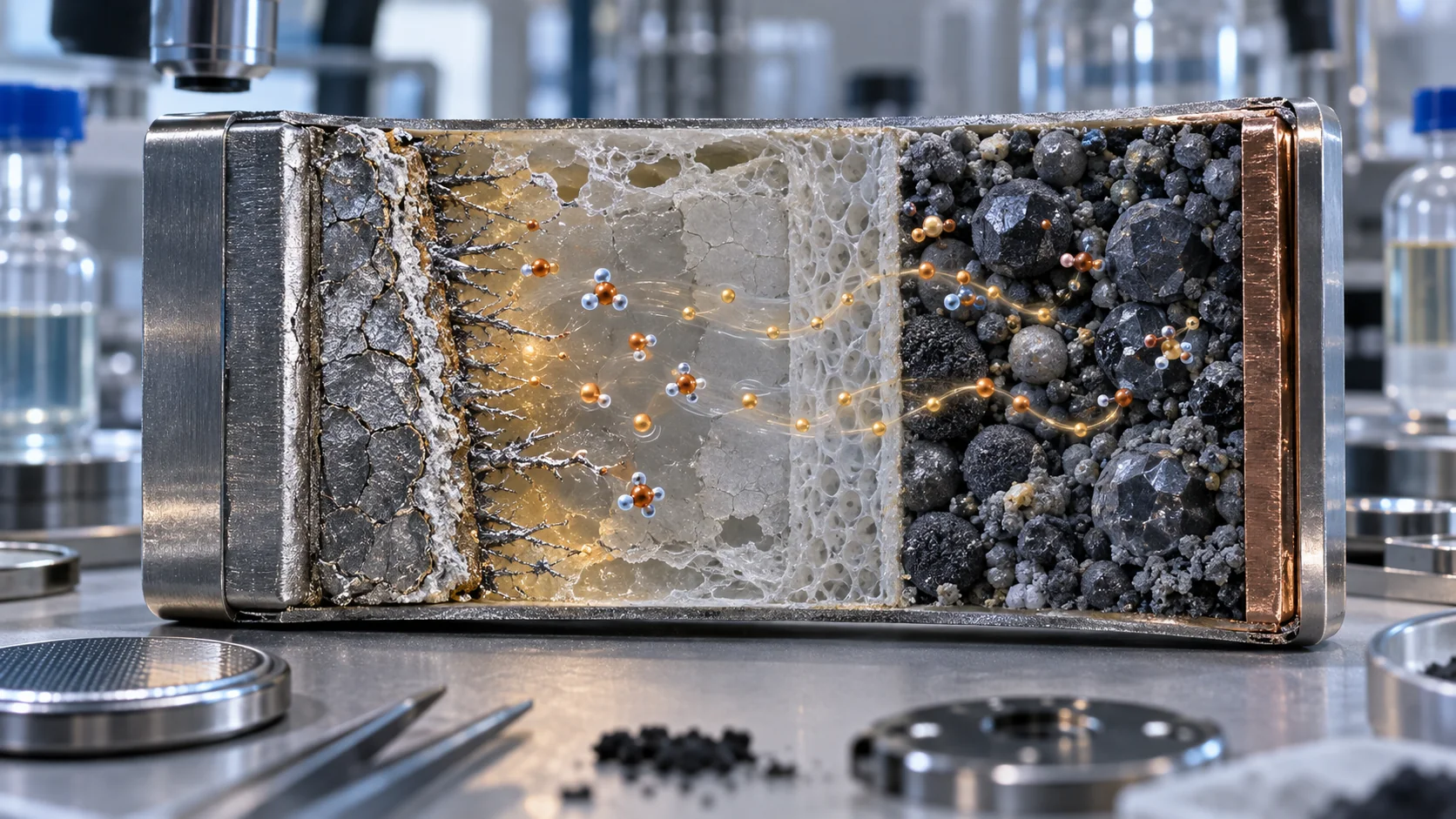
Lithium-ion Coulombic efficiency (Li CE) is widely used to evaluate interfacial stability and predict cycle life in lithium-ion batteries but fails in lithium-metal batteries (LMBs), in which higher Li CE does not reliably lead to longer cycle life. Here, we reveal that electrolyte depletion caused by unstable solid electrolyte interphases (SEIs) leads to electrolyte dry-out and induces lithium compensation through anode-to-cathode cross-talk, whereby soluble anionic species formed at the anode
Arctic warming is reshaping permafrost and glacierized terrains, potentially changing their natural hazards in response to seismic shaking. On 10 March 2025, a Mw 6.5 oceanic transform fault earthquake near Jan Mayen Island in the Arctic Ocean triggered a large rock avalanche that buried part of the Kjerulf Glacier, generating infrasound signals and glacier calving. Using seismic, Global Navigation Satellite System data, infrasound records, satellite imagery, and long-term climatological records
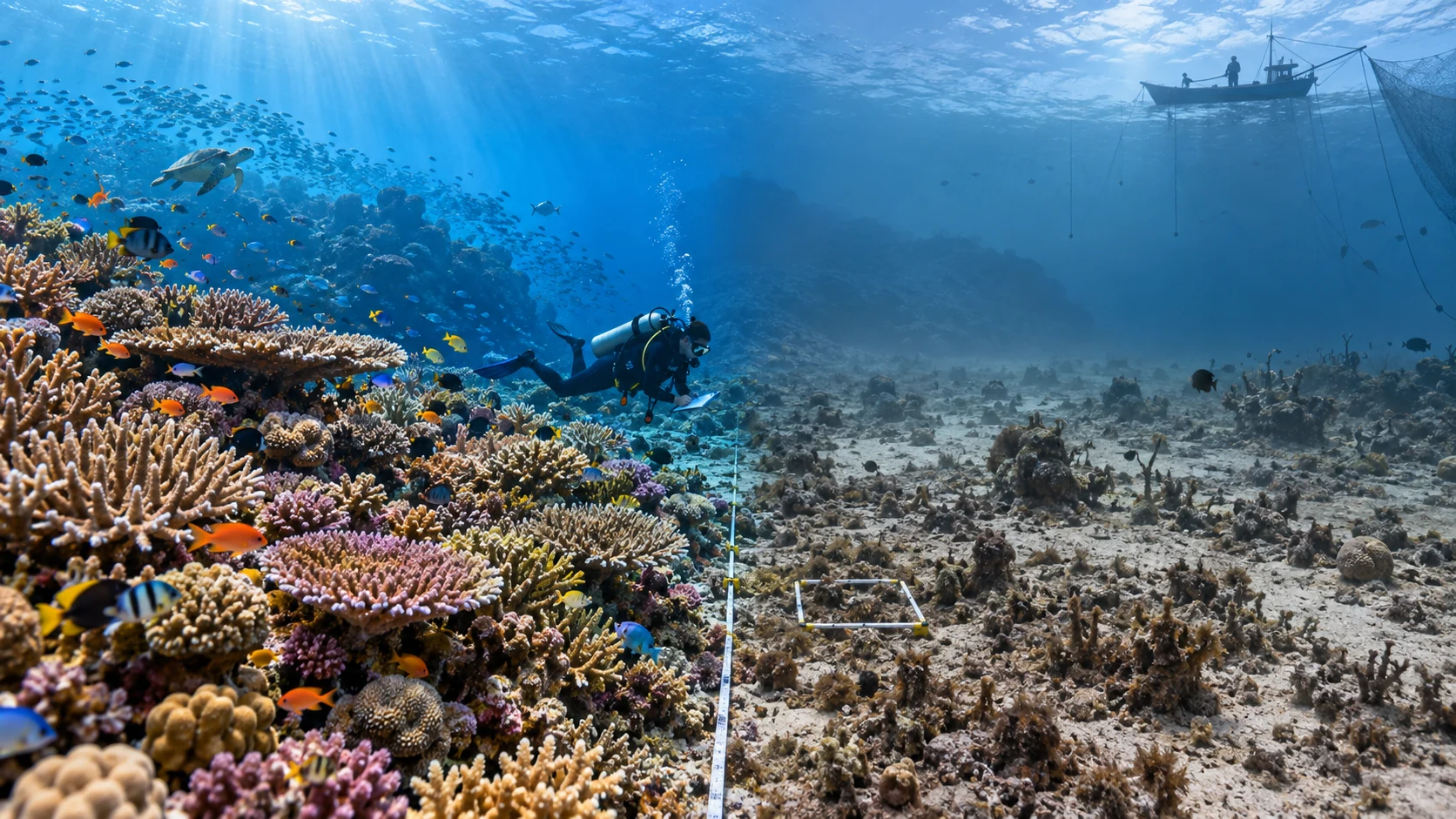
The Convention on Biological Diversity's ambitious target to "effectively conserve" 30% of the world's oceans in protected areas by 2030 risks being undermined by a primary focus on total area protected rather than realized conservation outcomes. Area-based assessments can overstate success because few marine protected areas (MPAs) possess strong restrictions and high compliance. Here, we estimate the extent that conservation outcomes are realized across the global MPA network for shallow reefs
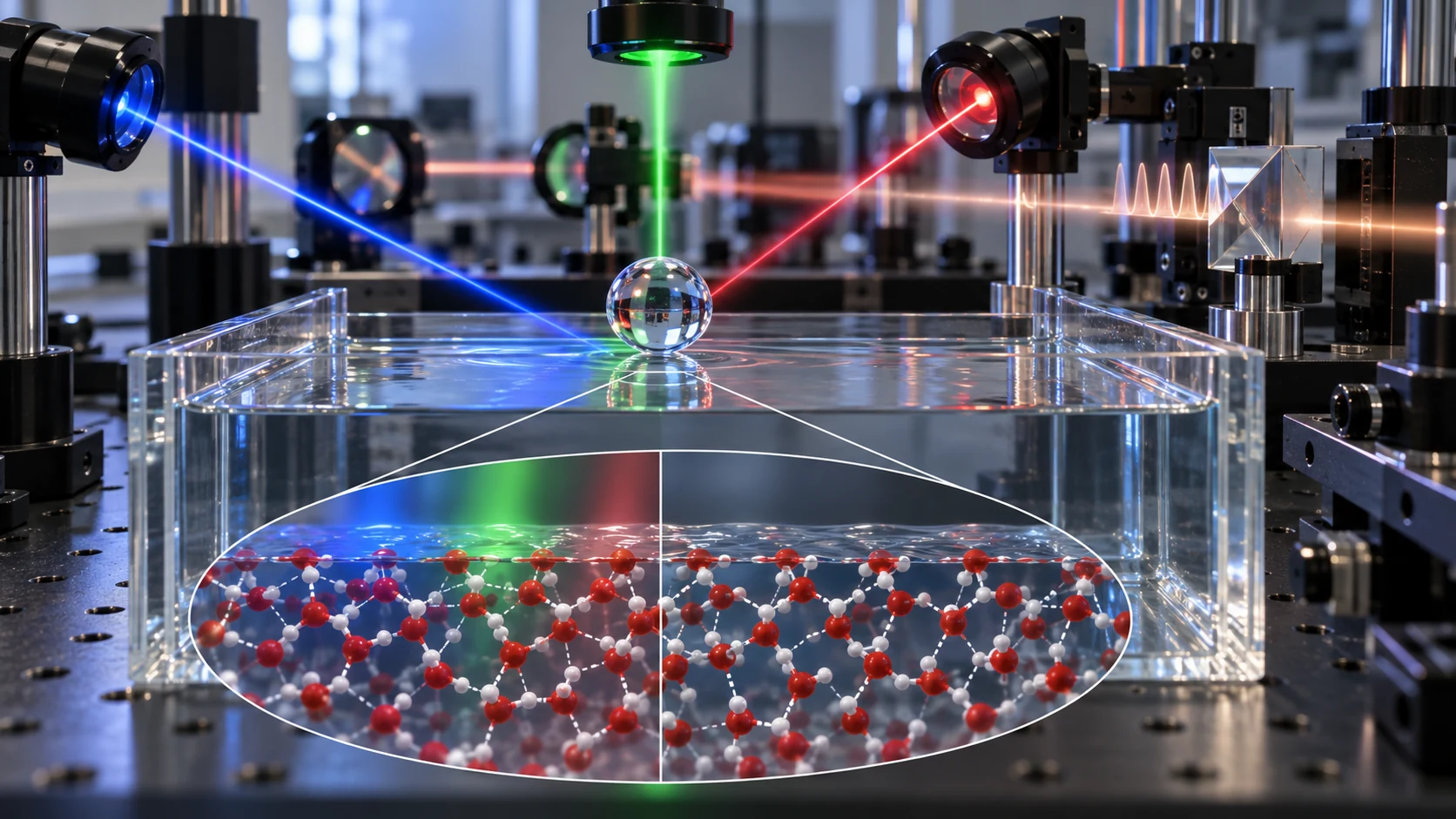
Visible light-induced "photomolecular" enhancement of water evaporation has been proposed as a fundamentally new mode of light-matter interaction at aqueous interfaces, with far-reaching implications for climate processes and light-driven water technologies. Yet, the response of neat interfacial water to visible photons has not been directly quantified at both macroscopic and molecular scales. Here, we combine high-precision confocal displacement measurements with a surface-specific vibrational
Segregation, or social-economic inequity across space, is a widespread phenomenon. What can ecology, with its fundamental concern for spatial heterogeneity, contribute conceptually and practically to issues of segregation? And what can urban ecology learn? The relationships of four established perspectives about environmental inequity and injustice can help answer these questions. All the perspectives acknowledge the social construction of race and similar rankings. Patterns and drivers of segre
Historical residential segregation policies have left a lasting impact on urban environments, greenspaces, and wildlife communities, creating socioeconomic heterogeneity and altering biota. However, the extent to which these policies continue to impact urban biodiversity remains unclear, especially across taxonomic groups and spatial scales. We explore how sampling and biodiversity metrics (sampling density, estimated completeness of sampling, and expected species richness) across taxonomic grou
Human activities have directly altered the water cycle through water management, aquifer pumping, agricultural irrigation, and land use change. Although satellite gravimetry has transformed global hydrological research, its coarse resolution limits attribution of freshwater change to human activities at many management-relevant scales. Here we assessed global terrestrial water storage (TWS) trends from April 2002 to November 2025 using "stacked" regression of Level-1B intersatellite ranging data
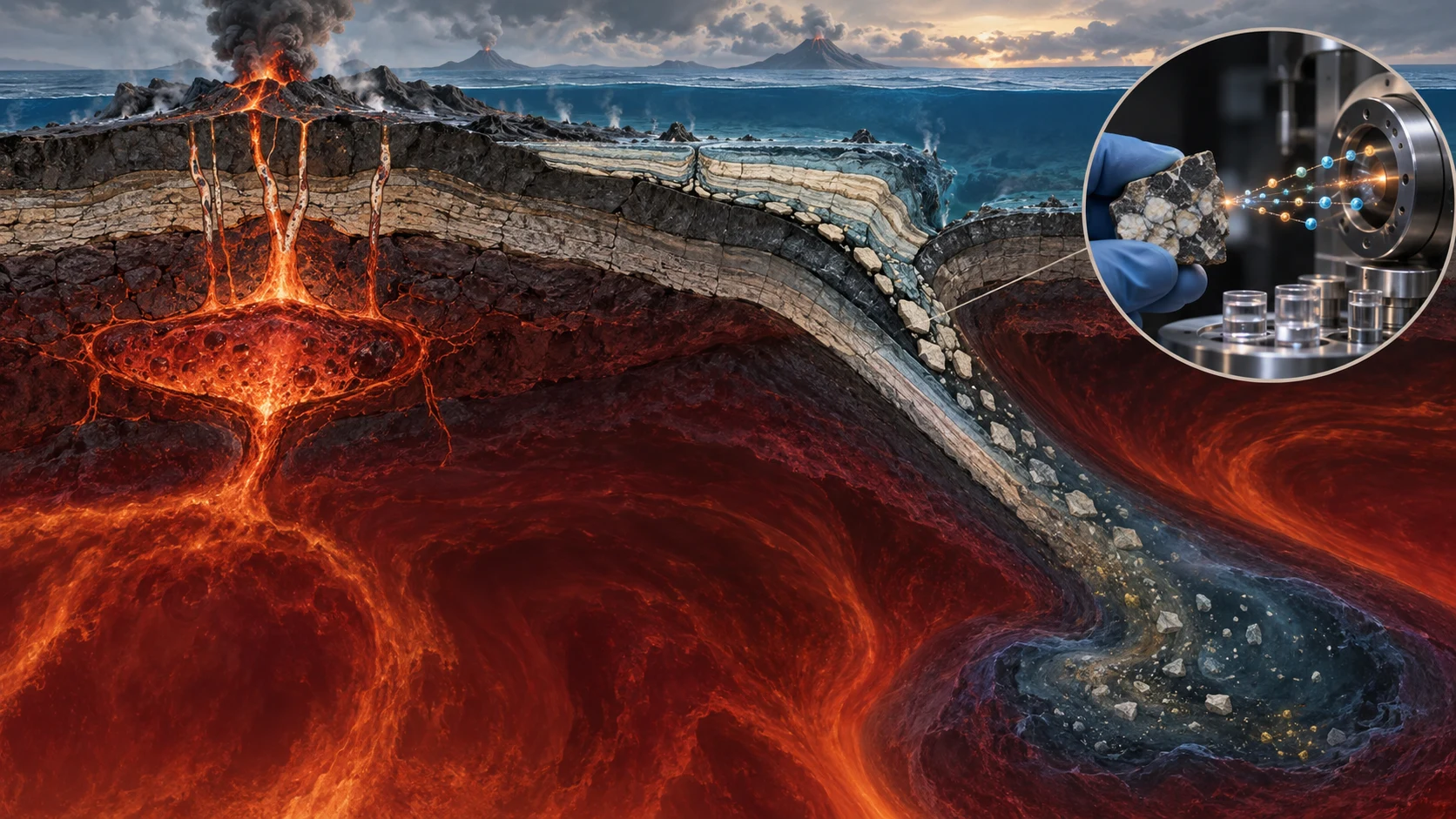
Carbonatite-forming magmas provide a critical window into the deep carbon cycle, but their ultimate carbon sources are debated. Here, we present first-principles calculations based on density functional theory and demonstrate that incipient mantle melting in the presence of primordial carbon produces carbonated melts enriched in light zinc (Zn) isotopes relative to the mantle. In contrast, our Zn isotopic data for a suite of Phanerozoic-to-Precambrian carbonatites and associated silicate rocks r
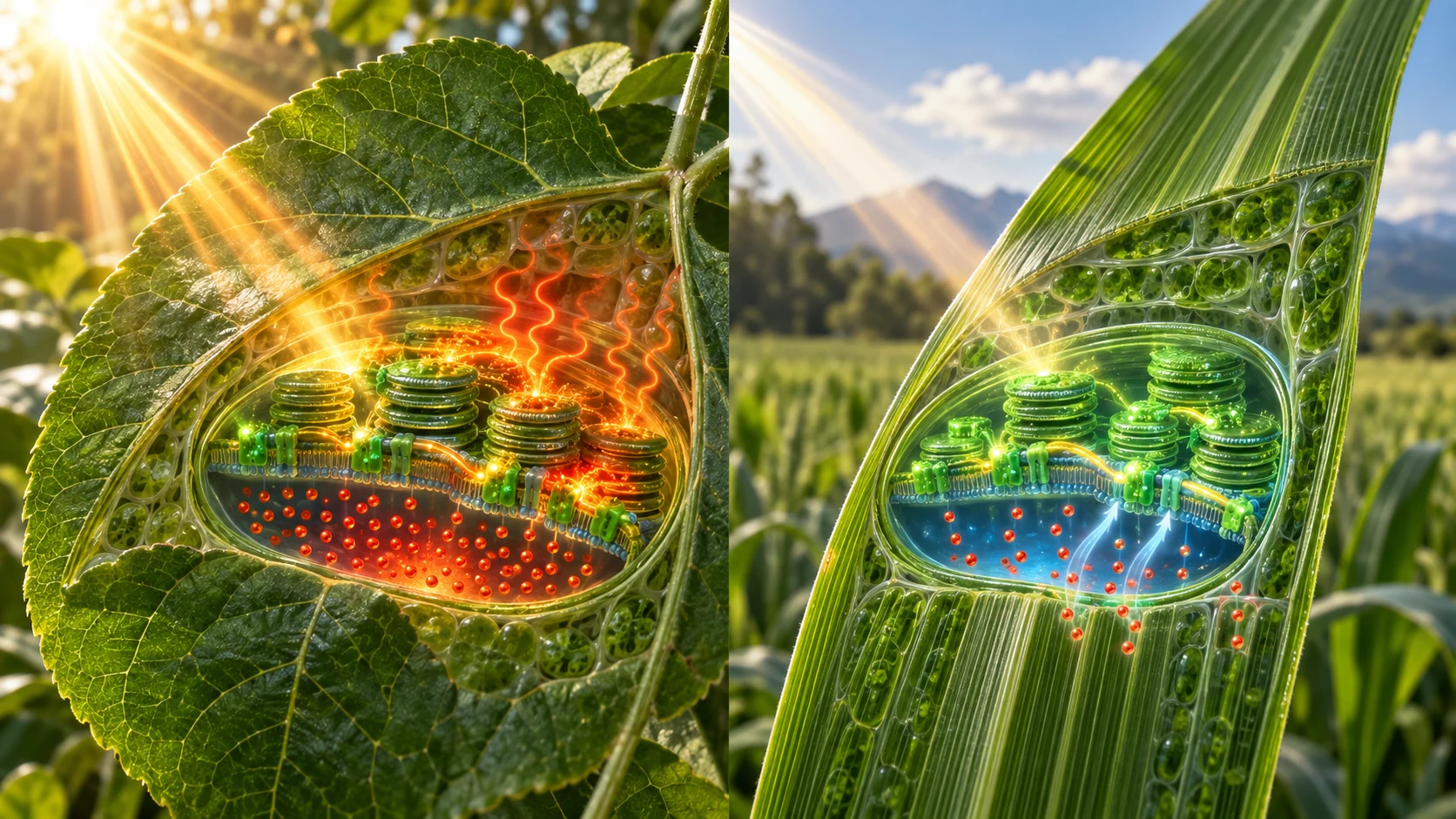
Acceleration of photoprotective nonphotochemical quenching (NPQ) responses to changes in light intensity has been suggested as a strategy to enhance crop yield. Our current understanding of NPQ overwhelmingly comes from C3 species, and despite many key crops being C4, separating the impact of photosynthetic pathway from species-specific effects is complicated by the large evolutionary distance between most C3 and C4 species. By conducting a series of experiments on C3 and C4 species from Alloter
Soils support substantial biodiversity that is crucial for ecosystem functioning. Nematodes represent one of the most abundant and diverse groups of soil metazoans, playing essential roles in soil food webs and various ecosystem functions. However, the scale-dependent factors associated with their diversity remain poorly understood. In this study, we aimed to examine the factors associated with soil nematode α-, β-, and γ-diversity across multiple spatial scales and elucidate nematode community
Geophytes are plants that produce underground storage organs such as tubers, rhizomes, and bulbs, to facilitate asexual reproduction and withstand a myriad of environmental challenges. While the potato ( Solanum tuberosum L.) serves as the primary model for studying tuberization, the genetic mechanisms encoding this trait across diverse angiosperm lineages remains unclear. This study utilized a phylogenomic-transcriptomic approach to compare tuber development across nine tuberizing species with
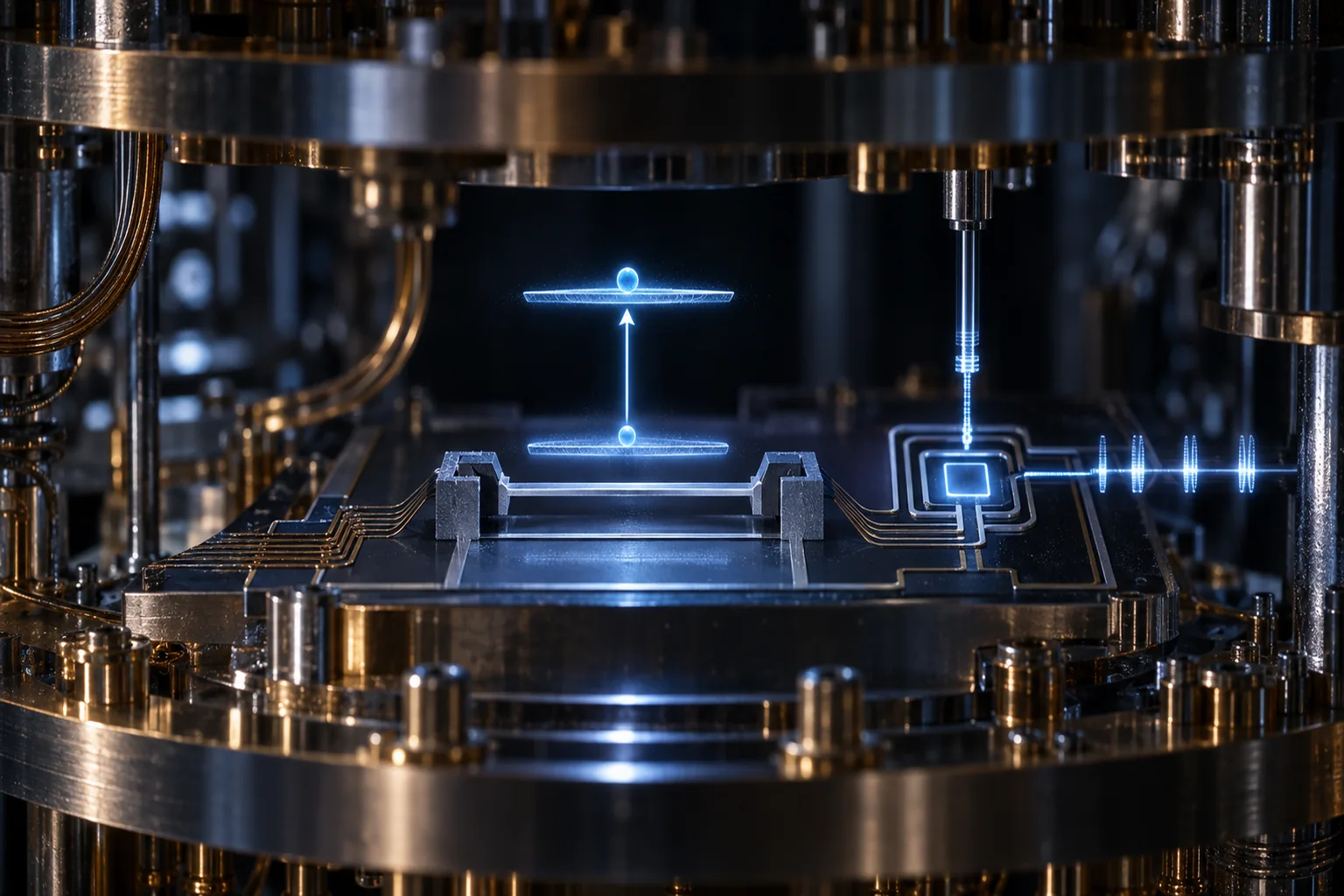
Quantum mechanics predicts that a vibrating object’s energy comes in discrete packets, yet no measurement of its position reveals this discreteness. Resolving individual energy levels requires a qualitatively different measurement, one coupling to the resonator’s energy rather than its displacement. We use a superconducting qubit dispersively coupled to a nanomechanical resonator to perform repeated quantum nondemolition measurements of the phonon number. An aligned transfer-print technique inte
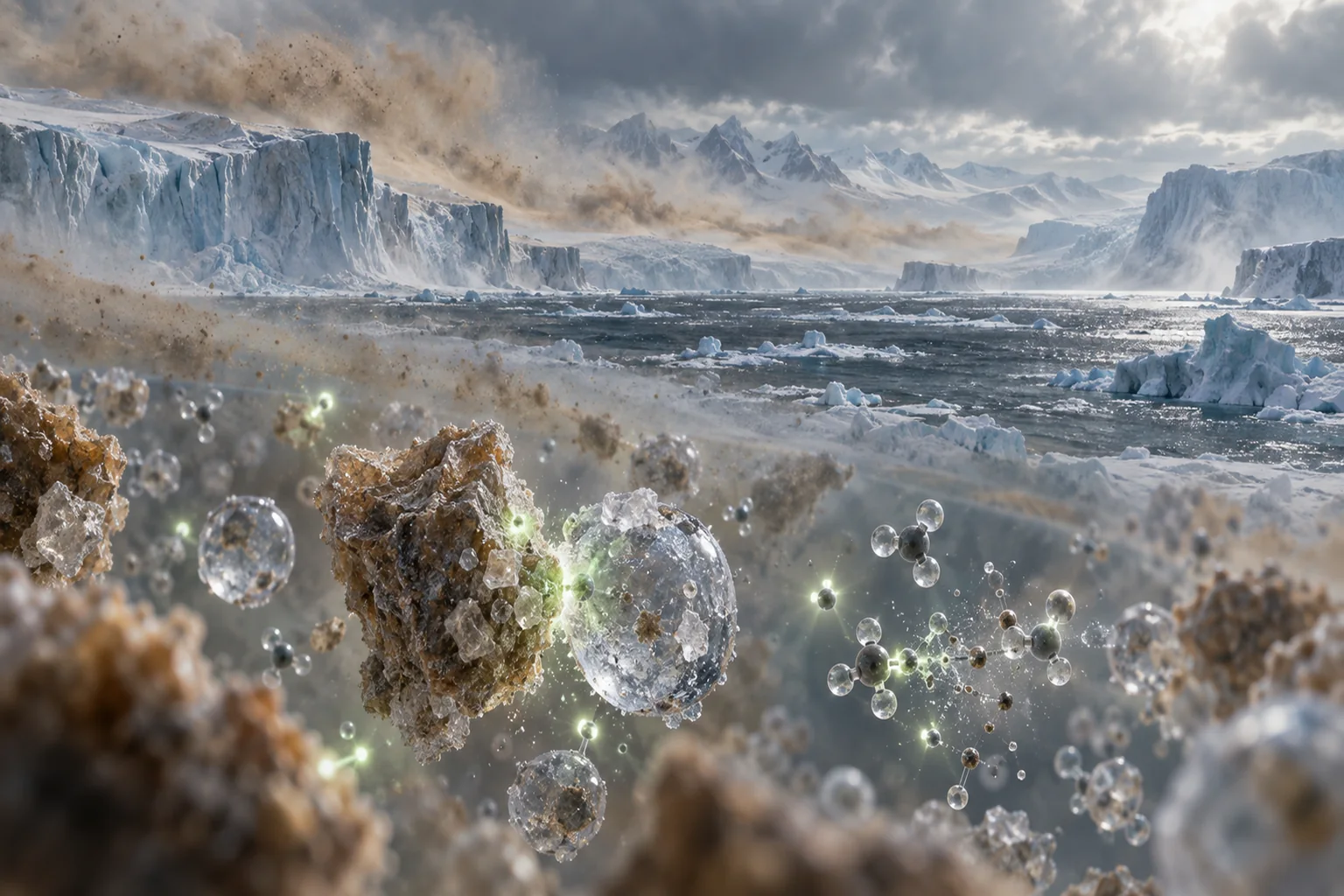
Atmospheric methane (CH 4 ) plays a central role in Earth’s climate, yet the drivers of its decline during the high-dust conditions of glacial periods, such as the Last Glacial Maximum (LGM), remain uncertain. Previous explanations imply source-driven changes, assuming an atmospheric lifetime comparable to that of present day. Recent work shows that interactions between mineral dust and sea salt aerosols produce CH 4 -removing chlorine radicals. In this work, we show that during the LGM, CH 4 li
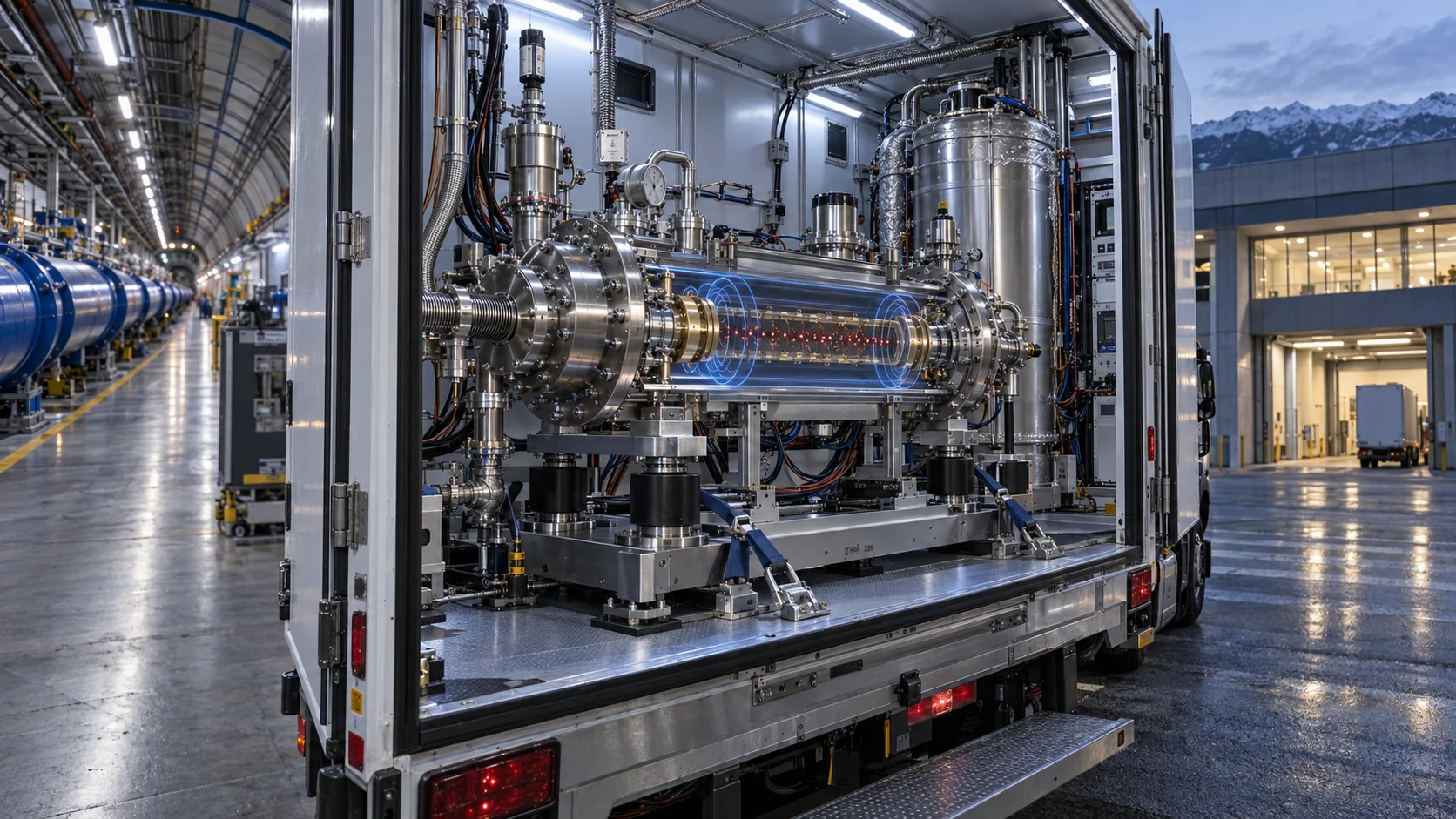
Low-energy antiprotons confined in ultrahigh-vacuum Penning traps 1 enable precision investigations of charge, parity and time-reversal (CPT) invariance 2 to test the fundamental symmetry between matter and antimatter. These studies are driven by the search for physics beyond the standard model of particle physics, including efforts to explain the observed cosmological matter-antimatter asymmetry. Until now, such experiments have only been possible at CERN's Antimatter Factory 3,4 . At pres