Environment

Spatially refined satellite gravimetry captures human signatures in global terrestrial water storage trends.
| Source: Proceedings of the National Academy of Sciences of the United States of America

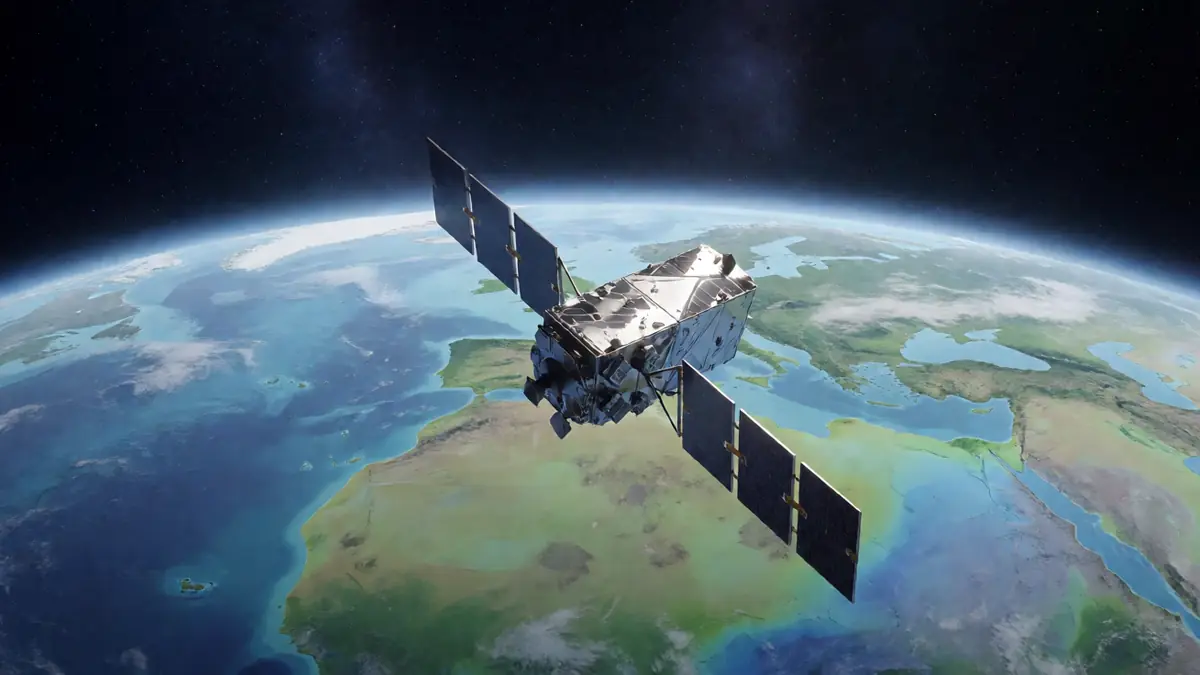
Human activities have directly altered the water cycle through water management, aquifer pumping, agricultural irrigation, and land use change. Although satellite gravimetry has transformed global hydrological research, its coarse resolution limits attribution of freshwater change to human activities at many management-relevant scales. Here we assessed global terrestrial water storage (TWS) trends from April 2002 to November 2025 using "stacked" regression of Level-1B intersatellite ranging data

Human activities have directly altered the water cycle through water management, aquifer pumping, agricultural irrigation, and land use change. Although satellite gravimetry has transformed global hydrological research, its coarse resolution limits attribution of freshwater change to human activities at many management-relevant scales. Here we assessed global terrestrial water storage (TWS) trends from April 2002 to November 2025 using "stacked" regression of Level-1B intersatellite ranging data, which leverages temporal information and variability to dramatically improve effective spatial resolution relative to standard approaches. We combined this refined product with rigorous uncertainty analysis, autocorrelation-robust geostatistical methods, and literature assessment to evaluate TWS trend associations with land and water use, climate variability, and glacial mass loss. We identified 40 TWS trend hotspots exhibiting significant spatial associations with anthropogenic drivers, including groundwater and surface-water irrigation, rainfed agriculture, deforestation, and reservoir impoundment. Across these regions, cumulative TWS losses (3,122 Gt) substantially exceeded gains (2,432 Gt). Compared with traditional regression of monthly mascons, our approach yielded regional trend magnitudes that are on average 33% larger, revealing that global freshwater depletion, particularly from groundwater pumping, is considerably more acute than previously estimated. Multivariate regression models show that humans account for a significant share of the spatial variability in TWS trends on every nonpolar continent except Australia. We detected localized TWS gains linked to rainfed agriculture, surface water irrigation, and reservoir filling that were unresolved in earlier gravimetric studies. The methodology provides a foundation for future gravity missions to independently track decadal freshwater change with unprecedented spatial fidelity.
Read the original source →

Related Stories

Environment

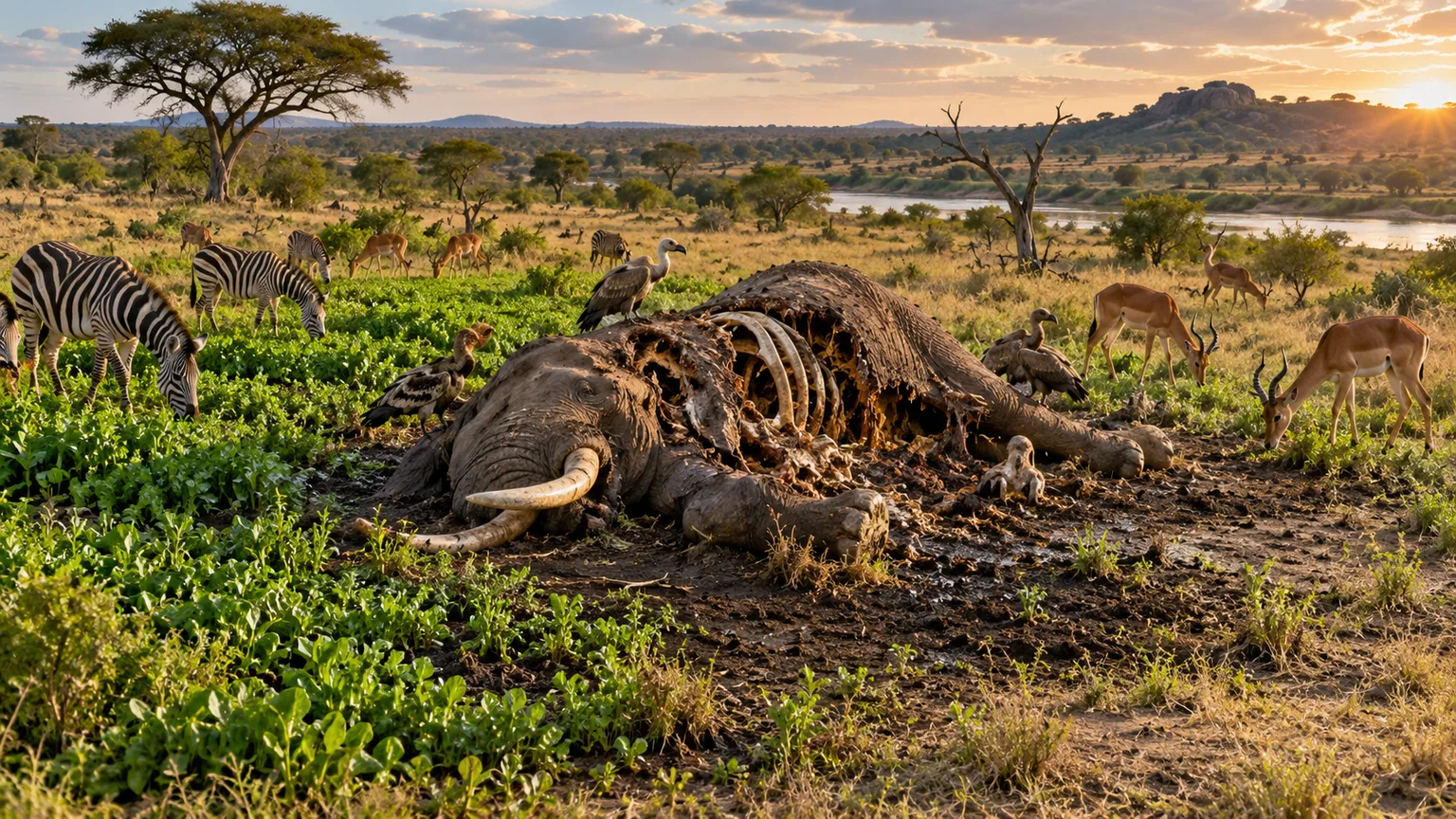
Nutrient legacies from elephant megacarcasses create coldspots of biodiversity and hotspots of ecosystem processes.

Terrestrial megafauna (animals >1,000 kg) have substantial impacts on ecosystems while alive; yet, we know little about the impacts of these ecosystem engineers after they die. Like whale carcasses in the ocean, terrestrial megacarcasses may leave ecological legacies via the nutrient pulses they create on the landscape. Here, we investigated the impact of elephant megacarcasses on savanna ecosystems in Kruger National Park, South Africa. To determine how elephant carcasses affect below- and a

Continue reading
Environment

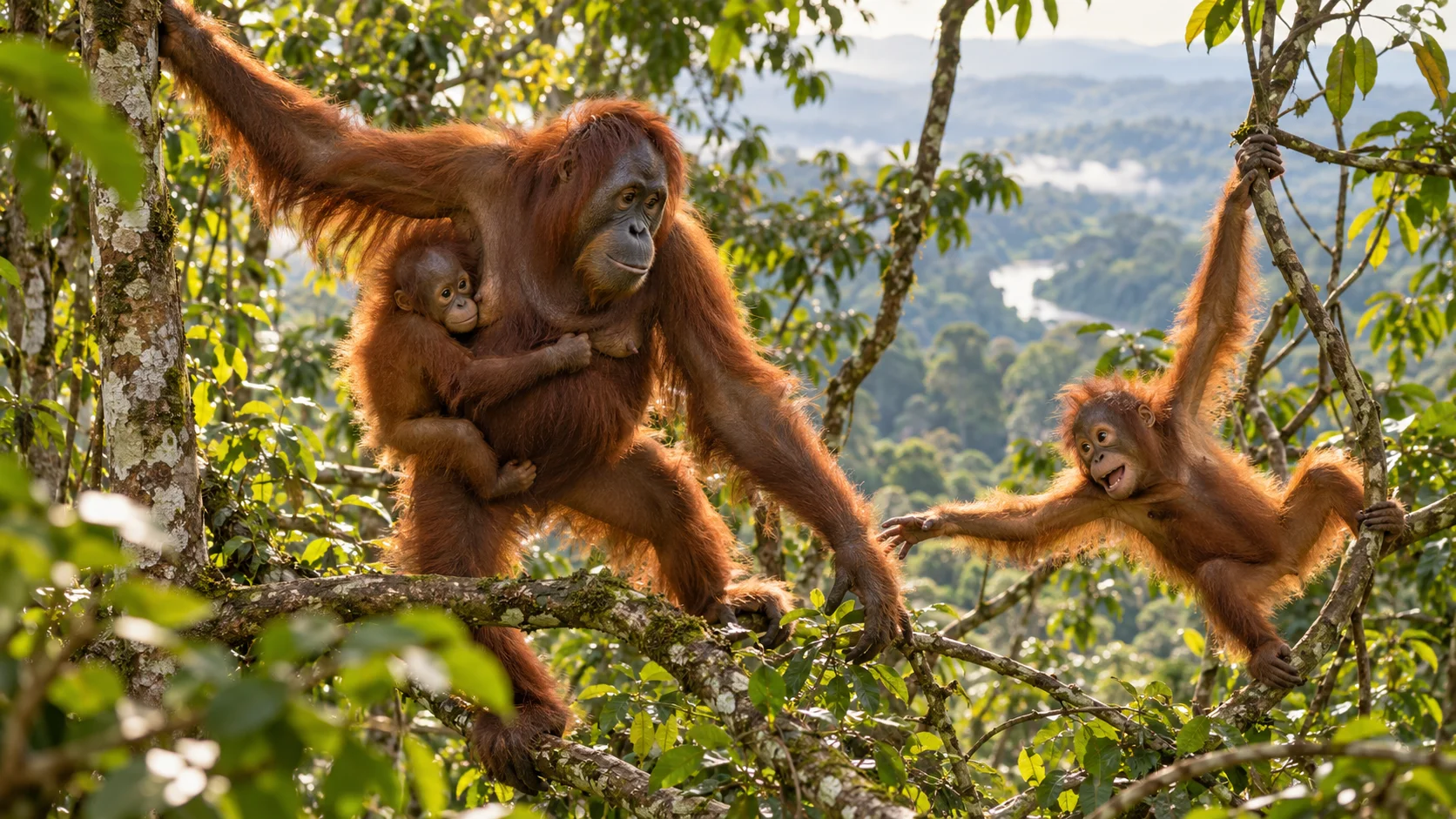
Maternal ranging strategies facilitate offspring social play at energetic cost in the most solitary ape.

In most vertebrates, social play among peers is considered essential for behavioral development. Yet in solitary species bearing single offspring, opportunities for social play are inherently scarce. Whether mothers of such species actively facilitate play opportunities for their offspring, and at what cost, remains unknown. We used 15 y of behavioral and movement data (∼32,600 observation hours) from 31 wild Bornean orangutan ( Pongo pygmaeus wurmbii ) mother-offspring pairs to test whet

Continue reading
Environment

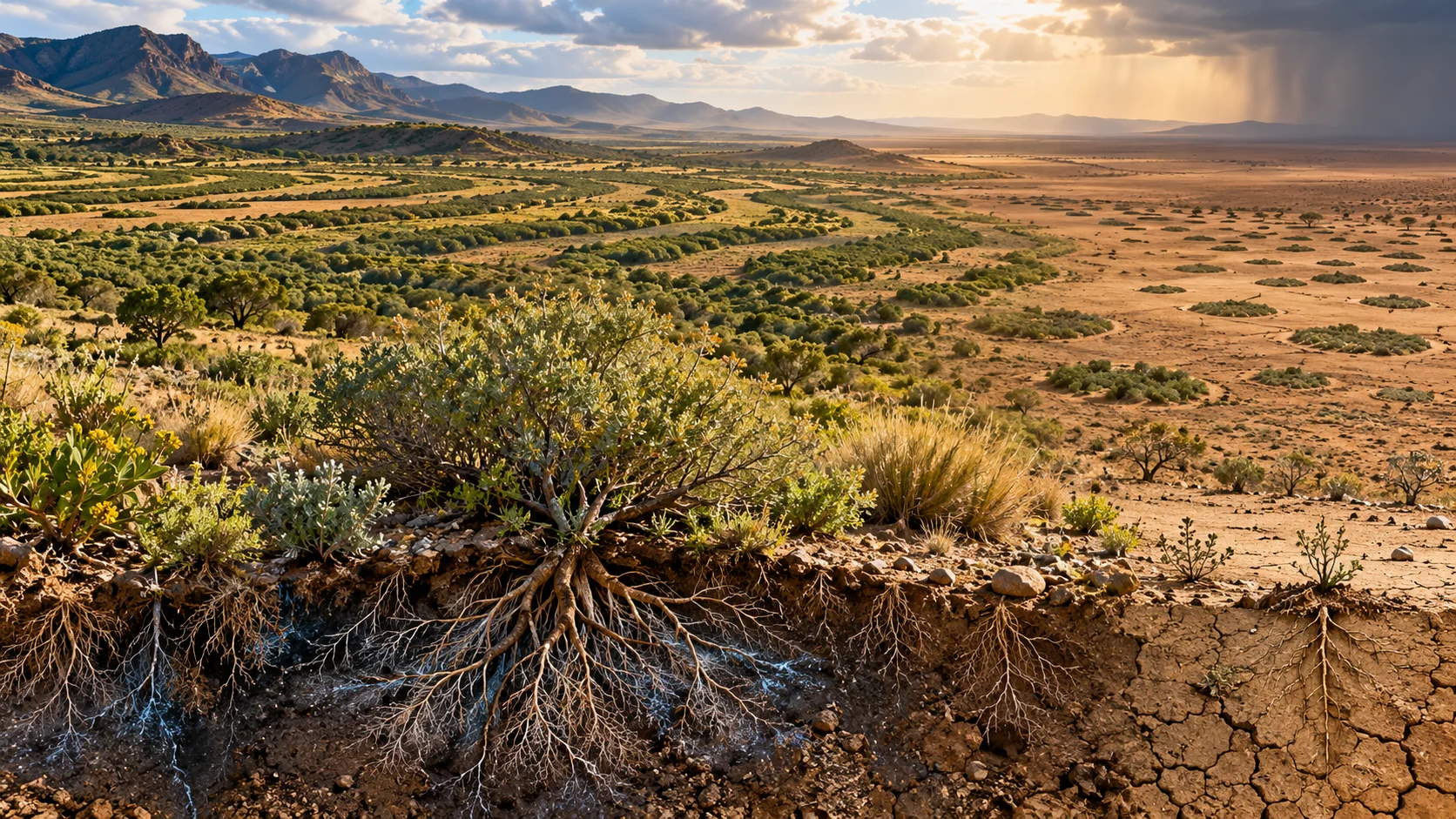
Evolution shapes ecosystem resilience through spatial self-organization.

Drylands are globally widespread and ecologically important but vulnerable to climate change. Many exhibit spatially self-organized vegetation patterns that enhance resilience by enabling vegetation to reorganize their patterns under drying, thereby optimizing water use and maintaining productivity. Plants can also undergo evolution in response to environmental change. Although both spatial self-organization and rapid evolution are fundamental mechanisms of resilience, their interaction remains

Continue reading
Environment

Continuous UV irradiation played an inconclusive role in selecting the canonical genetic alphabet.

An abundance of heterocyclic molecules analogous to canonical nucleobases (i.e., adenine, thymine, guanine, cytosine, and uracil) used as the genetic alphabet in DNA and RNA could have been present in various prebiotic environments on early Earth. However, extant biology generally uses the canonical nucleobases and nucleosides as the genetic alphabet, and not any number of possible noncanonical counterparts. Ultraviolet (UV) irradiation was likely abundant on the surface of the early Earth and h

Continue reading
Environment

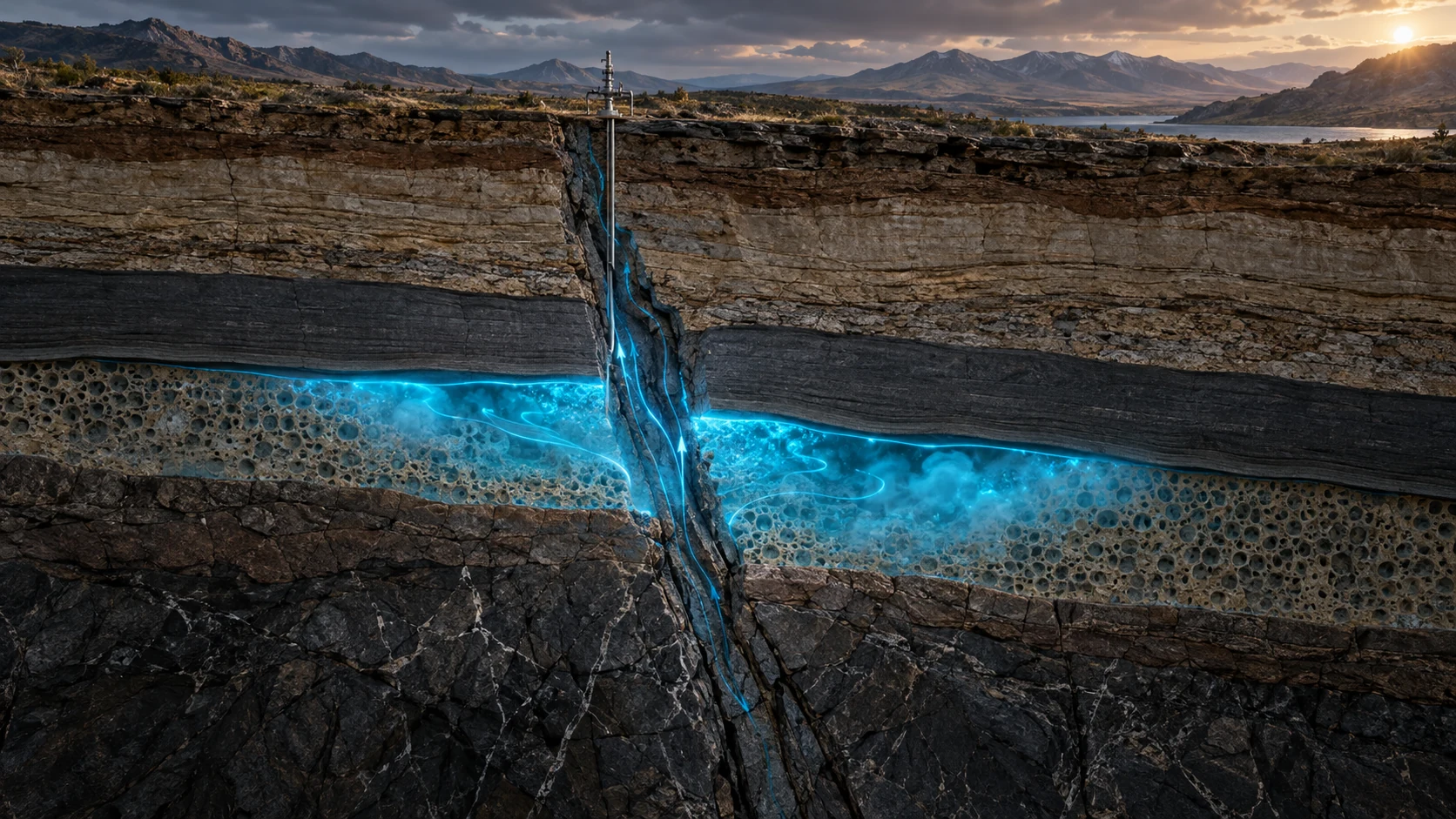
Fault-controlled natural hydrogen reservoirs as underground hydrogen storage sites.

Underground hydrogen storage requires geological formations with demonstrated hydrogen containment, yet no conventional storage candidate (salt caverns, aquifers, or depleted hydrocarbon reservoirs) offers direct, prior evidence of H 2 -specific sealing. We propose that subcommercial natural hydrogen reservoirs, where H 2 has accumulated over geological timescales, can serve as precertified storage sites. This proposition is evaluated using the Bulqizë fault-controlled natural H 2 reservoir

Continue reading