Historical narratives of early colonization in Quebec frequently portray French-Indigenous relations as cooperative and characterized by admixture; which are often mobilized in modern debates on false-indigeneity. These narratives have been studied through genealogical, genetic, and bioarchaeological analyses, yet individuals of African descent remain mostly absent from them, while Indigenous peoples are framed largely in relation to colonists. Notre-Dame Cemetery (1683-1796) in Tiohtià:ke-
This article argues that human cognition is more than the performance of functions such as memory, decision-making, and attention. The brain also builds schematic models of those cognitive functions and uses those models to monitor, predict, and partially control them. When you introspect, your understanding of who you are and what is happening inside of you is derived from those schematic, sometimes inaccurate, but generally useful models, rather than from the actual cognitive functions that ar
Social networks shape behaviour, affect information dissemination and undergird collective action. And they can be exploited in the design of interventions in these domains 1-7 . Although social networks obey fundamental principles, such as the degree distribution 8,9 , they can nevertheless evolve as ties form and break. Here, through a randomized controlled trial involving a total of 8,331 people in 110 remote Honduran villages, we evaluate the secondary effects of a 22-month public-health int
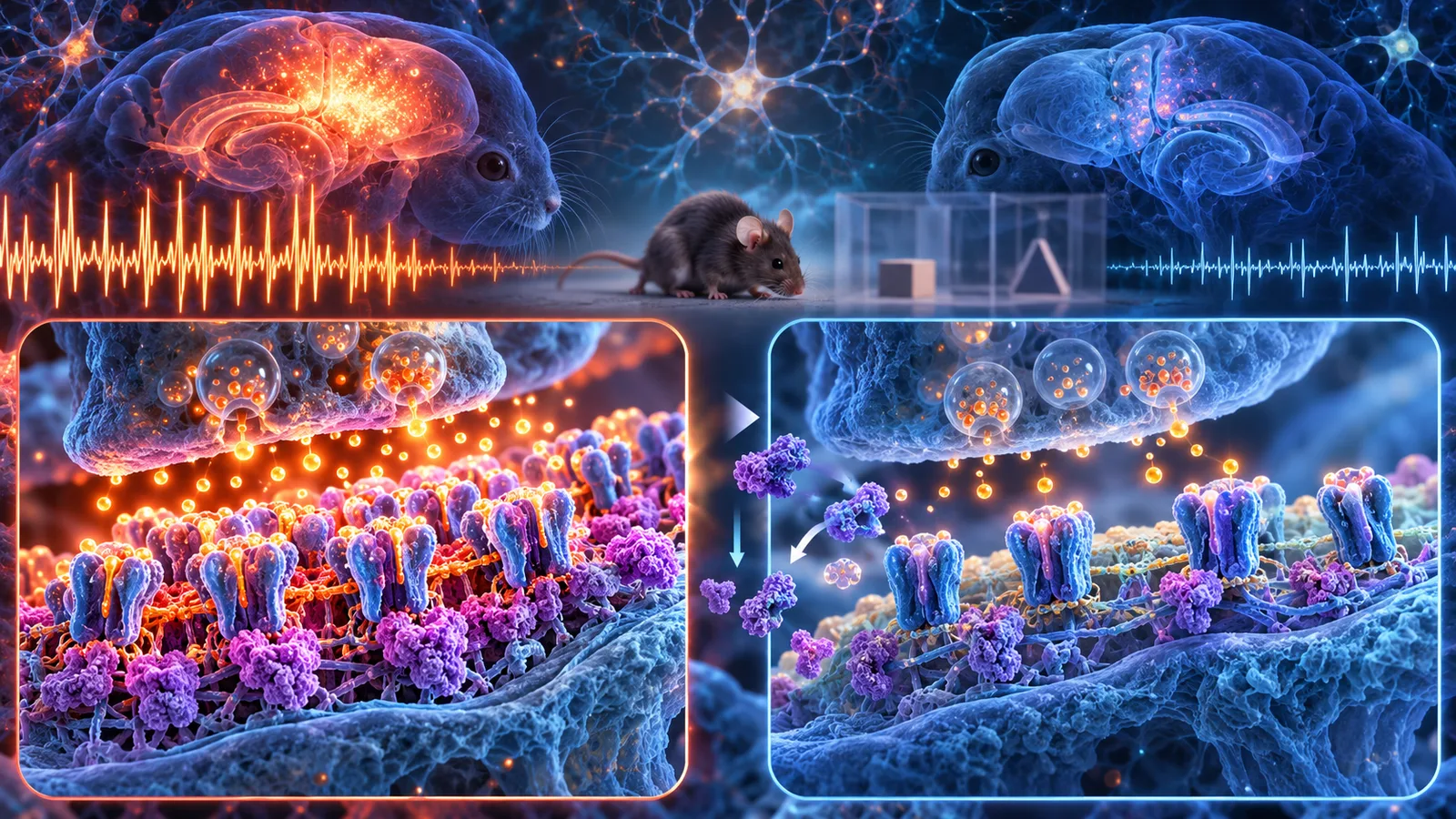
Myocyte enhancer factor 2C (MEF2C) is a transcription factor critical for brain circuit development and cognitive behavior. The loss of one copy of MEF2C leads to MEF2C haploinsufficiency syndrome (MCHS), a neurodevelopmental disorder characterized by intellectual disability, epilepsy, and behavioral phenotypes associated with autism spectrum disorders. Given that numerous genes are regulated by MEF2C, the neuronal and behavioral deficits in MCHS are complex, and there is currently no effective
A variety of pathogens that cause acute disease can also affect their host long after recovery. These post-infection effects lead to elevated costs for individuals and societies, which can be mitigated by large-scale interventions. Here, we examine the management of post-infection morbidity with mathematical models. First, we show that long-term usage of nonpharmaceutical interventions can reduce post-acute burden. Second, to investigate how post-infection effects affect optimal vaccination cove
Privacy-preserving analytics such as differential privacy are designed to allow the analysis of sensitive datasets while protecting individuals' privacy. Their deployment, however, has been controversial. Critics maintain that statistical noise injected to preserve privacy can degrade the quality and feasibility of social science research. We select a benchmark of empirical findings from 93 published social science studies involving regression analyses over aggregate statistics. We evaluate whet
Abstract We study how online job search advice affects job search behavior and labor market outcomes of unemployed workers. In a large-scale field experiment embedded in the online platform of the Danish public employment service, we provide job seekers with vacancy information and occupational recommendations. Using a two-stage randomized design with regionally varying treatment intensities, we examine both direct effects of advice and treatment spillovers. We find that advice significantly inc
Abstract Quality regulation seeks to ensure quality and foster competition by reducing vertical differentiation, but it may also have adverse effects on market structure. We study this trade-off in the context of pharmaceutical bioequivalence, which is the primary quality standard for generic drugs. By exploiting the introduction of bioequivalence in Chile, we find that stronger regulation reduced the number of drugs in the market by 18% and increased average paid prices by 13%. We estimate a mo
Abstract This paper studies the impact of MOOC certificates on labor market outcomes using a Coursera initiative that offered free certificates during the COVID-19 pandemic. Although eligibility for free certificates was randomized, course completion rates were low-only 6.2% of eligible participants completed at least one course-so we rely on an event-study design to estimate the effects of receiving a certificate. The results show that MOOC certificates increases formal employment by about 5 pe
Abstract We study a neoclassical growth model with population growth and heterogeneous agents. The model can be interpreted as either a Ramsey model with heterogeneous discounting and entry of new agents with zero endowments or an OLG model with infinitely-lived agents with different discount factors. We prove that, in the unique stationary equilibrium, agents other than the most patient may hold capital. Introducing public debt, a labor income tax, or a capital subsidy allows more agent types t
Abstract We show that gambling-style behaviour is important in politics: politicians ‛gamble for re-election‚ in the context of a political leader selection. We exploit unique access to leaked information on MPs' individual decisions in the 2021 leadership election of Germany's centre-right parties. MPs are more likely to vote for a riskier candidate when facing lower re-election chances. These results match the predictions derived from our model of rational risk-taking. Gambling for re-election
Abstract To study competition, innovation, and industry dynamics that arise as a result of their interaction, we develop a new oligopolistic general-equilibrium Schumpeterian growth model. This model ties together the endogenous growth, oligopolistic competition, and dynamic industrial organization literatures in a single unified framework. Within each industry, there are an endogenously determined number of large firms (“superstars”) that compete á la Cournot and a continuum of small firms whic
Abstract Efficient adaptation to fluctuating market conditions is critical to economic agents’ survival and prosperity. Although theory highlights the value of relational contracts in facilitating adaptation, empirical evidence remains limited. Using wholesale transaction data, we show that a buyer initially sourcing on the spot market may repeatedly trade with a seller, offering a price premium in exchange for a relational contract that assures supply. The relational premium adjusts strategical
We report herein phototropic growth toward, and skototropic growth away from, an incoherent, unstructured, low-intensity light stimulus in the deposition of nonliving, inorganic material. Fundamental light-matter interactions yield growth of inorganic deposits with ordered mesostructures that are a function of the characteristics of the light stimulus. Illumination at normal incidence, as well as at substantial inclination, resulted in phototropic growth toward the direction of incidence. Howeve
Quorum sensing (QS) enables common gram-negative bacteria to coordinate collective behaviors through small molecule signals, yet how these signals tune receptor activity remains incompletely understood. Here, we define a mechanism by which ligand structure controls function in a LuxR-type QS receptor. Using structural and biochemical analyses, we investigate MrtR from Mesorhizobium tianshanense and show that ligand acyl-chain length governs receptor assembly and activity. We present full-length
Helping others is an integral part of human sociality, but systematic cross-cultural comparisons of children's helping behavior are rare. Existing work has mainly focused on interactions between adults and children, paying less attention to peer dynamics-which are more relevant in many cultural settings. Here, we report a study of 4- to 9-y-old children's (N = 336) spontaneous helping in 6 highly diverse populations in Latin America, Africa, and Europe (Wichí, Quechua, ≠Akhoe Hai||om
Abstract When financial constraints bind, firms adjust employment in response to cash flow shocks. A 2010 revaluation of business rates, a UK tax levied on business-occupied properties, implied that similar firms, occupying similar properties in narrow geographical locations, experienced different tax changes. I find that, on average, for every £1 of additional cash flow triggered by the tax change, 39 pence were spent on employment, with small and leveraged firms responding the most. I use thes
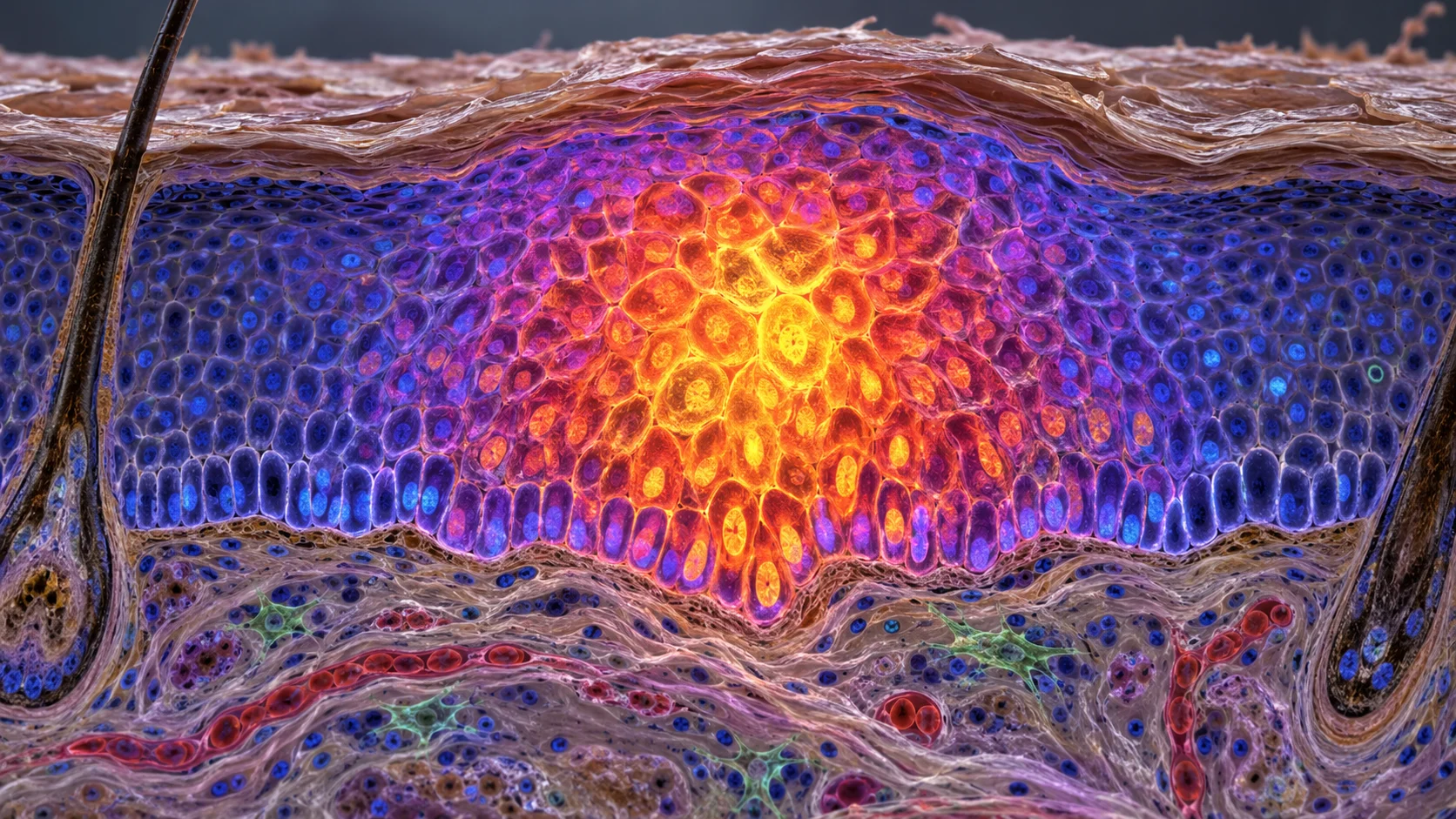
Although tumor protein p53 ( TP53 ) mutations are among the most common lesions in epithelial cancers, how p53 loss drives unrestrained clonal expansion remains unclear. Working with mouse epidermis, we found that p53 suppresses clonal expansion by limiting progenitor self-renewal. Integrating chromatin immunoprecipitation sequencing, transcriptional analyses, and genetic screens, we identified a p53-dependent network controlling progenitor renewal and differentiation, in which secreted frizzled
Regional polities may emerge from the development of a centralized hierarchy of a specific political regime, or from bottom–up patterns of interaction and collective action, especially mutual defense. In this study, we assess the proposition that the development of late pre-Hispanic polities of the south-central Andes was significantly shaped by defensive networks of pukaras (hillforts), which were in turn shaped by variable affordances for fortification in the mountainous Andean landscape. Puka
Land use and land conversion for agriculture contribute nearly a quarter of global greenhouse gas (GHG) emissions, making the sector a key priority for emissions reductions. Crop yields are one factor that modulate agricultural land demand, with, all else equal, global land use change increasing with yield declines and decreasing with yield gains. Therefore, agricultural practices drive both direct, on-farm emissions, and indirect land use change emissions through yield effects. Here, we couple
People tend to choose the options they look at more. Prior work explains this effect by assuming that visual attention increases preference for the attended option. However, it remains unclear why looking at an option increases its preference and when this relationship is weakened. Using an experimental paradigm that combines eye-tracking and a think-aloud protocol, we provide evidence that visual attention shapes preference by activating attributes associated with the attended option. Criticall
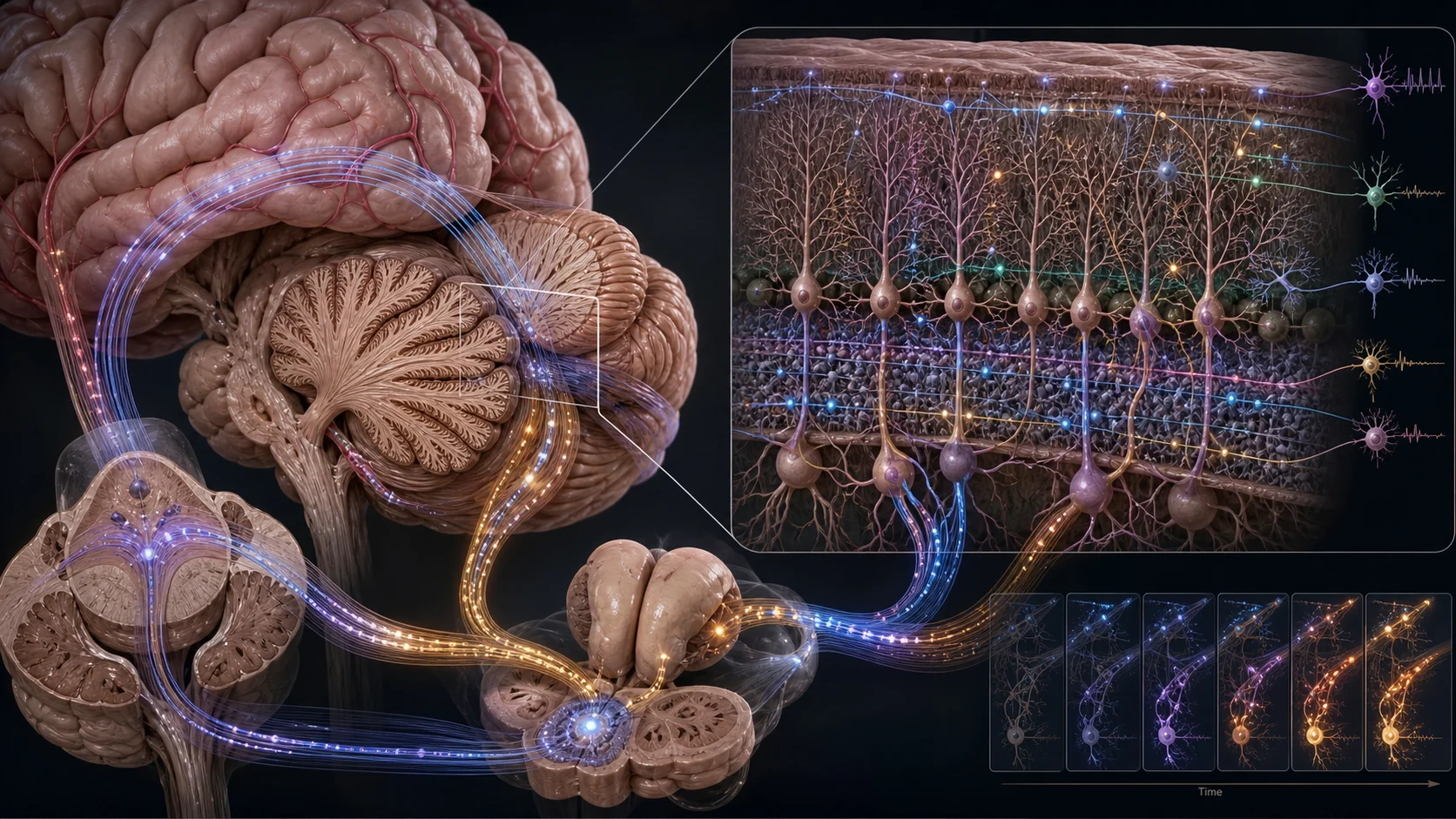
The cerebellum is increasingly implicated in perceptual decision-making, yet it remains unclear how the cerebellar cortex can support sparse evidence accumulation over behavioral time scales without assuming cortical-style dense local excitatory recurrence. We present a biologically constrained modeling framework showing that cerebellar microcircuits can implement graded accumulation and competition in the absence of such recurrence. In our model, type-II Purkinje-neuron excitability generates f
Alzheimer's disease and related dementias are typically described at two levels: the accumulation of molecular pathology and the emergence of cognitive impairment. Understanding the relationship between pathology, often studied in animal models, and human cognition will require measurements spanning intermediate scales, including single neurons, neuronal populations, and distributed networks. Here we combine longitudinal measurements of behavior and neuronal population activity with fluid and hi
Animals in groups obtain information from social partners to engage in adaptive behaviour 1-3 . Social information transmission is observed in fish schools 4-6 , bird flocks 7,8 and human groups 9,10 , but the neural representation of such socially acquired information is poorly understood 3,11,12 . Here we show that, in the schooling glassfish Danionella cerebrum 13-15 , collective escape from danger can be mediated by an individual's visual perception of other escaping animals. To understand t
Of the classic psychedelics, lysergic acid diethylamide (LSD) is perhaps the best-known, but its complex chemical architecture has limited synthetic investigations aimed at generating analogues with improved safety and efficacy profiles. Here, we systematically deconstruct the tetracyclic ergoline core of LSD to create 9 simplified ergoline analogues (i.e., ergologs) and evaluate them in pharmacological assays relevant to 5-HT2A, 5-HT2B, and 5-HT2C receptor function. Our work revealed the key mo
Across the United States and Europe, urban and periurban spaces have historically been shaped by land dispossession and enclosure that systematically exclude marginalized, non-White communities from the benefits of society, including access to nature. These dynamics, which have played out and perdured over centuries as part of historic land dispossession and recent green racial capitalism, form the bedrock of contemporary urban segregation and socioecological inequalities. As a result, we see th
Guns are more prevalent in academic spaces than ever before. Some policy makers have proposed that educators carry guns in schools as a means of self-defense and to protect students, and several states explicitly permit the possession of guns on college campuses. But the psychological consequences of being around guns are relatively unknown. In two preregistered experiments, we tested the hypothesis that being in the presence of a gun undermines cognitive control in a laboratory setting. In both
White nationalism has become increasingly visible in American public life 1-10 . Yet we lack knowledge of the predictors and prevalence of explicit support for this ideology, as survey research has treated it as a latent construct captured through indirect indicators 11-15 . We introduce and validate a measure that informs respondents of the core tenets of the white nationalist movement and then asks whether they support the movement. Expressed support is distinct from organizational affiliation
One of psychology's most ubiquitous findings is that of robust ingroup preference, an explicitly stated human preference for the groups to which we belong. The advent of implicit measures of social cognition introduced a paradoxical result: Compared to members of higher-status groups, members of lower-status groups often show no implicit ingroup preference, sometimes even showing outgroup preference, a result rarely observed on explicit measures. Prevailing theories have provided macro-level acc
Although recognizing emotions from facial expressions appears effortless, the field is divided between vision-based accounts, which posit matching to learned visual templates, and embodied accounts, which posit recruitment of facial motor circuits. We propose an ambiguity-gated, developmentally calibrated architecture in which the recognition system draws on sensorimotor information primarily when visual evidence is insufficient, with early motor experience proposed to shape the threshold and ga
Inferring the underlying computational processes from behavioral measurements is a fundamental approach in cognitive science and neuroscience. Although Bayesian decision theory has become a major normative framework for modeling perception and cognition, it is unclear to what extent its modeling components (i.e., prior belief, likelihood function, and loss function) can be recovered from behavioral data. Here, we systematically investigated the problem of inferring such Bayesian models from beha
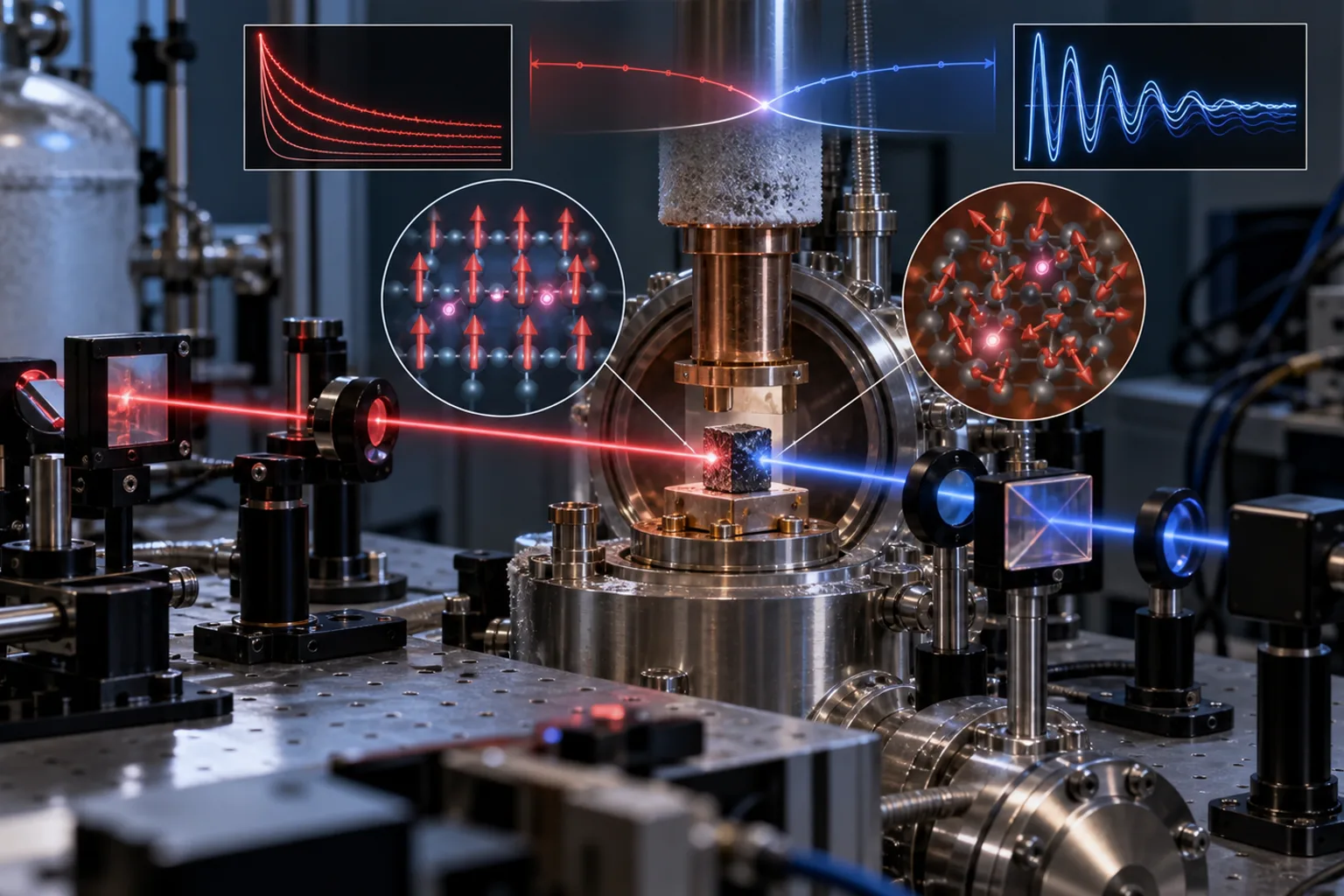
Across regular phase transitions, systems remain in thermal equilibrium. However, when a system is driven far from equilibrium, non-Hermitian phase transitions may arise where the dynamical behavior—rather than steady properties—undergoes a qualitative change at a critical, so-called exceptional point. We experimentally realize a non-Hermitian phase transition in a bulk condensed-matter system. Optical excitation creates charge carriers in ferromagnetic europium monoxide. In a temperature-depend
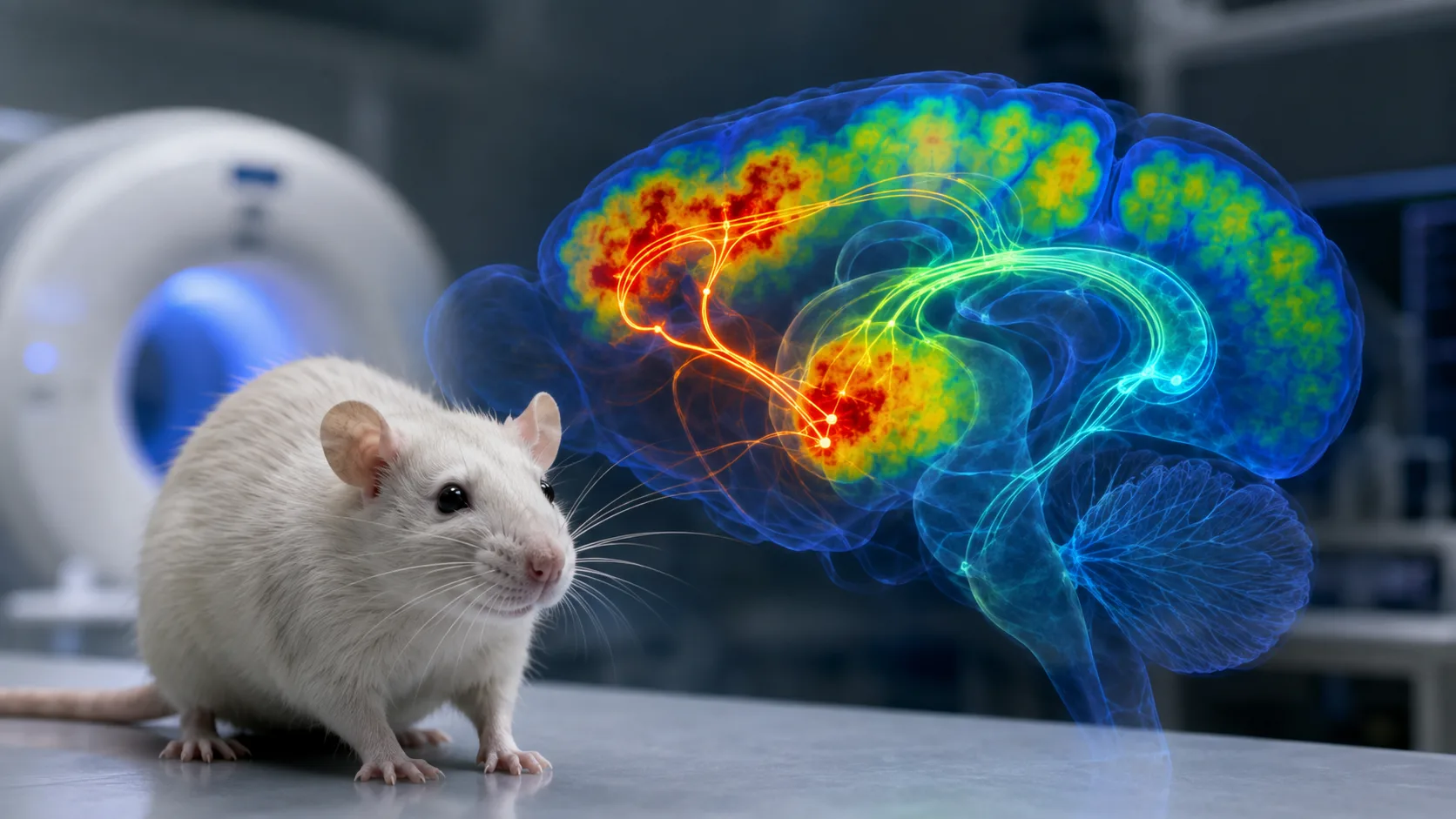
Only a subset of heroin users develop addiction, characterized by binge-like heroin use and preference for heroin over other rewards, including social rewards. We recently established a rat model that captures these features. We trained rats to lever-press for social interaction and heroin (or saline, control) infusions and then tested heroin and social seeking and heroin-vs.-social choice. During 3 to 5 abstinence weeks, we used 2-deoxy-2-[ 18 F]fluoro-D-glucose (FDG) positron emission tomograp
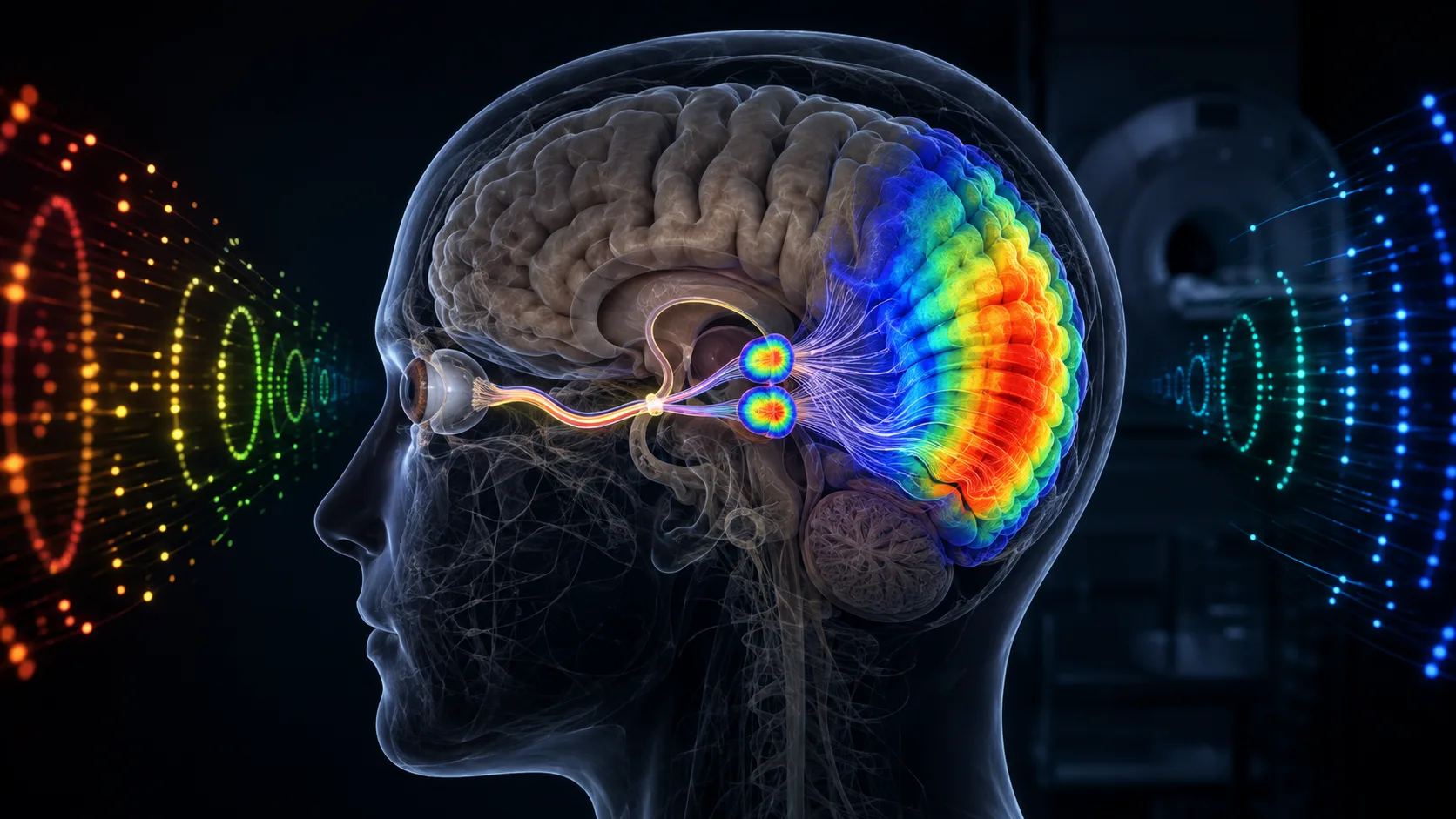
The absence of input from one sense can lead to a greater emphasis on the remaining senses, resulting in heightened performance. Numerous behavioral studies demonstrate that adults who have been deaf from an early age have superior visual sensitivity, particularly to far-peripheral stimuli. We asked whether the increased demand on peripheral vision throughout development that comes with early, profound deafness might be reflected in changes in early visual brain structures. Using functional MRI,
The Austronesian dispersal is the largest such event in human history, with descendants of people from Taiwan colonizing islands from Rapa Nui to Madagascar. The extent to which this dispersal was facilitated by an economic package or a particular ideology is uncertain. The "Austronesian Painting Tradition" (APT) is a distinctive rock art style dominated by paintings of small human figures, boats, and geometric motifs found in eastern Wallacea and islands around New Guinea. The age of the APT is
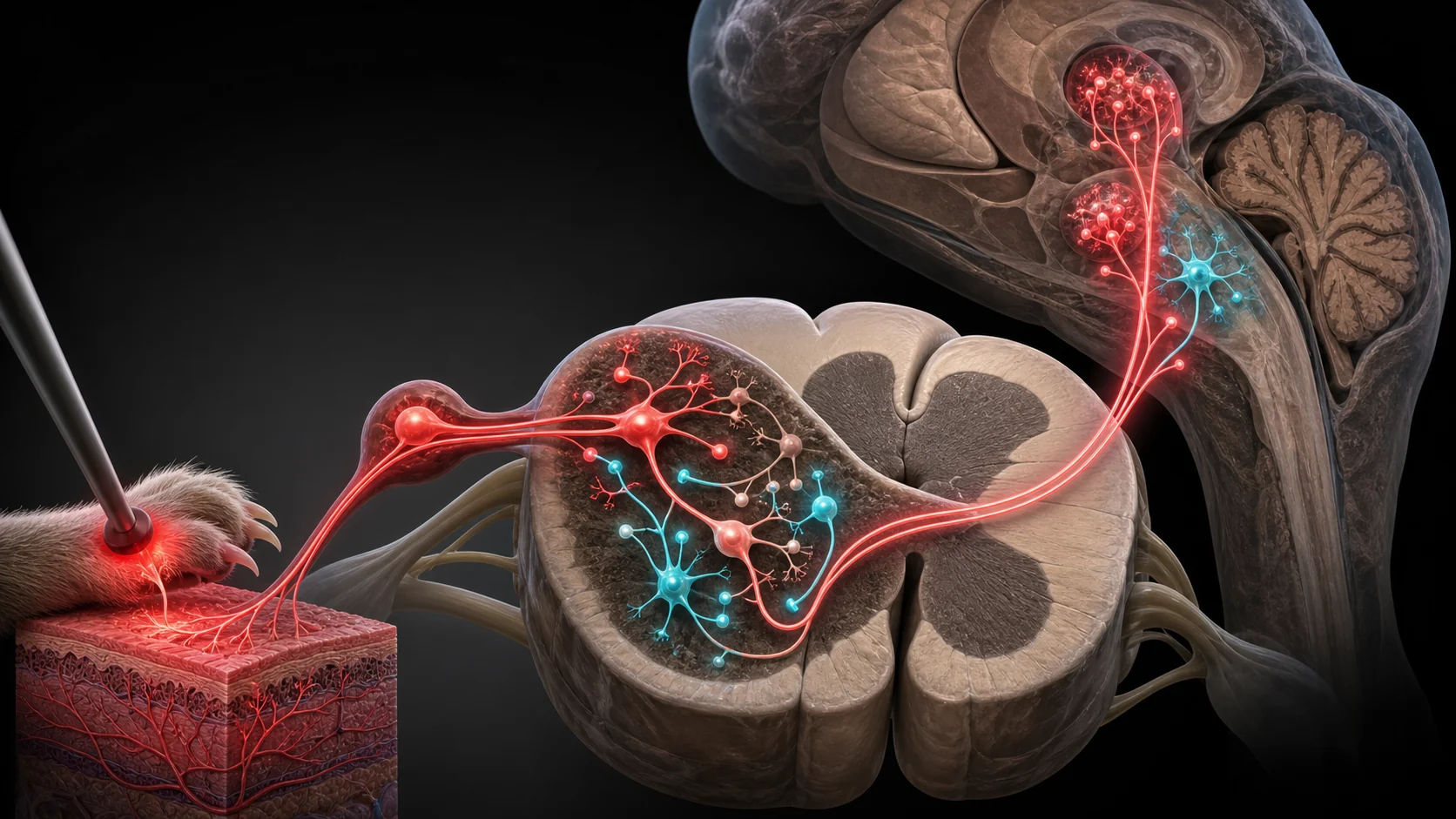
Spinal projection neurons (SPNs) relay somatosensory information to the brain, yet how molecularly defined SPN subsets transmit noxious mechanical signals to drive nocifensive behaviors remains unclear. Here, we identify Sncg -expressing SPNs ( Sncg + SPNs) that convey noxious mechanical signals through a spinoreticular ascending pathway. Using intersectional genetics, anatomical tracing, and pathway-specific manipulations in mice, we show that Sncg + SPNs project predominantly to the parabrachi
The grass family (Poaceae) has immense economic and ecological importance and exhibits distinctive metabolic traits, including dual starch and lignin biosynthetic pathways. We sequenced the genomes of Pharus , Joinvillea , Ecdeiocolea , and Typha species to investigate when and how these metabolic innovations evolved relative to the origin of the grass family. The rho whole-genome duplication (ρWGD) within the lineage that led to the last common ancestor of all grasses contributed to the g
Europe has experienced extreme floods in recent decades. However, even larger floods are possible and must be considered in flood risk management 1,2 . Their characteristics can be clarified by analysing the largest documented historical floods. In Central Europe, the Magdalena Flood of July 1342 is usually considered the largest of the last millennium; however, knowledge of its characteristics is incomplete 3-7 . Here we show that 16 major flood events occurred across much of Europe between lat
Naturalistic goal-directed behaviour often involves continuous actions directed at dynamically changing goals 1-3 . Just as microeconomics serves as a rigorous foundation for discrete choices, control theory can serve as a foundation for understanding choice in continuous ones 3,4 . In continuous contexts, behaviour is composed of blends of goals, and the closest analogue to choice is a strategic reweighting of goal-specific control policies 5,6 . Here, to understand the algorithmic and neural b
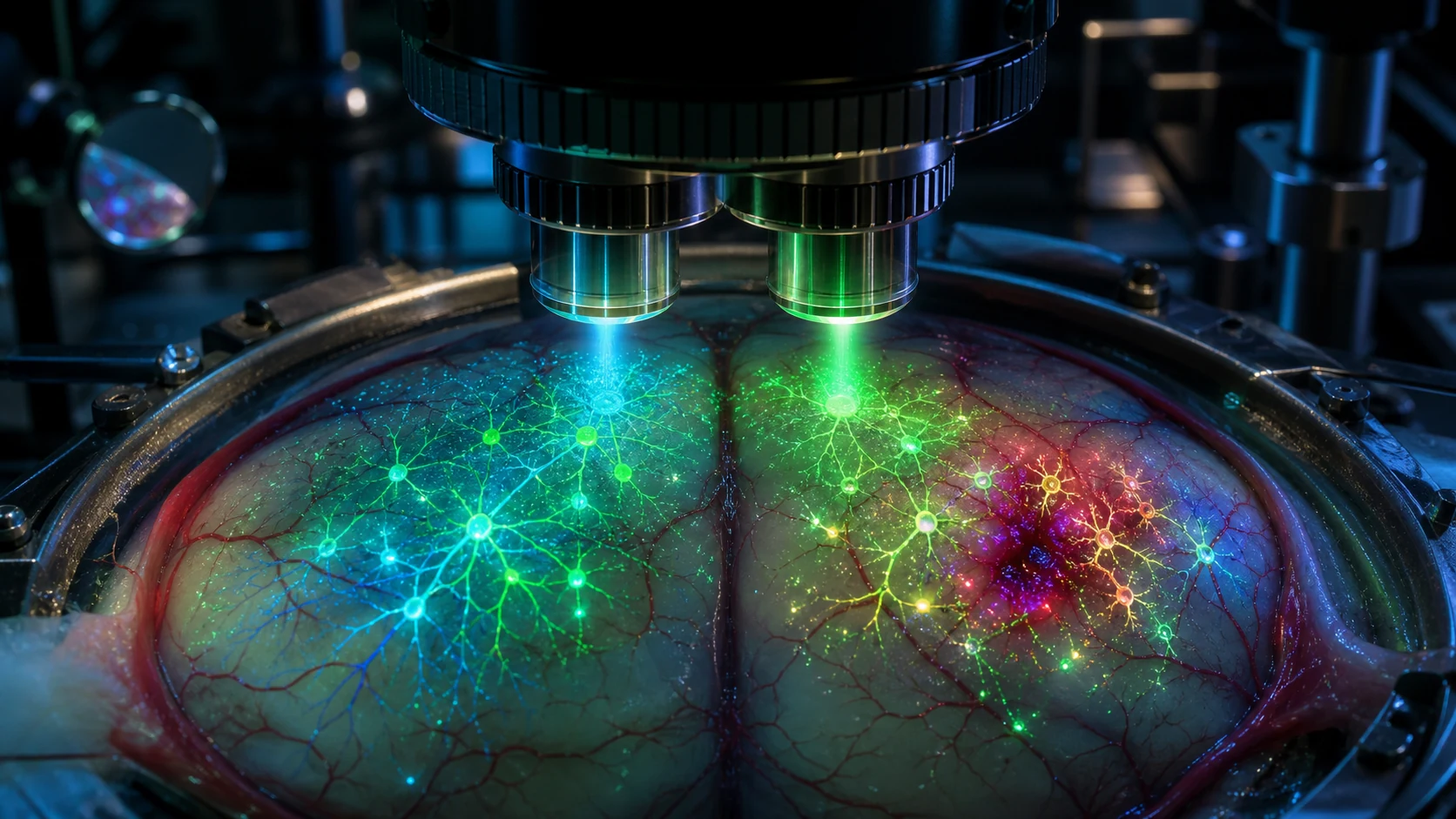
Large-scale imaging of multiple dynamic behaviors and quantitative neurochemical concentrations with high spatiotemporal resolution is essential for understanding complex brain functions. Two-photon microscopy (TPM) is ideally suited for in vivo brain function imaging because of its high resolution and deep tissue penetration. However, conventional TPM is limited by a restricted field-of-view (FOV), an inherent trade-off between the imaging area and temporal resolution, and an insufficient amoun
Christopher A. Sims, who died on March 14, 2026, left behind an indelible mark on macroeconomics and econometrics. His Nobel Prize winning research reshaped the paradigm for empirical macroeconomics, creating a rigorous and flexible framework for inferring the effects of macroeconomic policies. He also made important contributions to time series forecasting, Bayesian econometrics, factor modeling, approximation theory, and models of monetary and fiscal policy. Few academics have had as direct an
When adopting a performance-enhancing technology offers short-run relative advantages, competitive pressure can drive diffusion even if most adopters would prefer a collective ban. We study this dynamic in the context of unrestricted AI tools for teenagers' education. In preregistered, incentive-compatible experiments with approximately 2,000 parents in the United States, Canada, and the United Kingdom, we elicit willingness to pay for a three-month premium subscription to a leading general-purp
Mitigation measures are essential for controlling the spread of infectious diseases during pandemics and epidemics, but they impose considerable societal, individual, and economic costs. We developed a general framework that combines simulation of disease dynamics with optimal control to determine mitigation strategies that balance infection and mitigation costs. Optimizing this trade-off, we identified three surprising effects: first, assuming a constant reproduction number R 0 , the optimal re
The 1,3-diol unit is an extremely important functional group motif, and significant effort has gone into development of methods to access it with definition of relative and absolute stereochemistry. Conventionally, stereochemical complexity is built up in a stepwise manner alongside functional group interconversion. It is interesting to consider an unconventional approach whereby the diol may be synthesized nonselectively and the stereoisomers "descrambled" by a chiral catalyst in a subsequent s
Economic inequality has widened considerably in the United States and globally, raising pressing questions about the mechanisms that reproduce social stratification. One prominent manifestation of this inequality is the "class ceiling" in organizations: individuals from lower social classes earn less and advance more slowly than their higher-class counterparts, even with comparable credentials. We identify a crucial behavioral pathway contributing to this class ceiling: a social-class gap in the
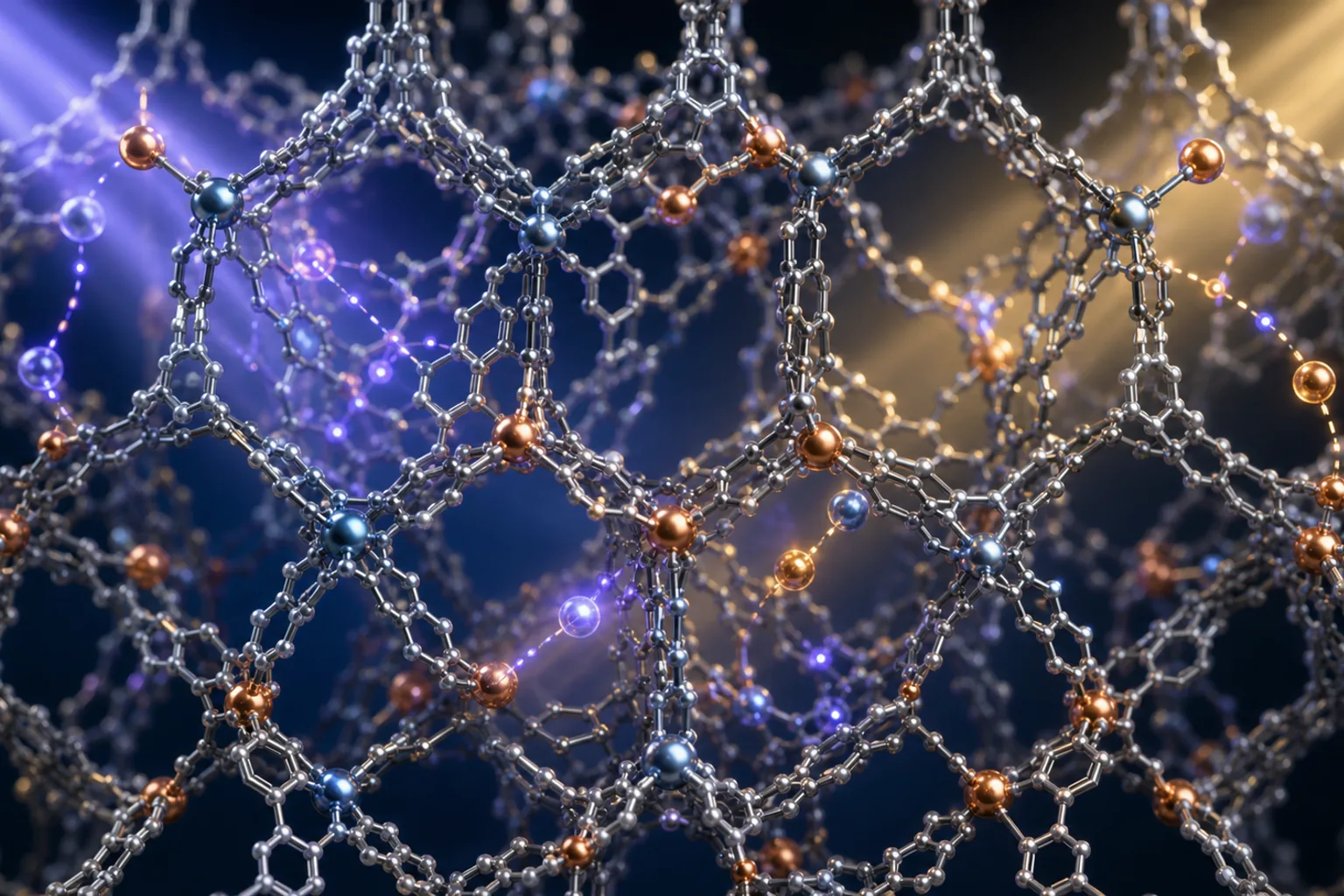
The synthesis of crystalline materials capable of precise and chemically triggered structural transformations remains a significant challenge. Herein, we report a dynamic coordination-mediated strategy for constructing a highly stable bis-acylhydrazone-linked covalent organic framework, COF-LIFM20-Zn, featuring an adjustable U-shaped pentadentate Zn coordination center. The dynamic coordination behavior of Zn 2+ enables reversible interconversions between U- and W-shaped configurations through d
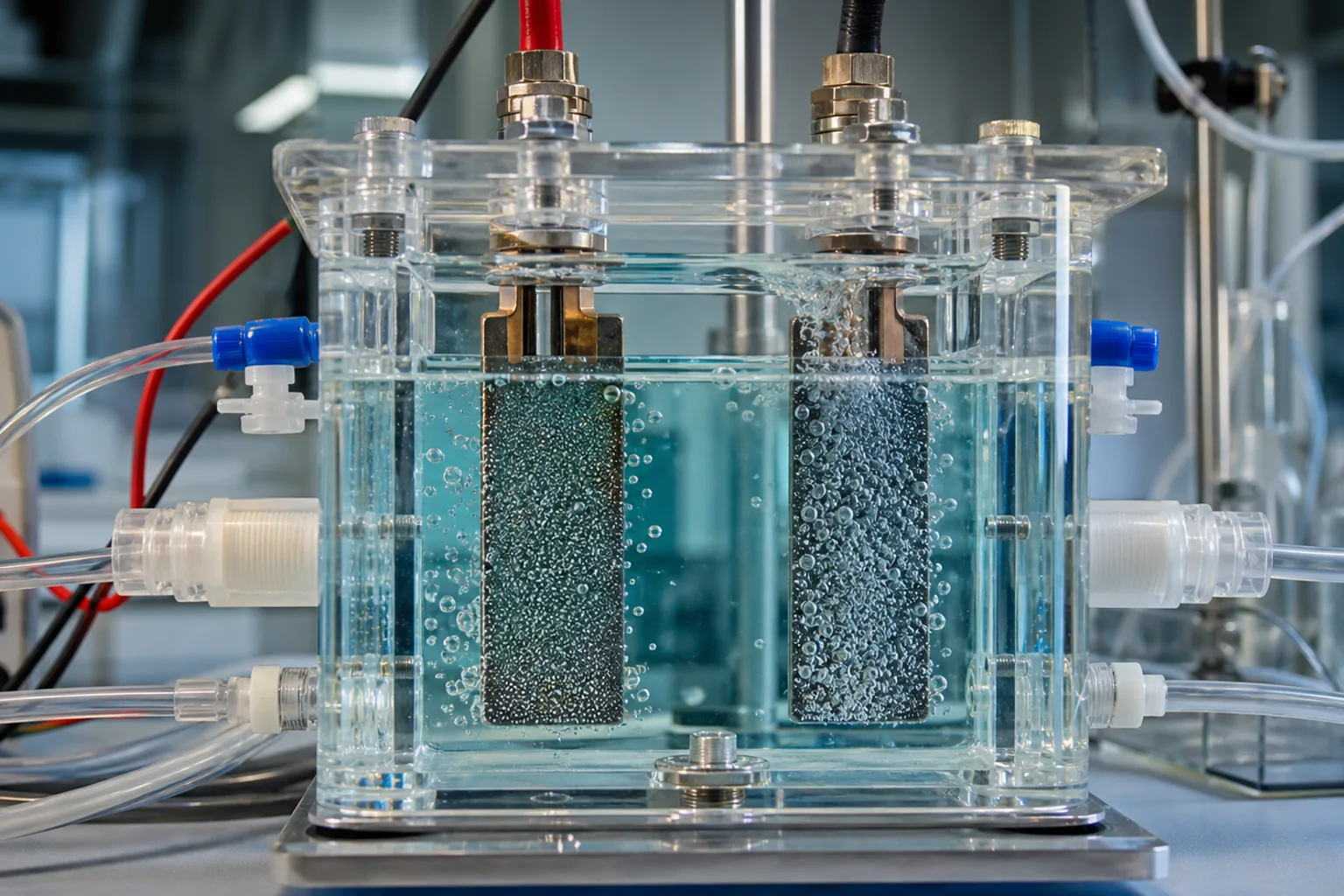
Nonoxide electrocatalysts hold great promise for high-efficiency seawater oxidation, yet their practical application is hindered by the inevitable surface reconstruction and pronounced corrosion under high anodic potentials. Herein, we solve this longstanding challenge by developing a rational anionic ligand passivation strategy that stabilizes phosphide lattices against oxidative degradation while preserving inherent electrocatalytic activity. Leveraging Lewis acid-base interactions, we grow an
Adolescence is a period of profound social change marked by a developmental shift in attention and motivation from parents toward nonfamilial peers. Autism is a neurodevelopmental condition characterized by lifelong challenges in social communication. However, the neurobiological signatures of adolescent social reorientation in autism are poorly understood. Human voice processing is a primary driver of social learning and communication, but it remains understudied in the autism literature, parti
The timing of behavioral responses is among the most robust signatures of cognitive processing-with easier, more accurate, and more confident judgments typically made more quickly. But which aspects of response timing carry these signals? Whereas the time taken to initiate a response (e.g., the interval between stimulus onset and keypress) is one of the most popular and informative measures in experimental psychology, another aspect of response timing is its duration (e.g., how long the key is h
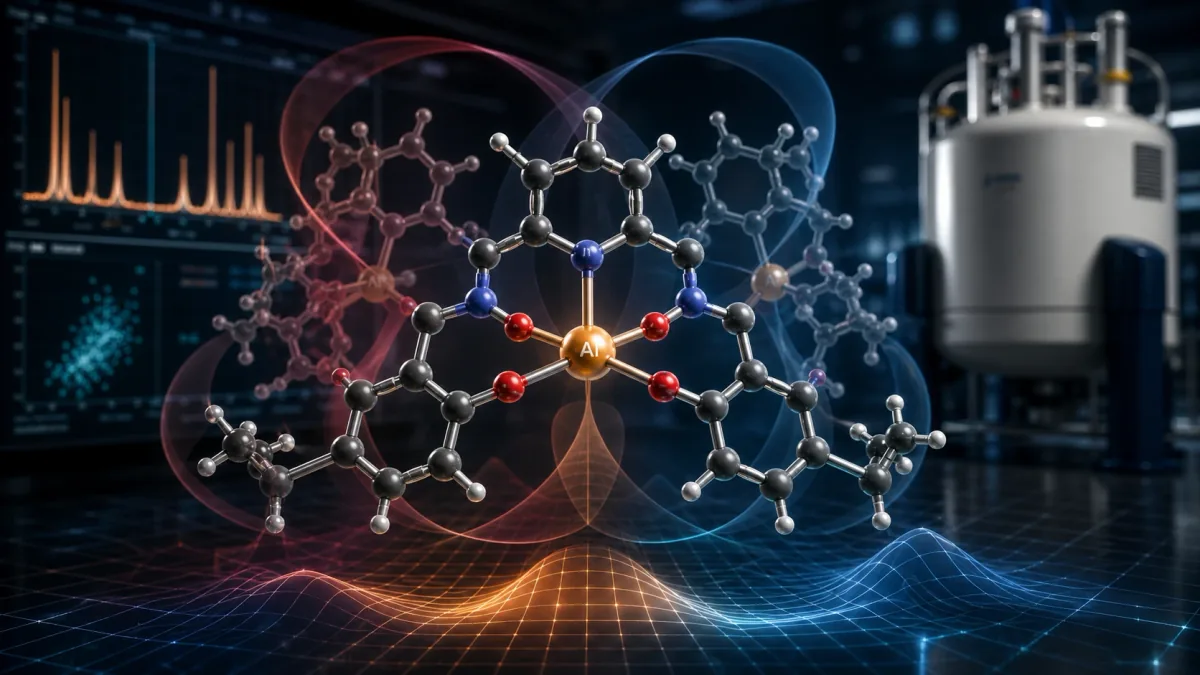
M(Salen) complexes are totemic in asymmetric catalysis on account of the generality and selectivity that they confer. Consequently, the development of unifying models to place the function of these disruptive actors on a structural foundation is essential to sustain innovation. Motivated by the transformative effect that the Jacobsen catalyst (M = Al) has had on contemporary synthesis, a thorough three-dimensional structural investigation of the solution phase behavior of Al(Salen) complexes is