Health & Medicine

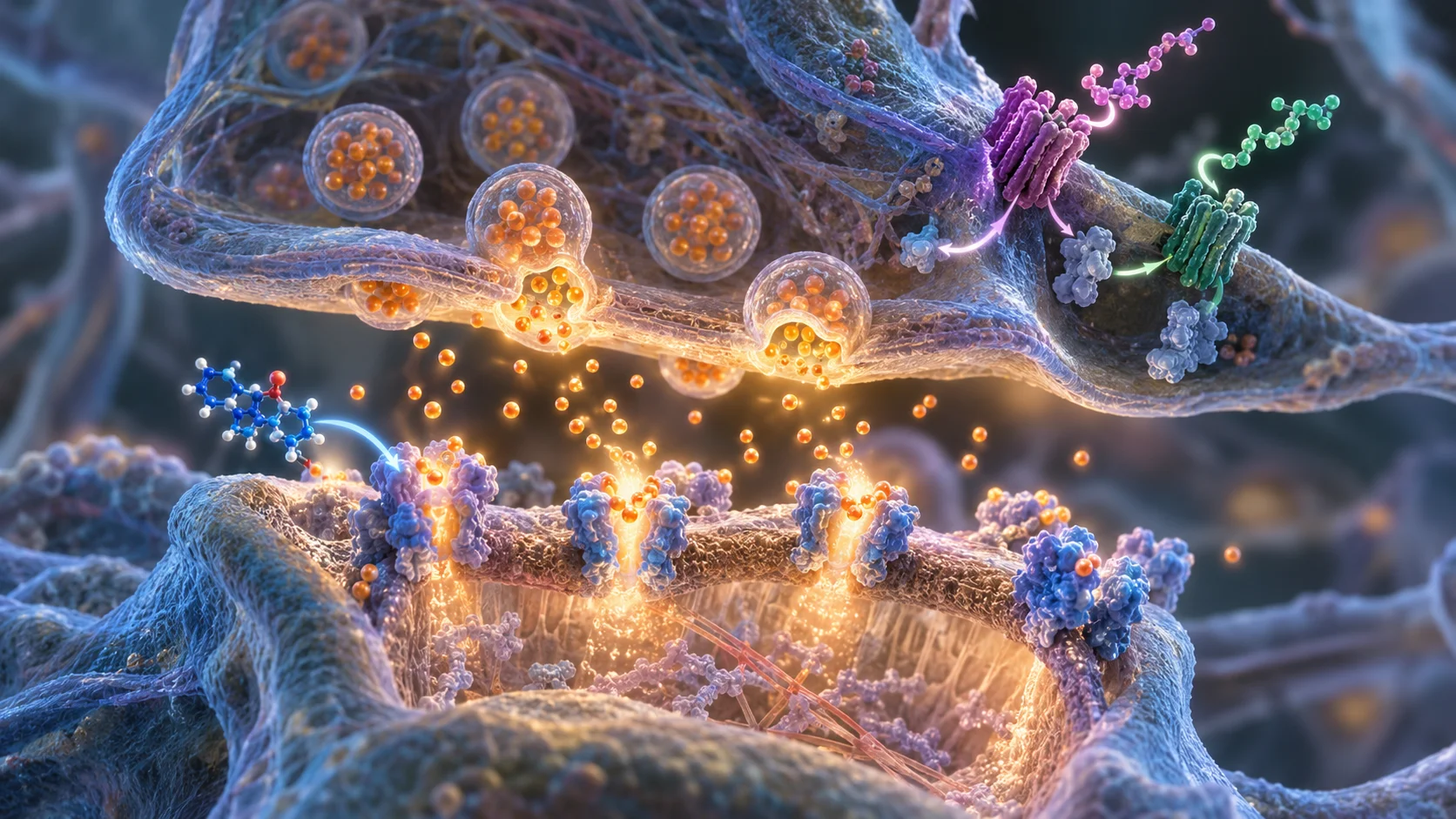
Enhancement of hippocampal synaptic AMPA receptor function by the antidepressant tianeptine and by opioid peptides.
| Source: Proceedings of the National Academy of Sciences of the United States of America

Management of major depressive disorder (MDD) with conventional therapeutics that enhance monoaminergic neurotransmission requires prolonged treatment prior to clinical benefit and a substantial proportion of patients show little or no improvement. Identifying alternative molecular targets is required to develop efficacious, rapid acting antidepressants. In this regard, tianeptine, an established but atypical clinical antidepressant, is of interest. Tianeptine does not directly influence monoami

Management of major depressive disorder (MDD) with conventional therapeutics that enhance monoaminergic neurotransmission requires prolonged treatment prior to clinical benefit and a substantial proportion of patients show little or no improvement. Identifying alternative molecular targets is required to develop efficacious, rapid acting antidepressants. In this regard, tianeptine, an established but atypical clinical antidepressant, is of interest. Tianeptine does not directly influence monoamine levels; in rodents it has a relatively rapid onset of antidepressant-like efficacy and, unusually for an antidepressant, exhibits procognitive properties. Here, voltage-clamp recordings from mouse hippocampal CA1 pyramidal neurons demonstrated tianeptine enhanced the amplitude of neurally evoked excitatory postsynaptic currents mediated by glutamate activation of synaptic α-amino-3-hydroxy-5-methyl-4-isoxazolepropionic acid receptors (AMPARs). The effect required intracellular polyamines and expression of the GluA1 subunit. These observations suggest that tianeptine relieves the channel block by endogenous polyamines of synaptic GluA1 containing AMPARs (GluA1-AMPARs). The tianeptine effect was abolished by postsynaptic inhibition of G-protein signaling, was reduced in mice lacking either the µ- or the δ-opioid receptor, and inhibited by selective antagonists of these receptors, collectively demonstrating that the facilitation of excitatory transmission was indirectly mediated by activation of opioid receptors. Importantly, enhancement of GluA1-AMPAR function was mimicked by opioid peptide and nonpeptide agonists selective for µ- or δ-receptors. These observations improve understanding of how the antidepressant tianeptine enhances glutamatergic transmission but more generally suggest that endogenous and exogenous opioids act in a similar manner, which may contribute to their behavioral effects.

Read the original source →

Related Stories

Health & Medicine

The honey bee stinger: An unusual pump with collapsible double pistons.

Most stinging animals deliver venom by contracting muscles around a venom reservoir, but honey bees employ a fundamentally different strategy. The stingers of worker bees have the unique ability to autotomize, separating from the body, to continue to sting independently. Despite more than a century of anatomical descriptions, the mechanics of venom pumping have remained unresolved due to the challenges of observing them in action. We recorded high-speed videos of active, autotomized stingers, co

Continue reading
Health & Medicine

Chronic cigarette smoke exposure induces distinct stem cell states driving genetic driver-specific non-small cell lung cancer subtypes.

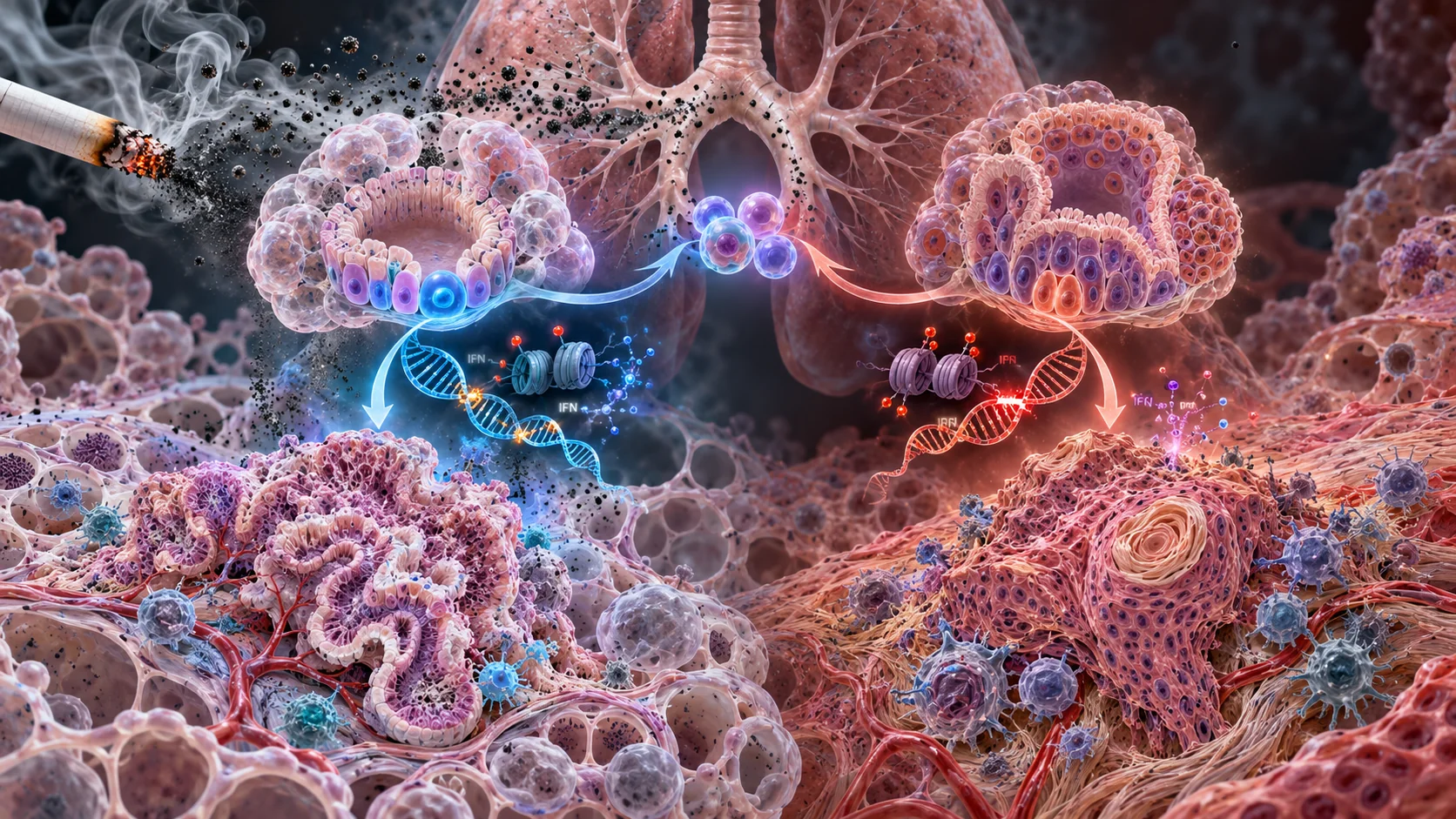
Cigarette smoke-induced chronic inflammation (CI) potentiates development of non-small cell lung cancer (NSCLC) by mediating genetic and epigenetic events. Using normal lung organoids (LOs), we define how chronic cigarette smoke condensate (CSC) exposure drives two separate stem cell populations to evolve premalignant states harboring progressive epigenetic and linked transcriptomic abnormalities in the absence of major driver mutations. These dynamics facilitate evolution of an immune evasive s

Continue reading
Health & Medicine

Cell identity competes with surface tension to determine stromal organization in tumor spheroids beyond the CAF shell paradigm.

Cancer-associated fibroblasts (CAFs) are often found forming a peripheral stromal barrier around tumors. Here, this paradigm is challenged using microfabricated 3D cancer-CAF spheroid models combined with quantitative magnetic force tensiometry. A surface tension atlas is established for eight cancer cell lines, three CAF populations, and heterotypic tumor-CAF assemblies, spanning nearly two orders of magnitude. Surface tension is first shown to govern spheroid morphology and modulate drug respo

Continue reading
Health & Medicine

Sexual dimorphism in epidermal stem cell dynamics.

The epidermis is a stratified epithelium comprising proliferative basal cells and differentiated suprabasal cells that are continuously renewed throughout life. Conflicting theories have been proposed regarding the heterogeneity of the basal cell layer, with some studies proposing that all proliferative cells have self-renewal potential during homeostasis 1-5 . Meanwhile, others posit a model in which stem cell differentiation occurs through an intermediate transit-amplifying-like progenitor sta

Continue reading
Health & Medicine

Engineered TYK2 dependence enables myeloid-selective IL-10 receptor agonism.

Interleukin-10 (IL-10) is a central anti-inflammatory cytokine that suppresses immune responses in myeloid cells but can also activate T cells, limiting its therapeutic use in chronic inflammatory diseases owing to narrow efficacy windows and dose-limiting toxicities 1-5 . Here we show that myeloid and T cells differ in their dependence on JAK-family kinase pairing for IL-10 signalling and function. We took advantage of this differential kinase dependence to engineer a tetravalent nanobody-based

Continue reading