Health & Medicine

CD4 T cells convert transient responses to KRAS inhibition to durable remissions in pancreatic cancer.
| Source: Cell

Pancreatic ductal adenocarcinoma (PDAC) is refractory to most therapies, including immunotherapies, for which reinvigoration of CD8 T cells through immune checkpoint blockade is insufficient to induce long-term, durable remissions. Direct KRAS inhibitors (KRASi) have shown clinical promise, although acquired resistance is common. We modeled KRASi response and relapse in mice and demonstrated that, unlike chemotherapy or combinations with checkpoint blockade, an interleukin (IL)-21 cytokine mimic

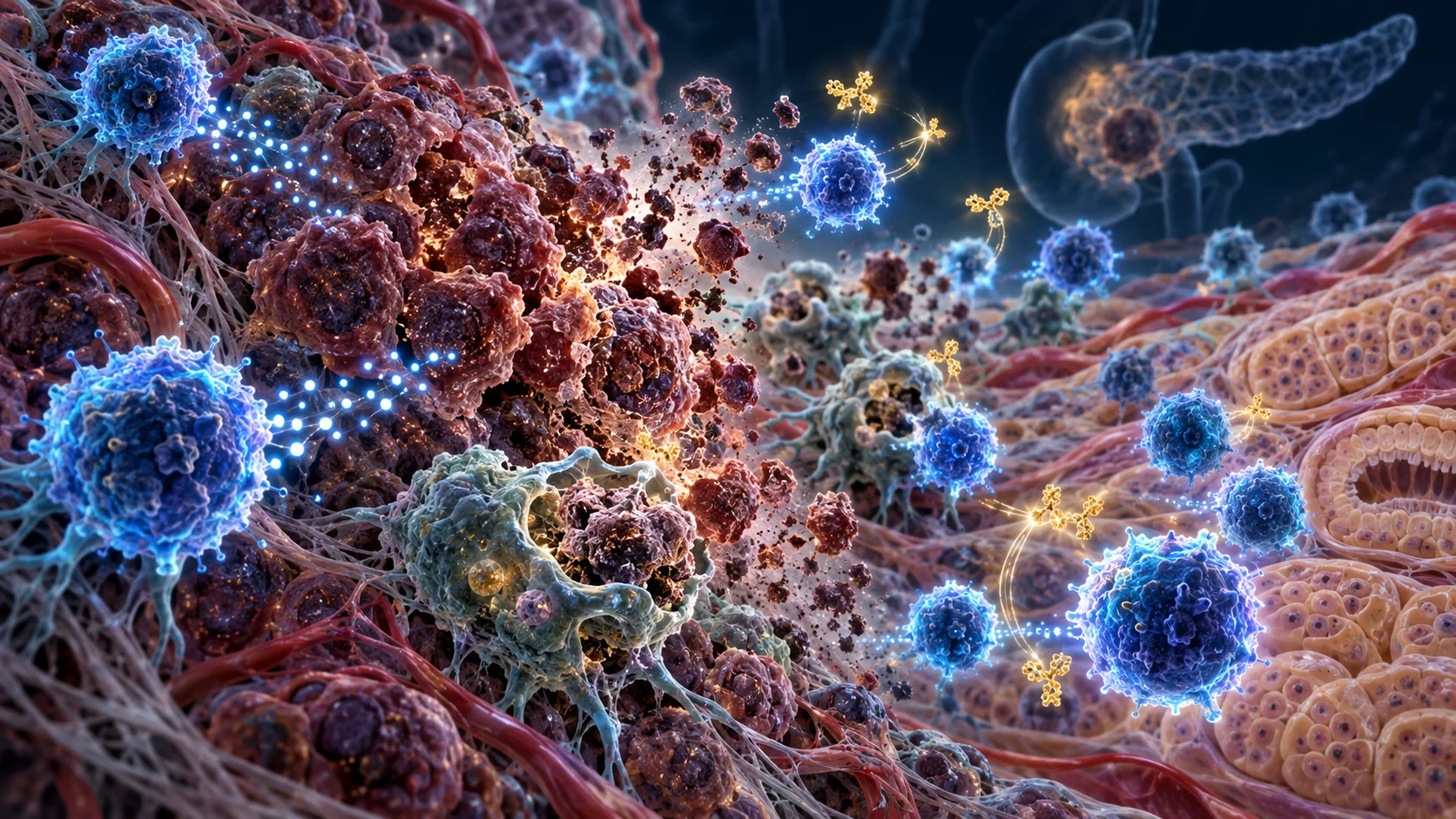
Pancreatic ductal adenocarcinoma (PDAC) is refractory to most therapies, including immunotherapies, for which reinvigoration of CD8 T cells through immune checkpoint blockade is insufficient to induce long-term, durable remissions. Direct KRAS inhibitors (KRASi) have shown clinical promise, although acquired resistance is common. We modeled KRASi response and relapse in mice and demonstrated that, unlike chemotherapy or combinations with checkpoint blockade, an interleukin (IL)-21 cytokine mimic (21h10) induced long-term, durable remissions. Its efficacy depends on T helper 1 (Th1)-polarized CD4 T cells, but not on CD8 T cells or tumor cell expression of major histocompatibility complex class I (MHC class I). Specifically, CD4 T cells primed by type 2 conventional dendritic cells (cDC2s) produce interferon γ (IFN-γ), which promotes macrophage-mediated phagocytosis of tumor cells. Ex vivo treatment of human PDAC specimens with 21h10 induces IFN-γ production by infiltrating T cells. Thus, IL-21-elicited CD4 T cells exert antitumor activity in mice and potentially in humans, converting transient responses to KRAS inhibition into durable remissions.
Read the original source →

Related Topics

Related Stories

Health & Medicine

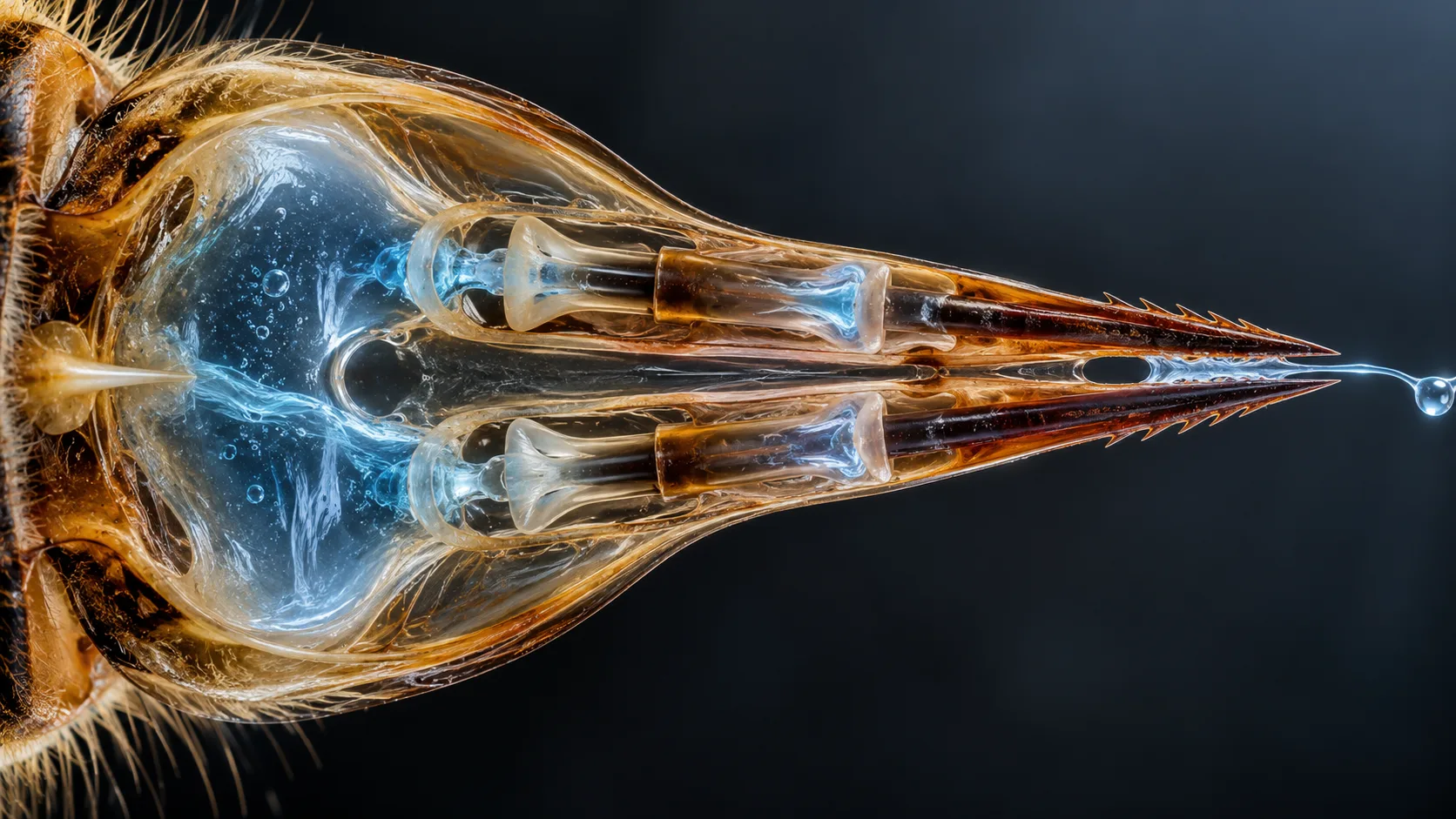
The honey bee stinger: An unusual pump with collapsible double pistons.

Most stinging animals deliver venom by contracting muscles around a venom reservoir, but honey bees employ a fundamentally different strategy. The stingers of worker bees have the unique ability to autotomize, separating from the body, to continue to sting independently. Despite more than a century of anatomical descriptions, the mechanics of venom pumping have remained unresolved due to the challenges of observing them in action. We recorded high-speed videos of active, autotomized stingers, co

Continue reading
Health & Medicine

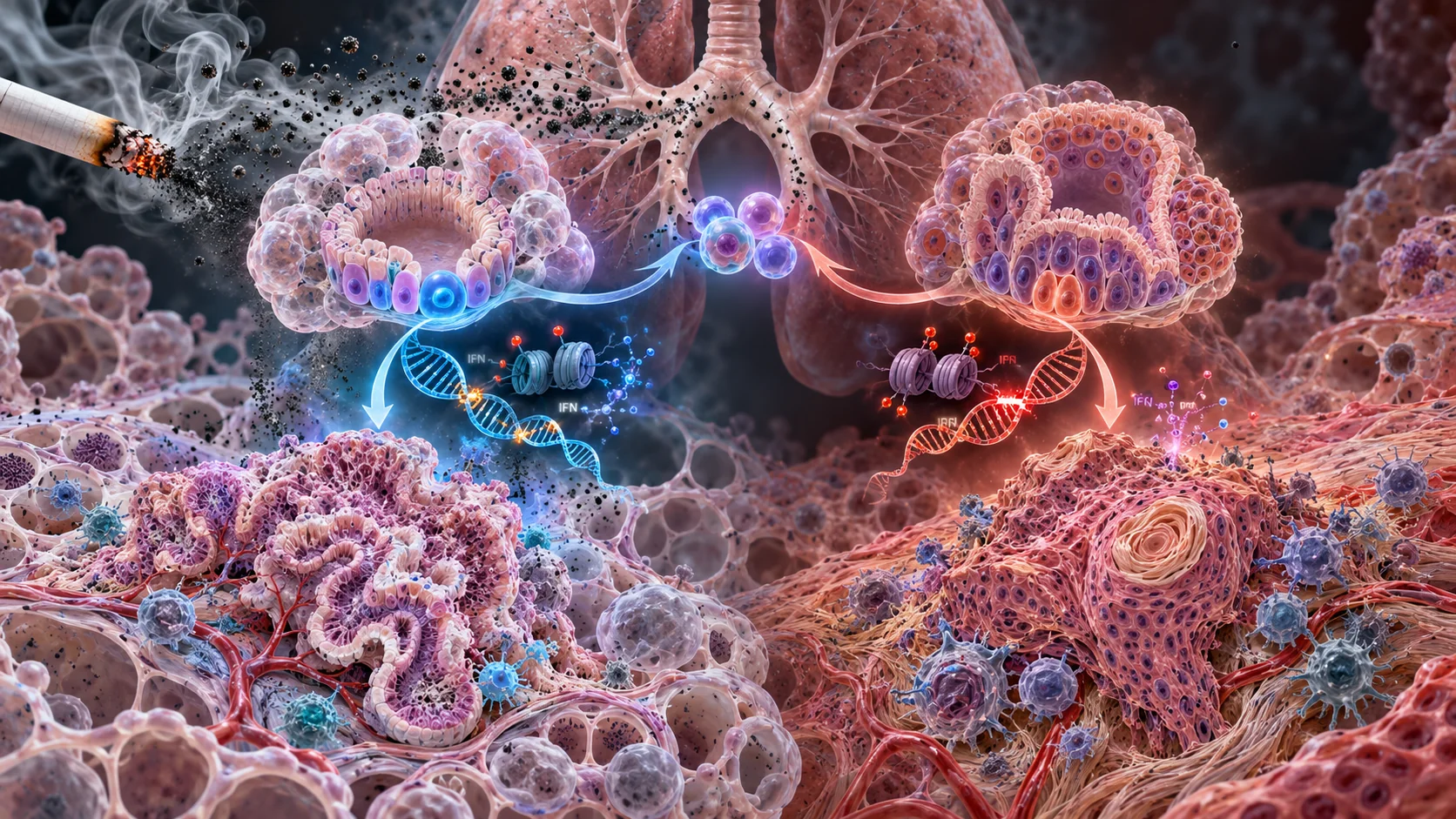
Chronic cigarette smoke exposure induces distinct stem cell states driving genetic driver-specific non-small cell lung cancer subtypes.

Cigarette smoke-induced chronic inflammation (CI) potentiates development of non-small cell lung cancer (NSCLC) by mediating genetic and epigenetic events. Using normal lung organoids (LOs), we define how chronic cigarette smoke condensate (CSC) exposure drives two separate stem cell populations to evolve premalignant states harboring progressive epigenetic and linked transcriptomic abnormalities in the absence of major driver mutations. These dynamics facilitate evolution of an immune evasive s

Continue reading
Health & Medicine

Cell identity competes with surface tension to determine stromal organization in tumor spheroids beyond the CAF shell paradigm.

Cancer-associated fibroblasts (CAFs) are often found forming a peripheral stromal barrier around tumors. Here, this paradigm is challenged using microfabricated 3D cancer-CAF spheroid models combined with quantitative magnetic force tensiometry. A surface tension atlas is established for eight cancer cell lines, three CAF populations, and heterotypic tumor-CAF assemblies, spanning nearly two orders of magnitude. Surface tension is first shown to govern spheroid morphology and modulate drug respo

Continue reading
Health & Medicine

Sexual dimorphism in epidermal stem cell dynamics.

The epidermis is a stratified epithelium comprising proliferative basal cells and differentiated suprabasal cells that are continuously renewed throughout life. Conflicting theories have been proposed regarding the heterogeneity of the basal cell layer, with some studies proposing that all proliferative cells have self-renewal potential during homeostasis 1-5 . Meanwhile, others posit a model in which stem cell differentiation occurs through an intermediate transit-amplifying-like progenitor sta

Continue reading
Health & Medicine

Engineered TYK2 dependence enables myeloid-selective IL-10 receptor agonism.

Interleukin-10 (IL-10) is a central anti-inflammatory cytokine that suppresses immune responses in myeloid cells but can also activate T cells, limiting its therapeutic use in chronic inflammatory diseases owing to narrow efficacy windows and dose-limiting toxicities 1-5 . Here we show that myeloid and T cells differ in their dependence on JAK-family kinase pairing for IL-10 signalling and function. We took advantage of this differential kinase dependence to engineer a tetravalent nanobody-based

Continue reading