Topic: Cancer Research

Health & Medicine

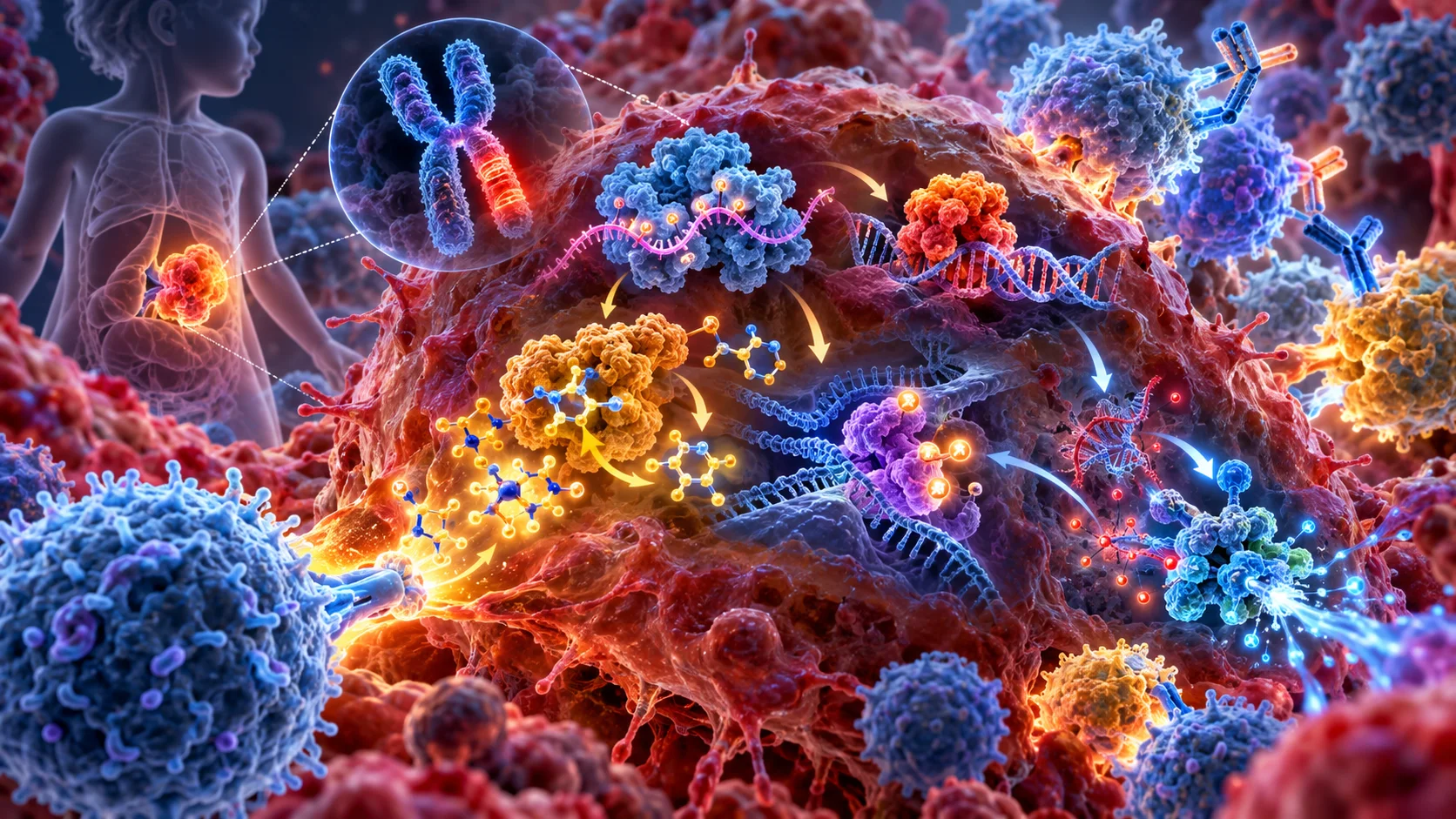
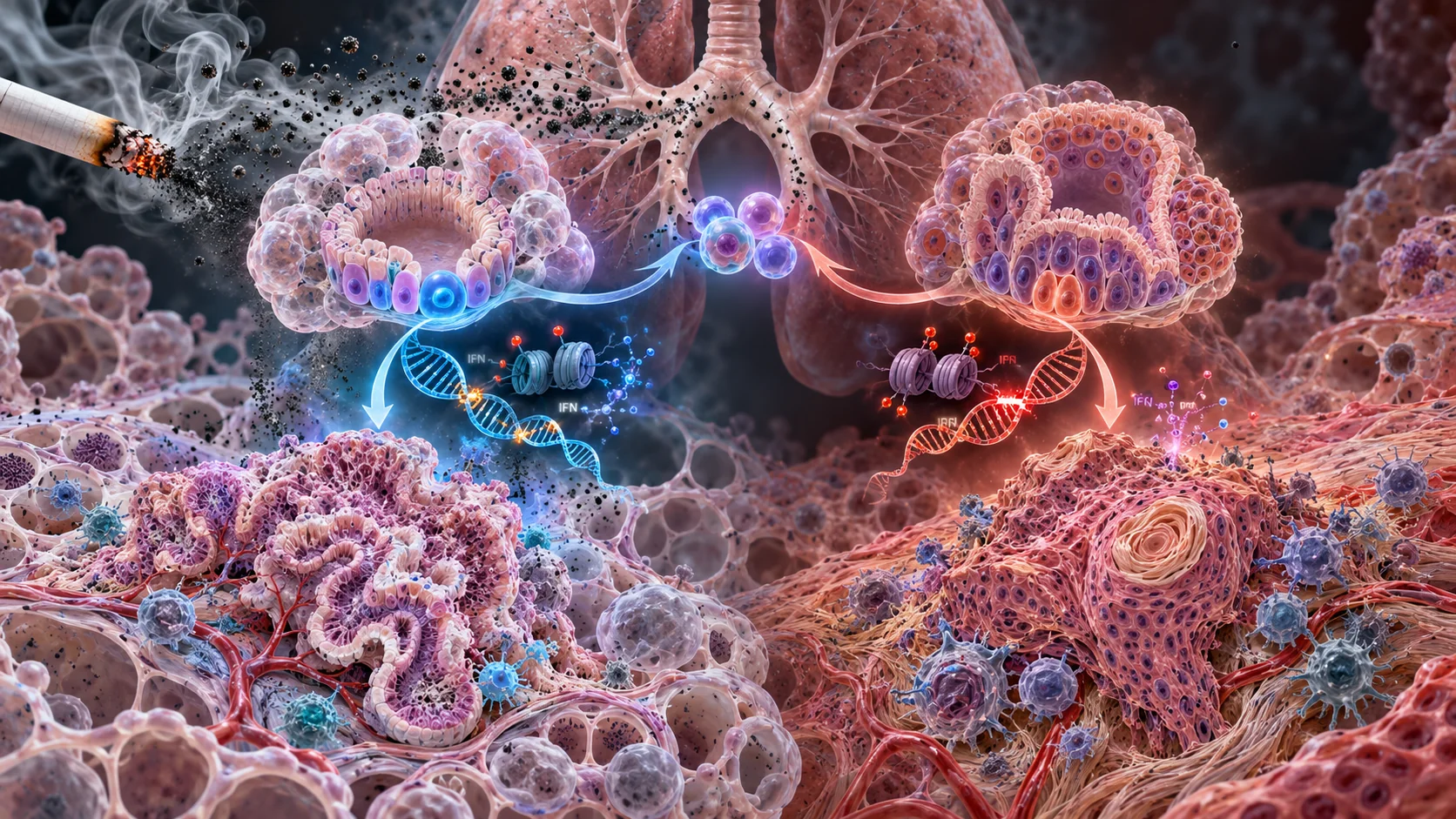
Chronic cigarette smoke exposure induces distinct stem cell states driving genetic driver-specific non-small cell lung cancer subtypes.

Cigarette smoke-induced chronic inflammation (CI) potentiates development of non-small cell lung cancer (NSCLC) by mediating genetic and epigenetic events. Using normal lung organoids (LOs), we define how chronic cigarette smoke condensate (CSC) exposure drives two separate stem cell populations to evolve premalignant states harboring progressive epigenetic and linked transcriptomic abnormalities in the absence of major driver mutations. These dynamics facilitate evolution of an immune evasive s

Continue reading
Health & Medicine

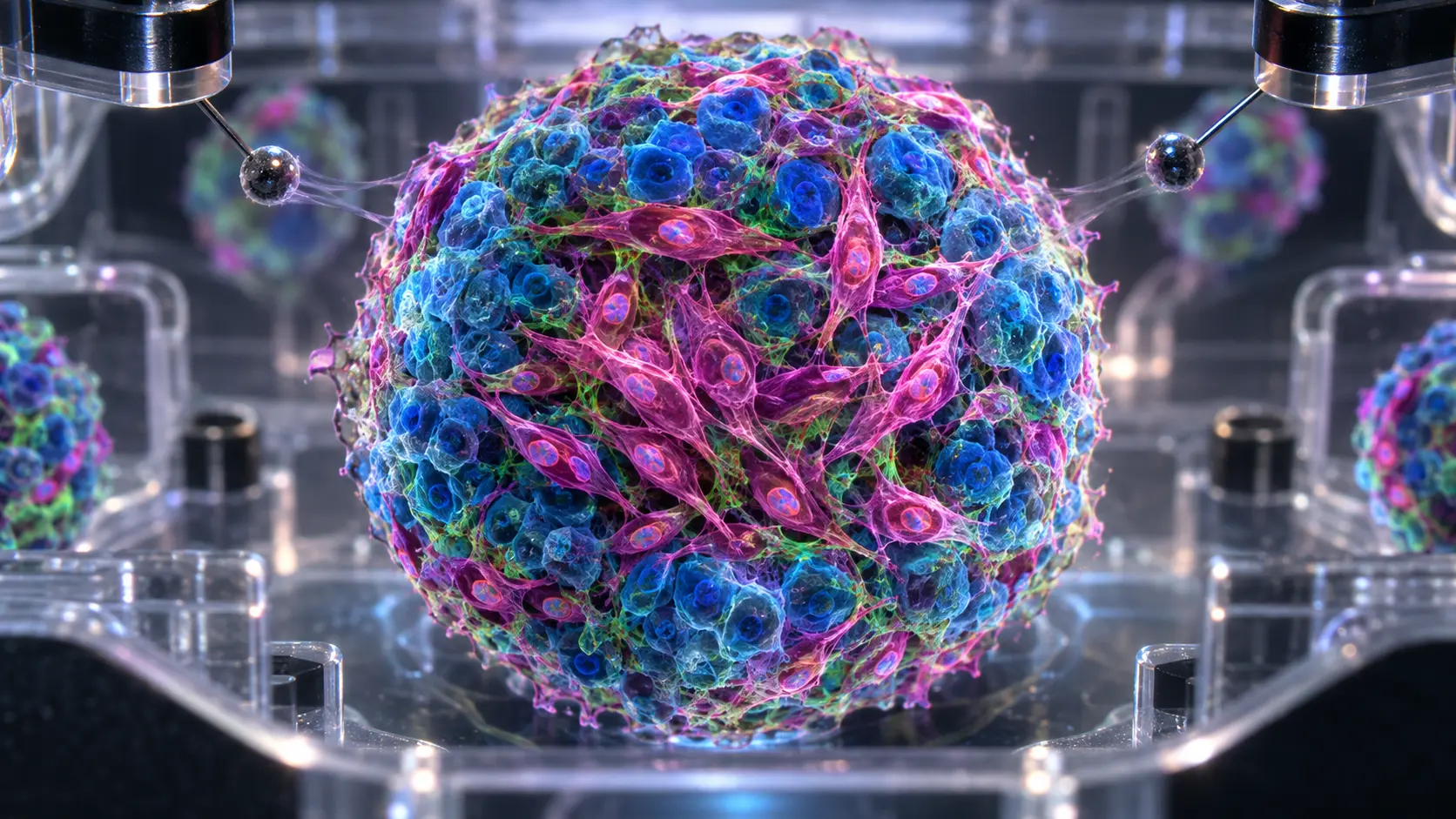
Cell identity competes with surface tension to determine stromal organization in tumor spheroids beyond the CAF shell paradigm.

Cancer-associated fibroblasts (CAFs) are often found forming a peripheral stromal barrier around tumors. Here, this paradigm is challenged using microfabricated 3D cancer-CAF spheroid models combined with quantitative magnetic force tensiometry. A surface tension atlas is established for eight cancer cell lines, three CAF populations, and heterotypic tumor-CAF assemblies, spanning nearly two orders of magnitude. Surface tension is first shown to govern spheroid morphology and modulate drug respo

Continue reading
Health & Medicine

Talazoparib plus enzalutamide in high-volume metastatic hormone-naive prostate cancer: a randomized phase 2 trial.

Combining inhibition of poly(ADP-ribose) polymerase and androgen receptor (AR) pathway has demonstrated clinical activity in men with metastatic prostate cancer, although the extent of benefit in tumors lacking homologous recombination repair (HRR) gene alterations remains uncertain. We conducted a randomized phase 2 trial evaluating talazoparib plus enzalutamide versus enzalutamide alone in men with high-volume metastatic hormone-naive prostate cancer (mHNPC). Fifty-four patients starting andro

Continue reading
Health & Medicine

Personalized neoantigen-targeting cancer vaccines in ovarian cancer: a phase 1 trial.

Personalized neoantigen-targeting cancer vaccines in the adjuvant setting are of increasing interest across malignancies. Here we report the results of a phase 1 clinical trial testing the feasibility and safety of personalized neoantigen-targeting cancer vaccines for high-grade epithelial ovarian cancer. 'NeoVax' consisted of pools of synthetic long peptides targeting patient-specific neoantigens admixed with the immunostimulant poly-ICLC, was combined with delayed administration of anti-PD-1 a

Continue reading
Health & Medicine

IGF2BP1 in 17q-gain cooperates with MYCN to regulate purine biosynthesis and immunotherapy efficacy in neuroblastoma.

Concurrent chromosomal 17q-gain and MYCN amplification define a subset of neuroblastoma associated with particularly adverse clinical outcomes. However, how these genetic alterations synergize to promote tumor progression and whether their cooperation confers therapeutic vulnerabilities remain elusive. We herein performed a CRISPR-based functional screen targeting 17q-gain genes and identified the RNA m 6 A reader IGF2BP1 as a critical MYCN collaborator to promote aggressive neuroblastomas via a

Continue reading
Health & Medicine

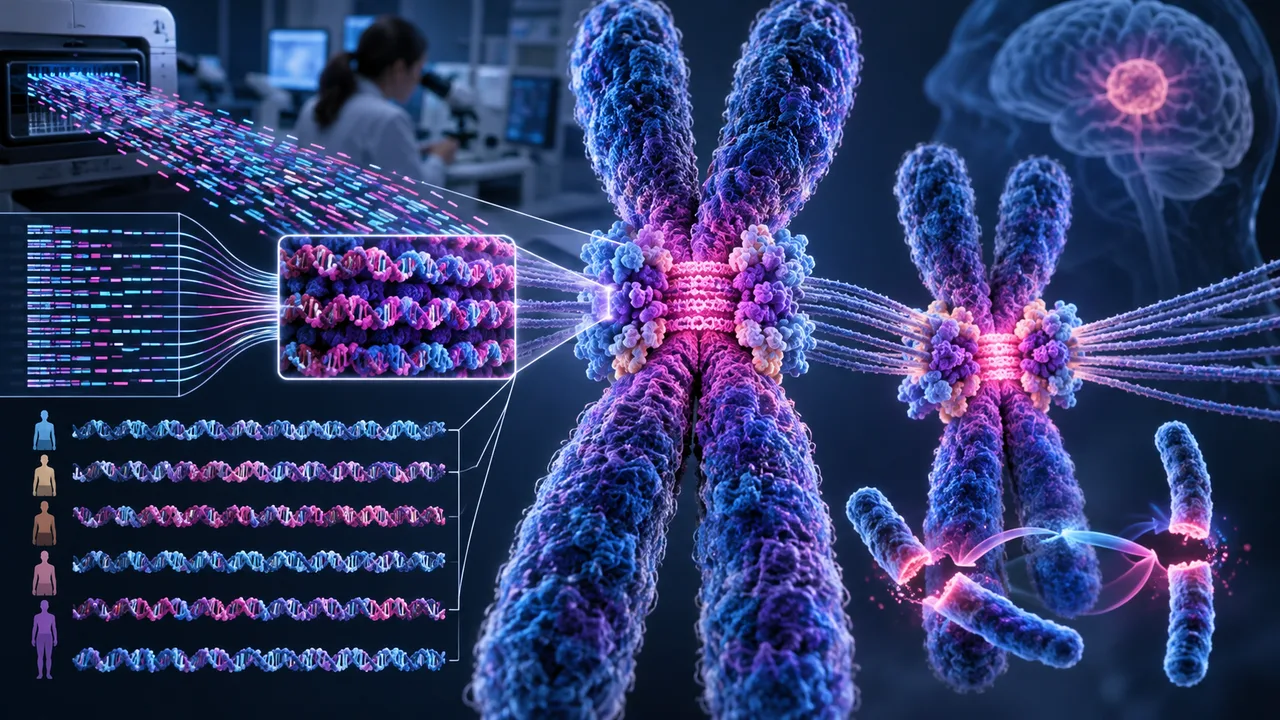
Rare k-mers reveal centromere haplogroups underlying human diversity and cancer translocations.

Human centromeres are highly variable but remain among the least characterized regions of the genome because their repetitive structure has hindered conventional analysis of population diversity and disease relevance. Here, we show that rare k-mers in centromeric regions capture lineage-specific variation, defining discrete haplogroups with distinct structural features. We developed ascairn to infer these haplogroups from short-read whole-genome sequencing (WGS) data. Applying this framework to

Continue reading
Artificial Intelligence

A health-system-scale, episode-resolved multimodal atlas of cancer cachexia.

Cancer cachexia is a wasting syndrome with outsized impact on morbidity and mortality, yet its drivers and systemic consequences remain poorly defined. In this study, we repurposed longitudinal clinicogenomic data from 52,236 patients with cancer profiled by MSK-IMPACT (2010-2024) at Memorial Sloan Kettering Cancer Center to define episode-resolved trajectories of consensus-defined cachectic weight loss and linked these events to outcomes, serology and tumor genotypes. Cachectic episodes cluster

Continue reading
Physical/Tech

Advances in Systemic Treatment of Breast Cancer.

Systemic therapy for breast cancer has evolved rapidly since 2020, driven by the expansion of targeted therapies, antibody-drug conjugates, and immunotherapy across biologic subtypes. The integration of tumor molecular profiling and germline testing has enabled increasingly personalized, biomarker-guided treatment strategies. In hormone-receptor-positive, human epidermal growth factor receptor 2 (HER2)-negative disease, cyclin-dependent kinase 4 and 6 inhibitors remain foundational, whereas phos

Continue reading

Artificial Intelligence

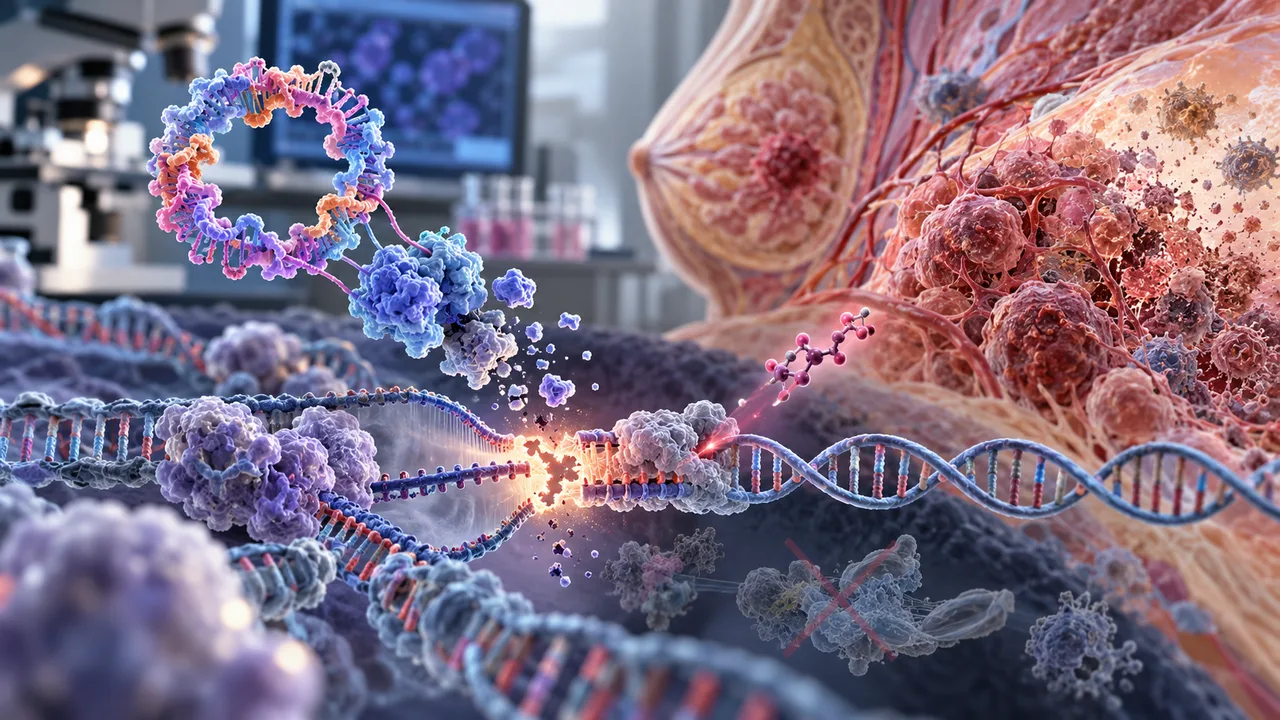
Genome stability disrupted by the circRBM39(4,5,6)-RPA2 axis represses breast tumorigenesis.

Genome instability (GI) is a hallmark of cancer. GI is associated with accumulative DNA damage and tumor-specific defects in DNA repair. Multiple antitumor drugs have been developed to promote persistent GI and to drive DNA damage beyond a threshold that tumor cells can survive. However, regulatory roles of circular RNAs (circRNAs) in GI and DNA damage remain elusive. Through circRNA profiling and a small interfering RNA (siRNA)-mediated screen, we have identified a circRNA termed circRBM39(4,5,

Continue reading
Health & Medicine

Targeted extracellular degradation of LRP8 promotes ferroptosis in cancer cells.

Tumor reliance on antioxidant defenses creates a vulnerability to ferroptosis, yet strategies to therapeutically disable these systems remain limited. Here, we identify targeted degradation of the selenium uptake receptor lipoprotein receptor-related protein 8 (LRP8) as an effective approach to decrease the abundance of the ferroptosis-protective enzyme glutathione peroxidase 4 (GPX4). Using bispecific cytokine receptor-targeting chimeras (KineTACs) that couple LRP8 to cytokine receptor internal

Continue reading
Artificial Intelligence

α-aminobutyric acid promotes tumor progression by polarizing macrophages through the ASNS-mTORC2 axis.

Tumor-associated macrophages (TAMs), the most abundant immune cell subset in the tumor microenvironment (TME), exhibit phenotypic plasticity and exert critical roles in tumor progression and antitumor immunity. Targeting TAM polarization has emerged as a promising strategy for cancer immunotherapy, yet the key regulators governing this process remain incompletely defined. Here, we identified α-aminobutyric acid (AABA) as a pro-tumor metabolite that drives M2-like polarization of TAMs to pr

Continue reading
Health & Medicine

PAK4 exacerbates melanoma immunosuppression by promoting exosome release.

Melanoma remains a lethal malignancy with frequent resistance to immune checkpoint blockade therapy. Clinical evidence associates elevated PAK4 expression with poor response to anti-PD-1 treatment in melanoma patients. While tumor-derived exosomes are recognized as key immunosuppressive mediators, the role of PAK4 in regulating exosome secretion to induce immunosuppression remains incompletely understood. Here, we demonstrate that PAK4-mediated phosphorylation of Annexin-A2 (ANXA2) at Ser26 prom

Continue reading
Health & Medicine

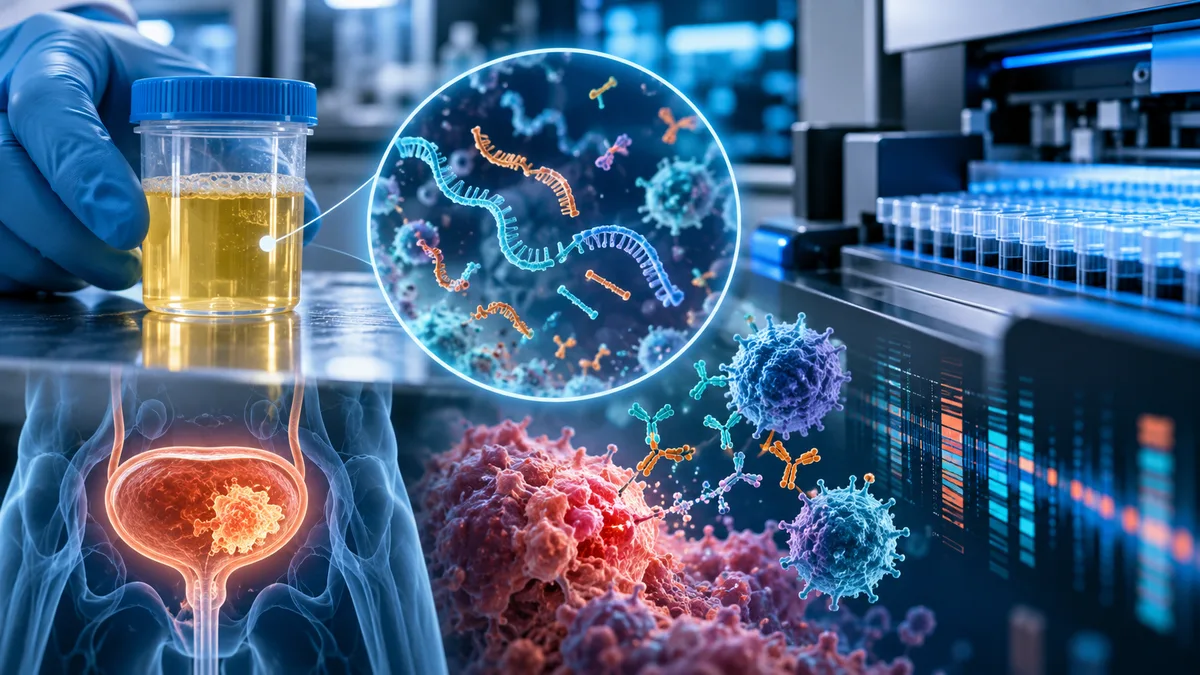
Urine cell-free RNA for bladder cancer detection and treatment response prediction.

Urine biomarkers promise to improve noninvasive detection and molecular characterization of genitourinary malignancies. Here we describe urine random priming and affinity capture of cell-free RNA (cfRNA) fragments for enrichment analysis by sequencing (uRARE-seq), a liquid biopsy method for urine cfRNA profiling, and apply it to 683 urine samples from patients with cancer and controls. Urine cfRNA contained transcripts from genitourinary tissues and, in patients with prostate, kidney or bladder

Continue reading
Physical/Tech

Giredestrant plus Everolimus in Advanced Breast Cancer.

Giredestrant and everolimus target the estrogen receptor (ER) pathway and the phosphatidylinositol 3-kinase (PI3K)-protein kinase B (AKT)-mammalian target of rapamycin (mTOR) pathway, respectively, which are implicated in endocrine-therapy resistance. In this phase 3, open-label, randomized trial, we enrolled patients with ER-positive, human epidermal growth factor receptor 2 (HER2)-negative locally advanced or metastatic breast cancer who had disease progression or recurrence after receipt of a

Continue reading
Health & Medicine

Five-year survival with neoadjuvant therapy in melanoma: updated pooled analysis from the International Neoadjuvant Melanoma Consortium (INMC).

Neoadjuvant immune checkpoint inhibitors (ICIs) are standard of care for resectable stage IIIB-D melanoma, but knowledge gaps remain regarding optimal treatment type, long-term survival, postsurgical management and clinical, histopathological or molecular subgroups. We analyzed 1,038 patients treated with neoadjuvant ICIs (n = 735), BRAF and MEK inhibitors (BRAF/MEKis; n = 119) or ICI plus any targeted therapy (ICI + TT; n = 184) from 26 in

Continue reading
Economics

Loss of the tumor suppressor p53 generates a signaling gradient that drives epithelial clonal expansion

Although tumor protein p53 ( TP53 ) mutations are among the most common lesions in epithelial cancers, how p53 loss drives unrestrained clonal expansion remains unclear. Working with mouse epidermis, we found that p53 suppresses clonal expansion by limiting progenitor self-renewal. Integrating chromatin immunoprecipitation sequencing, transcriptional analyses, and genetic screens, we identified a p53-dependent network controlling progenitor renewal and differentiation, in which secreted frizzled

Continue reading
Health & Medicine

A TBK1/ULK1 signalling axis couples lysosomal stress to TFEB activation.

Lysosomal adaptation to environmental changes is critical for cellular and metabolic homeostasis and requires coordination by the mTORC1 kinase, which conveys nutritional and stress signals into distinct, substrate-specific outputs 1,2 . The FLCN-FNIP complex (FLCN:FNIP) serves as a crucial regulator of lysosomal function by selectively controlling the ability of mTORC1 to inhibit transcription factor EB (TFEB), a master regulator of catabolic programs and a known oncogene 3 . Yet how FLCN:

Continue reading
Health & Medicine

Osteoclasts intercept meningeal lymphatic paths for dural metastasis.

Dural metastasis (DM)-a devastating complication of advanced malignancies such as breast and lung cancers-is defined by tumour cell infiltration into the dura mater and presents unique clinical challenges distinct from brain metastasis 1,2 . Our study unveils a, to our knowledge, previously unrecognized role of meningeal lymphatic dysfunction in DM pathophysiology, providing a new conceptual framework for this unique form of metastatic disease. Distinctive cranial erosion patterns, identifi

Continue reading
Health & Medicine

Genetic and regenerative contexts specify distinct soft tissue sarcoma identities from Twist2+ progenitors.

Soft tissue sarcomas (STS) comprise diverse mesenchymal malignancies whose developmental origins and mechanisms of subtype specification remain poorly understood. Whether distinct sarcoma subtypes can arise from a common progenitor through distinct oncogenic and tissue contexts has remained unresolved. Here, we show that skeletal muscle progenitors marked by expression of the Twist2 transcription factor generate distinct STS subtypes in response to defined genetic and microenvironmental cues. Ac

Continue reading
Health & Medicine

Positive selection screen identifies natural product β-catenin inactivators.

Many genetically validated targets in cancer, including the transcription factor β-catenin (β-cat), have historically been viewed as undruggable. Cell-based phenotypic screening of chemical compounds can reveal unanticipated biological and pharmacological principles. Natural products are powerful probes because of their superior structural diversity, drug-like properties, and biological activities as compared to unoptimized synthetic compounds. We screened 326,304 natural product mix

Continue reading
Health & Medicine

The PKMYT1–ALDOA axis drives chemoresistance in cholangiocarcinoma by enhancing glycolysis and MRE11 lactylation

Cholangiocarcinoma (CCA) is a highly aggressive biliary malignancy with limited responses to existing treatments. Gemcitabine plus cisplatin (GC) remains the standard first-line chemotherapy for advanced disease, but its clinical efficacy is suboptimal, and drug resistance frequently emerges in patients. Through high-throughput synergistic drug screening, we identified PKMYT1 as a key synthetic lethal target regulating the chemosensitivity of cholangiocarcinoma cells. Functional validation confi

Continue reading
Health & Medicine

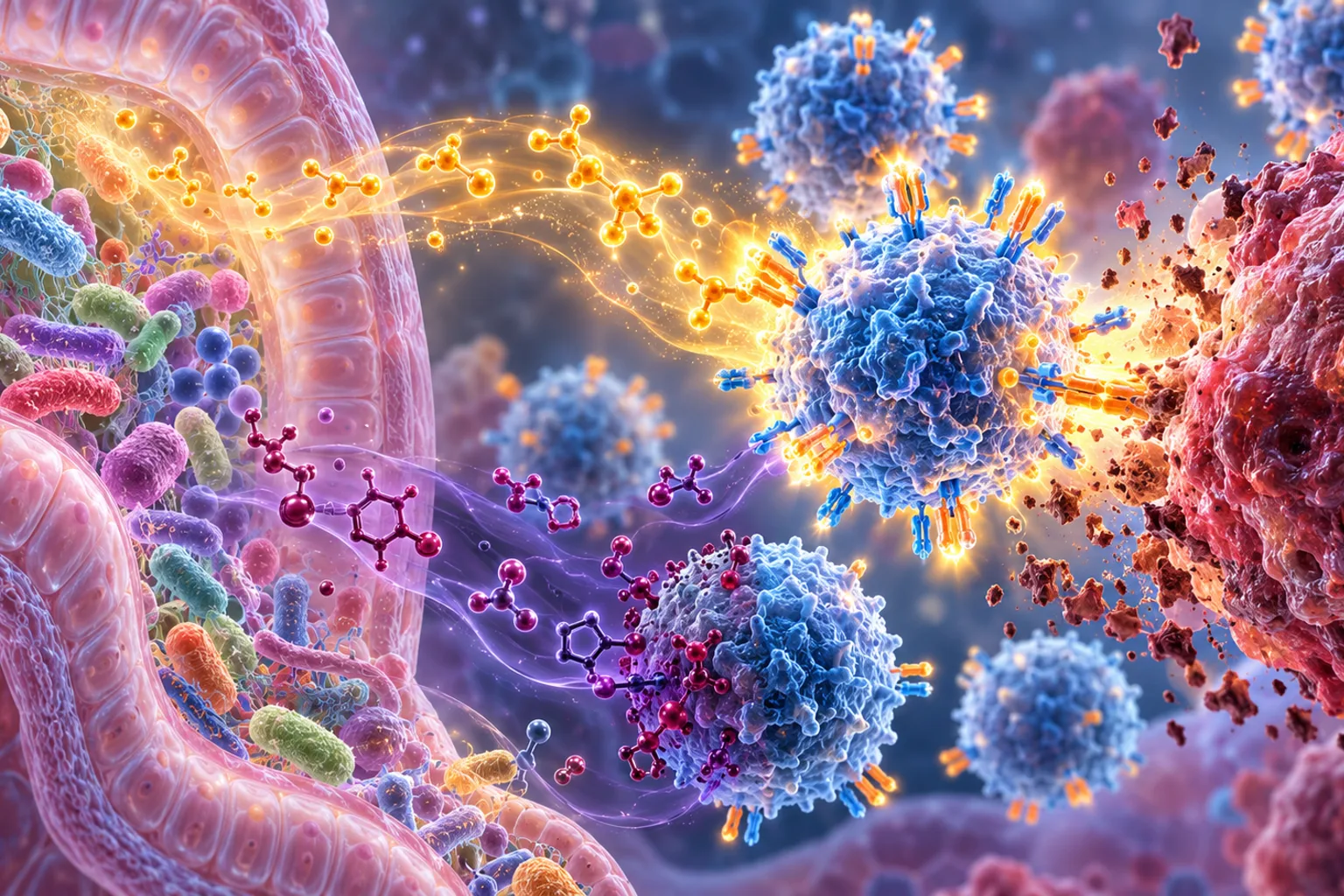
Opposing functions of gut immunomodulatory metabolites on CAR-T therapy.

Chimeric antigen receptor (CAR)-T cell therapy has transformed hematological cancer treatment, yet nearly half of patients still relapse or progress. Increasing evidence implicates the gut microbiome and antibiotic exposure as key modulators of clinical outcomes. In a cohort of 129 patients across three German centers, shotgun metagenomics and targeted mass spectrometry revealed that reduced short-chain fatty acids, particularly valeric acid, prior to CAR-T cell therapy correlated with increased

Continue reading
Health & Medicine

Radiotherapy versus observation following surgical resection of WHO grade 2 atypical meningioma (ROAM/EORTC-1308): an international, multicentre, open-label, phase 3, randomised controlled trial.

WHO grade 2 atypical meningioma is a primary brain tumour with a high risk of recurrence even after complete surgical resection. The role of adjuvant radiotherapy remains uncertain. We aimed to assess whether adjuvant radiotherapy reduces recurrence compared with observation in patients with a newly diagnosed atypical meningioma who have undergone complete surgical resection. ROAM/EORTC-1308 was an international, multicentre, open-label, phase 3, randomised controlled trial, conducted at 58 hosp

Continue reading
Physical/Tech

Clinical Uses of Common Genetic Variants Associated with Common Diseases.

Twenty-five years after the draft of the human genome sequence, genomics has revolutionized many areas of biology, the diagnosis of familial and early-onset diseases, and the development of targeted therapies, particularly in oncology. Genomic knowledge has had little effect on the diagnosis and treatment of most common adult-onset conditions. Genomewide association studies have revealed that for these conditions, thousands of genetic variants of small effect underpin the polygenic nature of ris

Continue reading
Health & Medicine

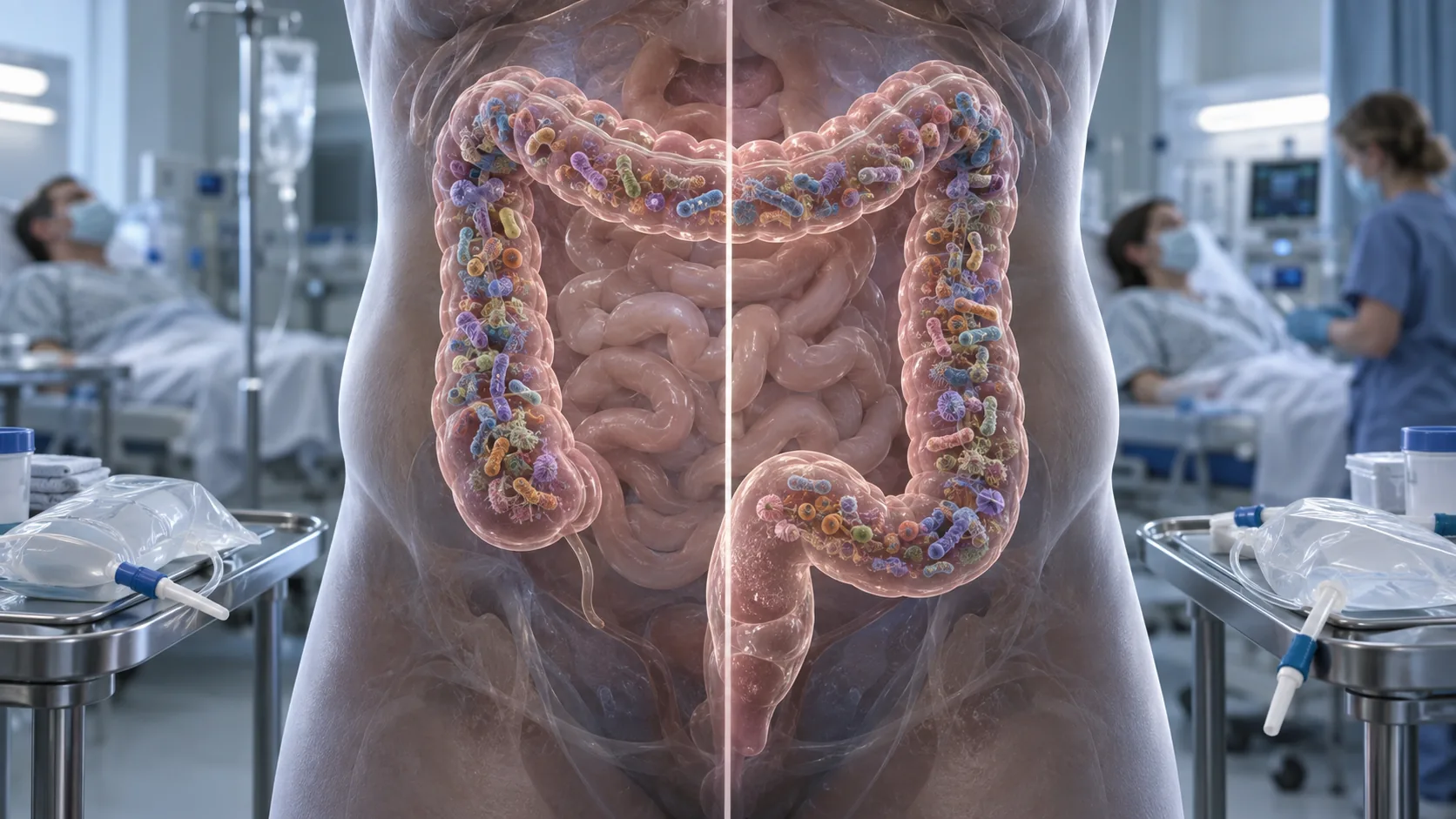
Faecal microbiota transplantation in irritable bowel syndrome (REFIT2): a randomised, double-blind, placebo-controlled, phase 3 trial.

Gut microbiota composition might have a role in the pathogenesis of irritable bowel syndrome (IBS), and faecal microbiota transplantation has been proposed as a means of restoring healthy gut microbiota for individuals with this condition. We aimed to investigate the efficacy and safety of faecal microbiota transplantation in patients with IBS. In this parallel-group, randomised, double-blind, placebo-controlled, phase 3 trial, conducted at five hospitals in Norway, we enrolled men and women age

Continue reading
Health & Medicine

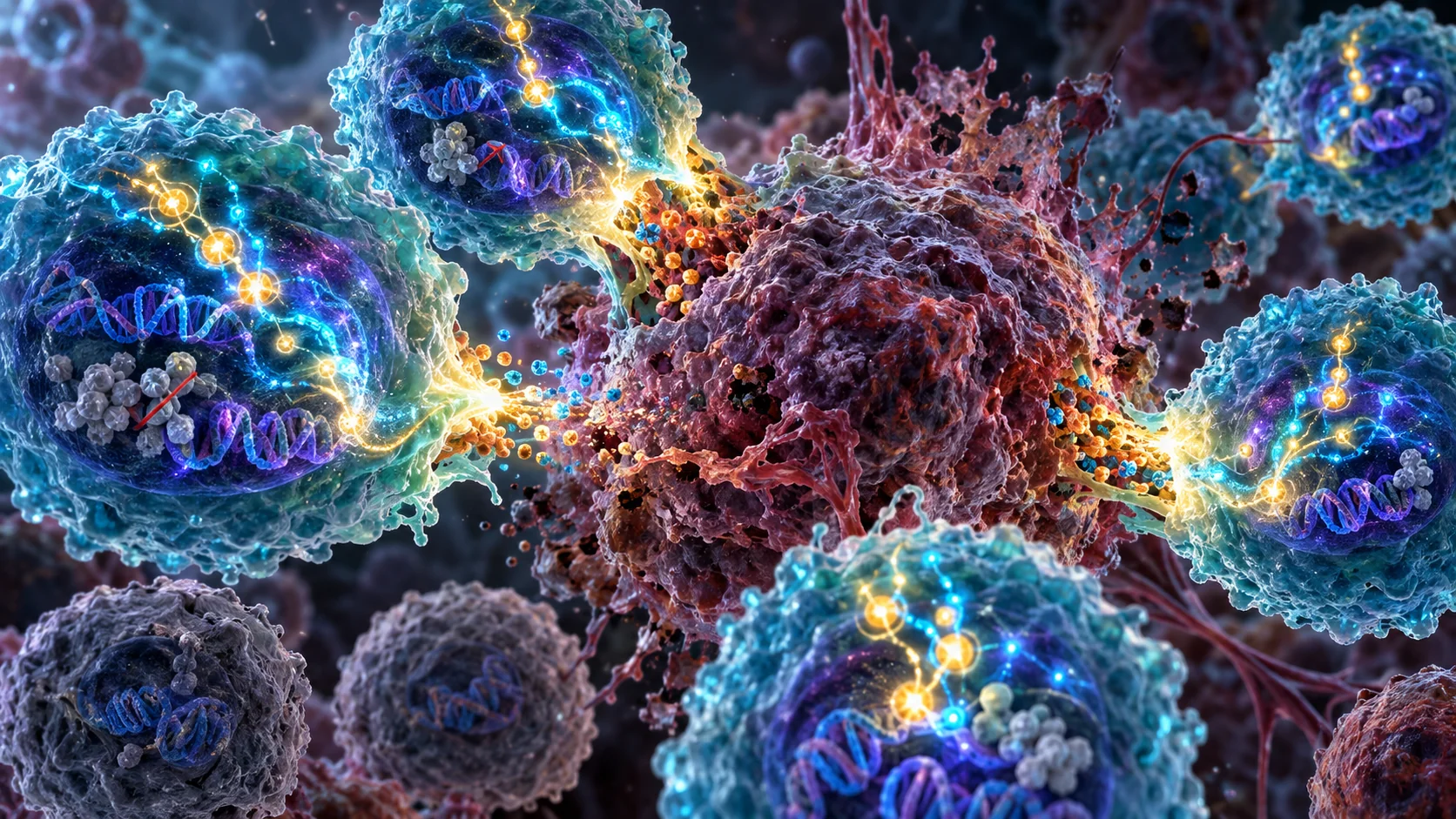
Targeting ZMYND8 unleashes IL-2 signalling to override T cell exhaustion.

CD8 + T cell exhaustion impedes control of chronic viral infection and cancer. This hypofunctional state is characterized by downregulation of the high-affinity IL-2 receptor (IL-2R) and STAT5 signalling, and differentiation from progenitor exhausted to terminally exhausted T cells rather than cytotoxic effector-like cells 1-3 . The epigenetic mechanisms and regulatory networks that mediate IL-2R-STAT5 signal attenuation and loss of effector-like cell differentiation remain unknown. Here, u

Continue reading
Health & Medicine

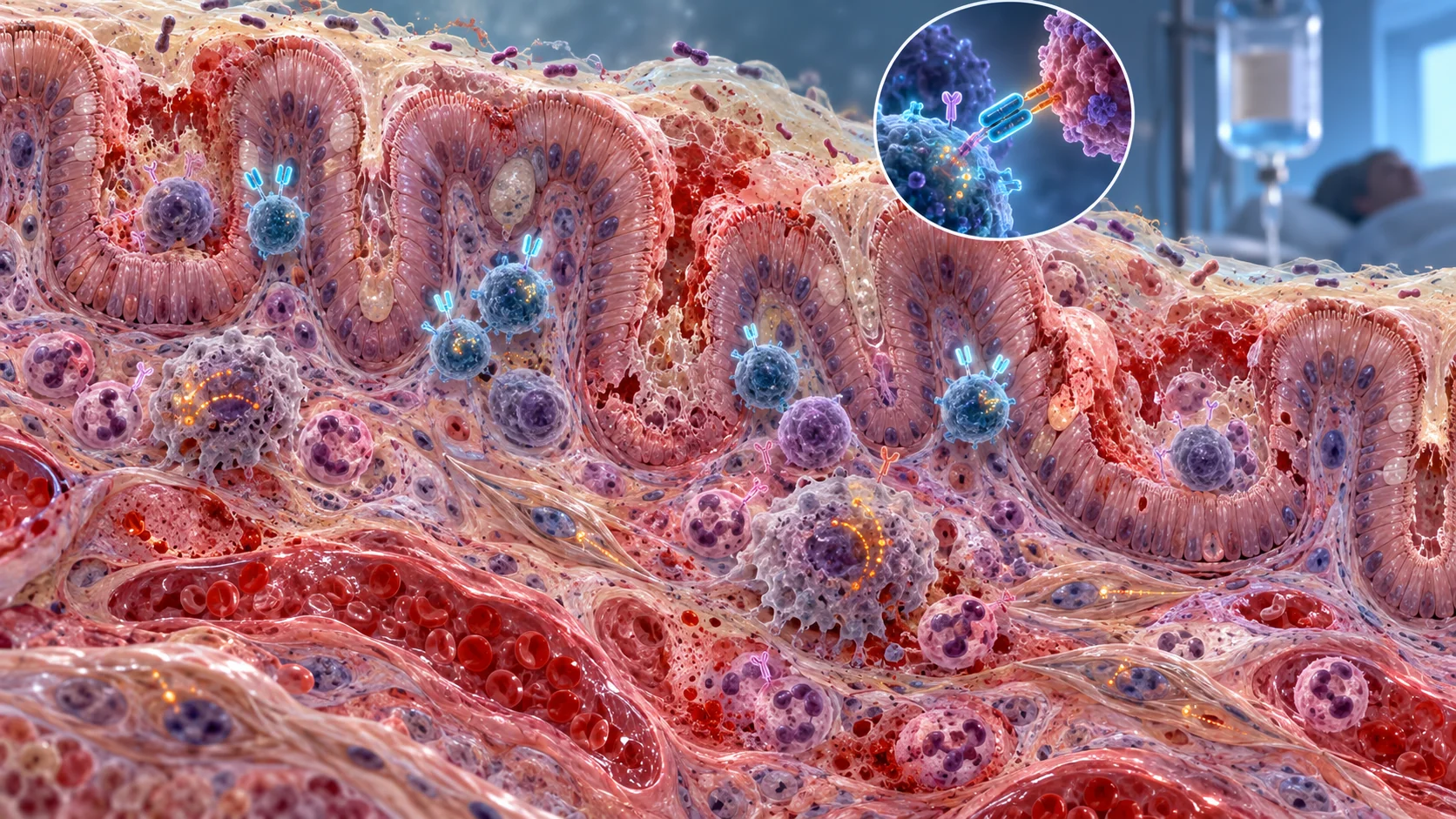
Persistence of mucosal CAR-T cells and inflammatory remodeling in enterocolitis associated with BCMA CAR-T cell therapy.

B cell-targeted therapies are expanding across oncologic and autoimmune indications, yet their consequences for mucosal immunity remain incompletely examined. Here we define the pathophysiology of ciltacabtagene autoleucel chimeric antigen receptor (CAR)-T cell-induced enterocolitis (EC) (CAR-T EC )-a severe complication of B cell maturation antigen-targeted CAR-T cell therapy in multiple myeloma. Using single-cell transcriptomics, flow cytometry and tissue imaging of intestinal bi

Continue reading
Health & Medicine

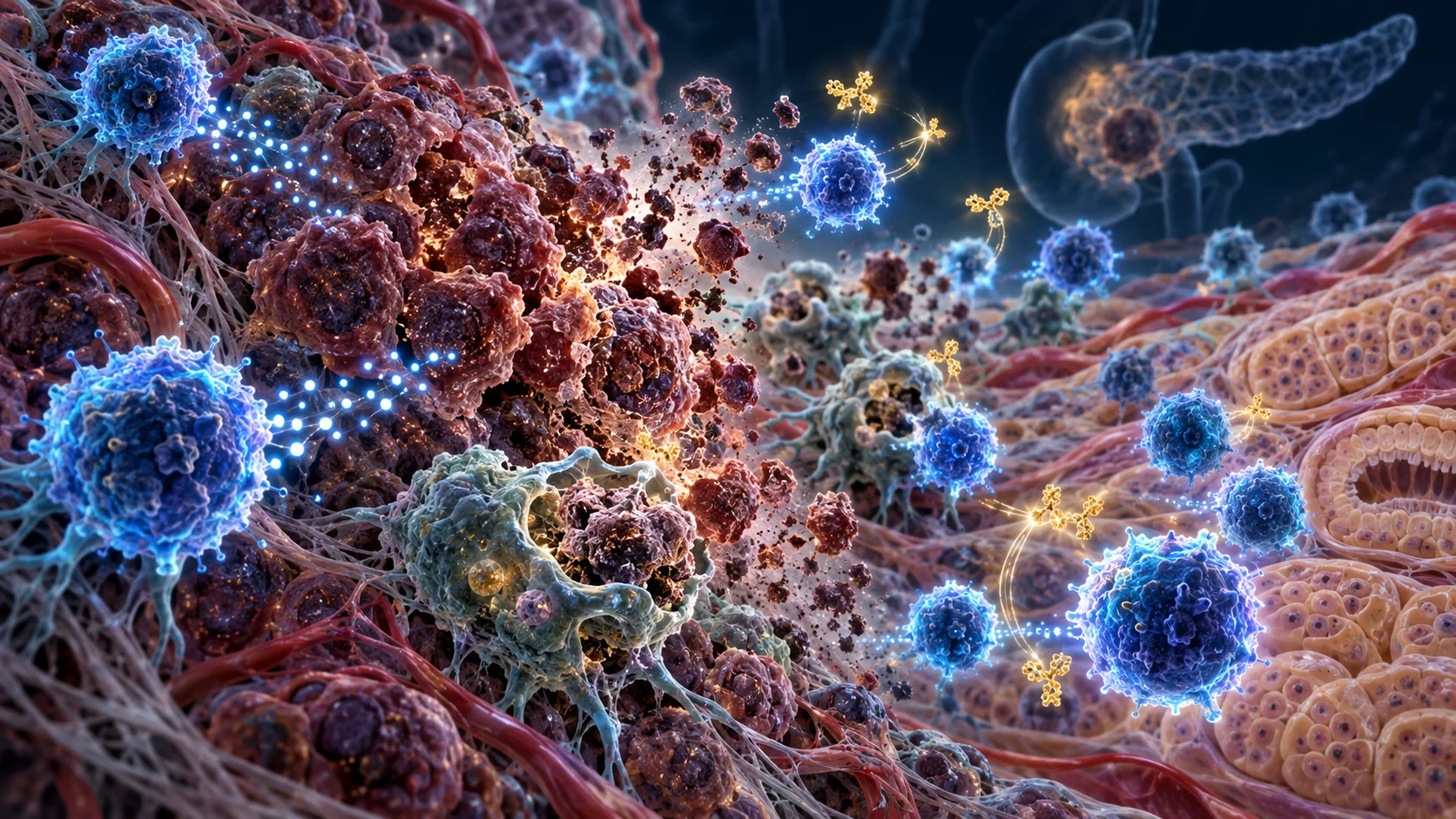
CD4 T cells convert transient responses to KRAS inhibition to durable remissions in pancreatic cancer.

Pancreatic ductal adenocarcinoma (PDAC) is refractory to most therapies, including immunotherapies, for which reinvigoration of CD8 T cells through immune checkpoint blockade is insufficient to induce long-term, durable remissions. Direct KRAS inhibitors (KRASi) have shown clinical promise, although acquired resistance is common. We modeled KRASi response and relapse in mice and demonstrated that, unlike chemotherapy or combinations with checkpoint blockade, an interleukin (IL)-21 cytokine mimic

Continue reading
Health & Medicine

SelO functions as a tumor suppressor through AMPylating Cdk5rap3.

Cell fate is governed by signaling pathways involving diverse protein modifications. However, how protein AMPylation mediates signal transduction in mammalian cells remains largely unexplored. We demonstrate that the protein adenylyltransferase, SELENOO (SelO), is induced by chemotherapy, and has clinical relevance in cancer. In mice, SelO knockout facilitates primary tumor development and metastasis. In cancer cells, the cytosolic fraction of SelO suppresses cell proliferation and migration. Me

Continue reading
Health & Medicine

RHAMM drives formation of polyploid cancer cells and confers resistance to ER-targeted therapy in breast cancer.

Endocrine resistance in ER + breast cancer remains a major clinical challenge. Here, we identify RHAMM as a key driver of resistance by orchestrating polyploid cancer cell (PCC) formation. Single-cell transcriptomics uncovered a G2/M-enriched, RHAMM + subpopulation in endocrine-resistant tumors. Mechanistically, RHAMM binds Septin9/10 to promote aberrant cytoskeleton polymerization, activating YAP independent of Hippo signaling, which induces cytokinesis failure and facilitates PCC generation. C

Continue reading