Physical/Tech

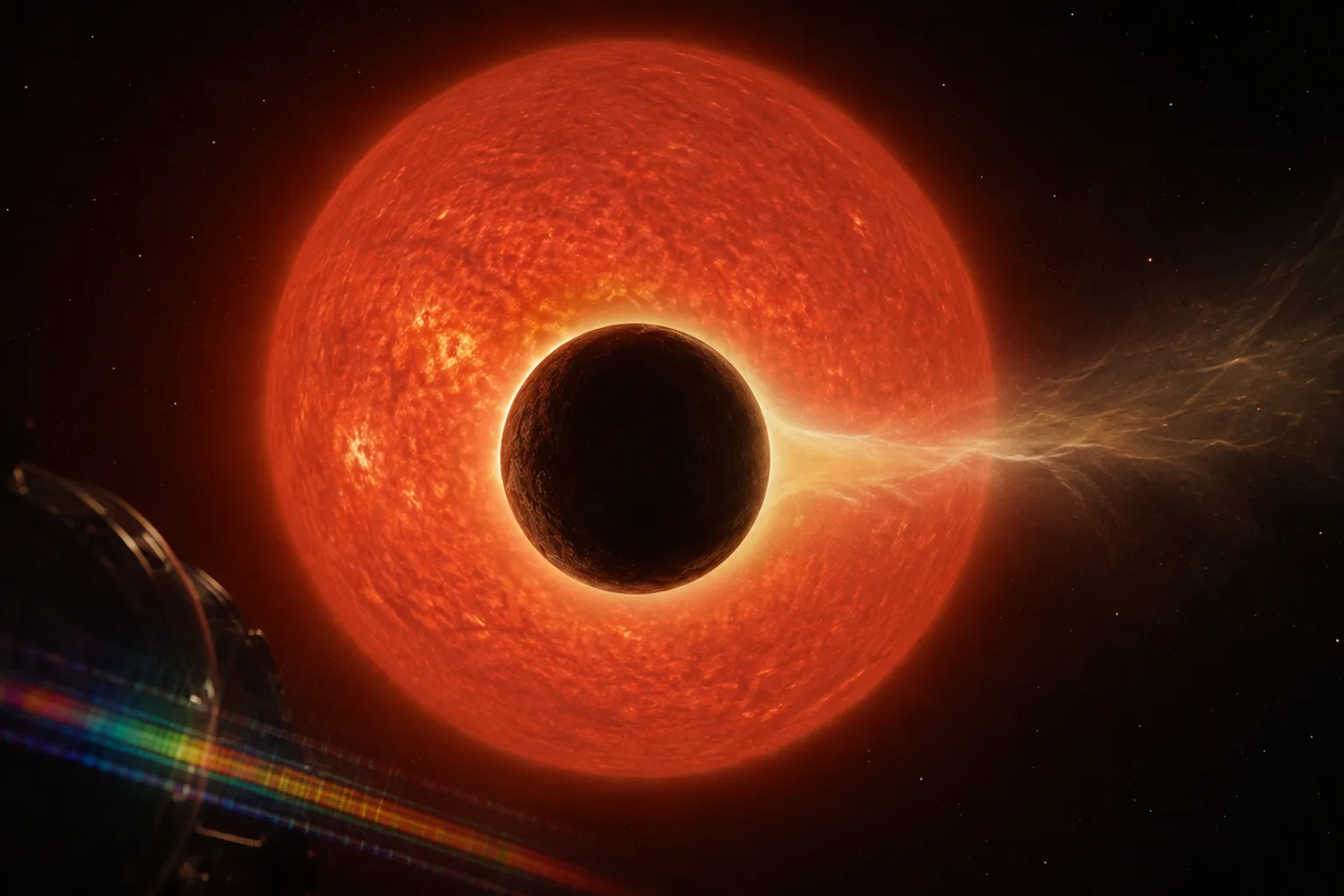
Helium escaping from the atmosphere of a nearby rocky exoplanet orbiting in a habitable zone
| Source: Science

Observations of highly irradiated gas giant exoplanets have shown helium escaping from their atmospheres. There is limited evidence for atmospheres on rocky exoplanets, perhaps because they have already escaped. We report near-infrared spectroscopic observations of LHS 1140b, a rocky exoplanet that orbits in the habitable zone of a nearby low-mass star. The transit spectra show absorption by helium escaping from the planet’s atmosphere. Helium absorption is detected in 2024 but not in 2025, indi

Observations of highly irradiated gas giant exoplanets have shown helium escaping from their atmospheres. There is limited evidence for atmospheres on rocky exoplanets, perhaps because they have already escaped. We report near-infrared spectroscopic observations of LHS 1140b, a rocky exoplanet that orbits in the habitable zone of a nearby low-mass star. The transit spectra show absorption by helium escaping from the planet’s atmosphere. Helium absorption is detected in 2024 but not in 2025, indicating time-variable atmospheric escape. We interpret these results as indicating an upper atmosphere dominated by helium and depleted in hydrogen, with other volatile species trapped at lower altitudes, which is consistent with atmospheric fractionation models. No helium absorption is detected for LHS 1140c, a smaller and more strongly irradiated exoplanet in the same system.

Read the original source →

Related Topics

Related Stories

Physical/Tech

Extensive glacier loss in the coterminous United States.

Glaciers populate the mountain ranges of the western conterminous United States and despite their importance to alpine hydrology, their area and volume change have never been comprehensively evaluated. Our study shows that since the mid-twentieth century about one-quarter of the glaciers have disappeared and the overall area and volume are reduced by one-third. The pattern of glacier shrinkage suggests most glaciers in the conterminous United States are largely maintained by local topographic in

Continue reading
Physical/Tech

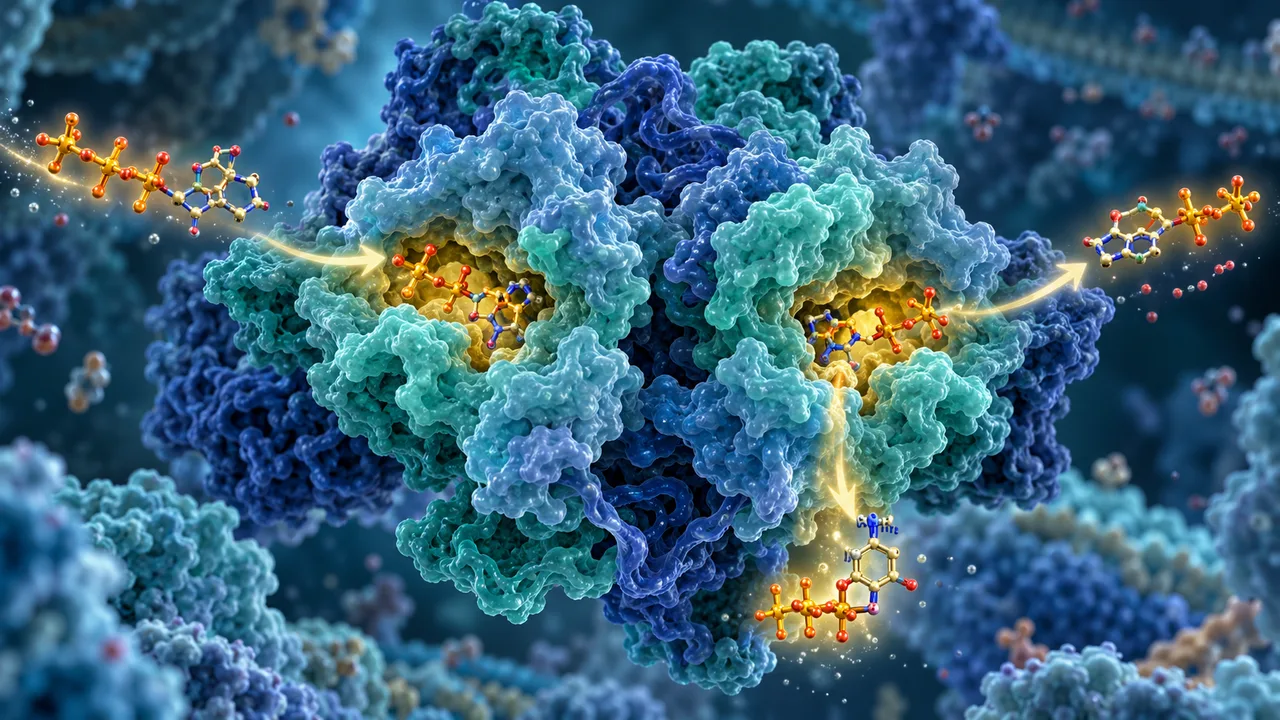
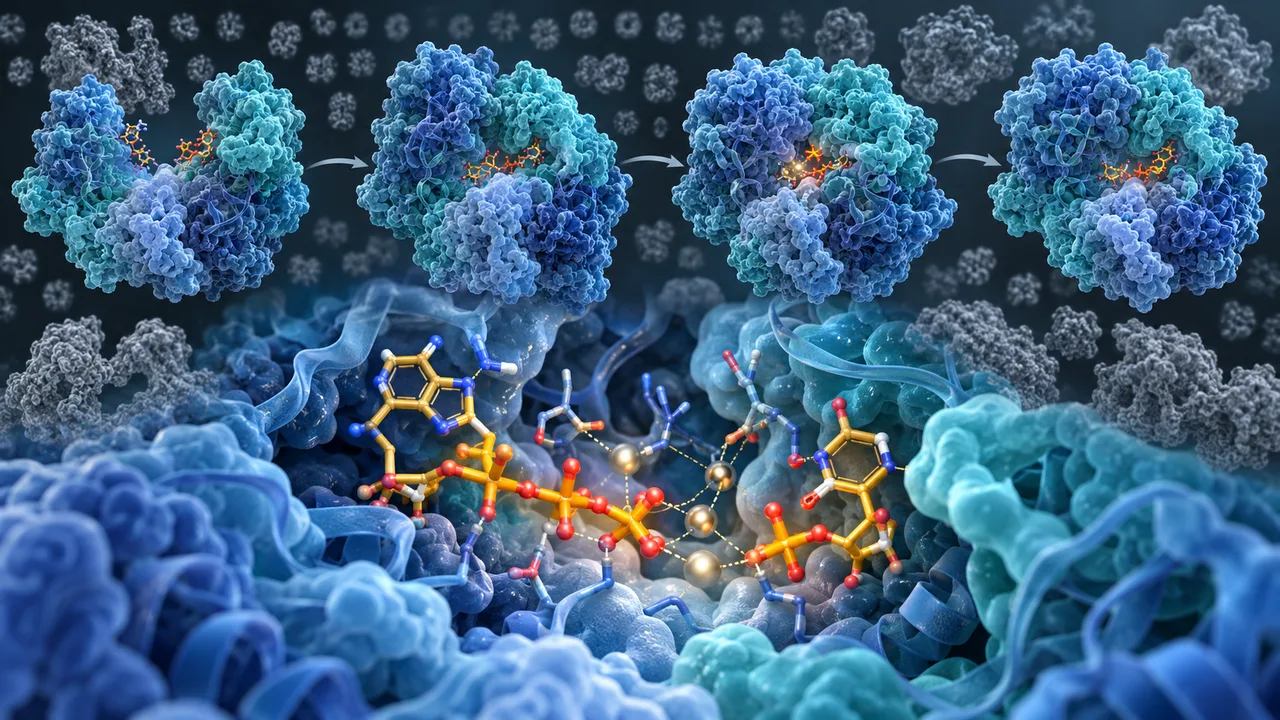
Reaction-based cryo-EM resolves the continuous conformational spectrum of CTP synthase catalysis.

Capturing enzymes under native turnover conditions remains a grand challenge in structural biology. Here, we develop a reaction-based cryo-electron microscopy (cryo-EM) strategy that directly samples Drosophila melanogaster cytidine triphosphate synthase (CTPS) from actively catalyzing mixtures containing only natural substrates and allosteric effectors. By integrating reaction-based sampling with three-dimensional variability analysis, we resolve a continuous conformational spectrum of CTPS dur

Continue reading
Physical/Tech

GTP orchestrates CTP synthase via an allosteric effector-cycling mechanism.

Cytidine triphosphate (CTP), a fundamental building block of RNA, plays vital roles in diverse biological processes. CTP synthase (CTPS) is the only known enzyme for de novo synthesis of CTP. Efficient CTPS catalysis requires guanosine triphosphate (GTP) in a dose-dependent, nonconsumptive manner; however, the precise mechanism by which GTP drives CTP formation remains unclear. Here, we integrate a series of cryo-EM structures of Drosophila melanogaster CTPS captured from actively catalyzing sam

Continue reading
Physical/Tech

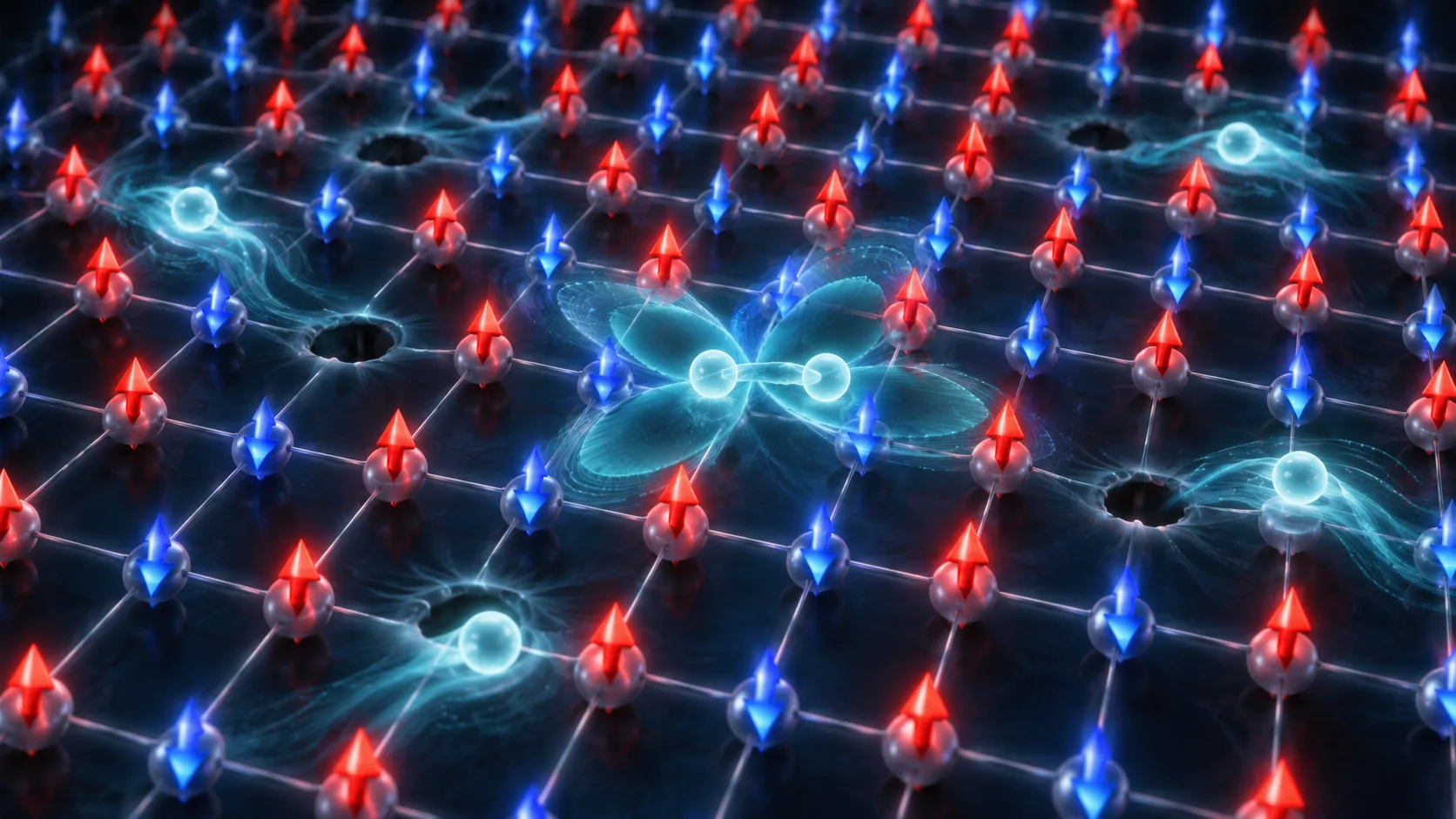
Antiferromagnetism and tightly bound Cooper pairs induced by kinetic frustration.

Antiferromagnetism and superconductivity are often viewed as competing orders in correlated electron systems. Here, we demonstrate that kinetic frustration in hole motion facilitates their coexistence within the square-lattice repulsive Hubbard model. Combining exact analytical solutions on tailored geometries with large-scale numerical simulations, we reveal a robust pairing mechanism: Holes on opposite sublattices behave as if they carry opposite effective charges due to spin singlet formation

Continue reading
Physical/Tech

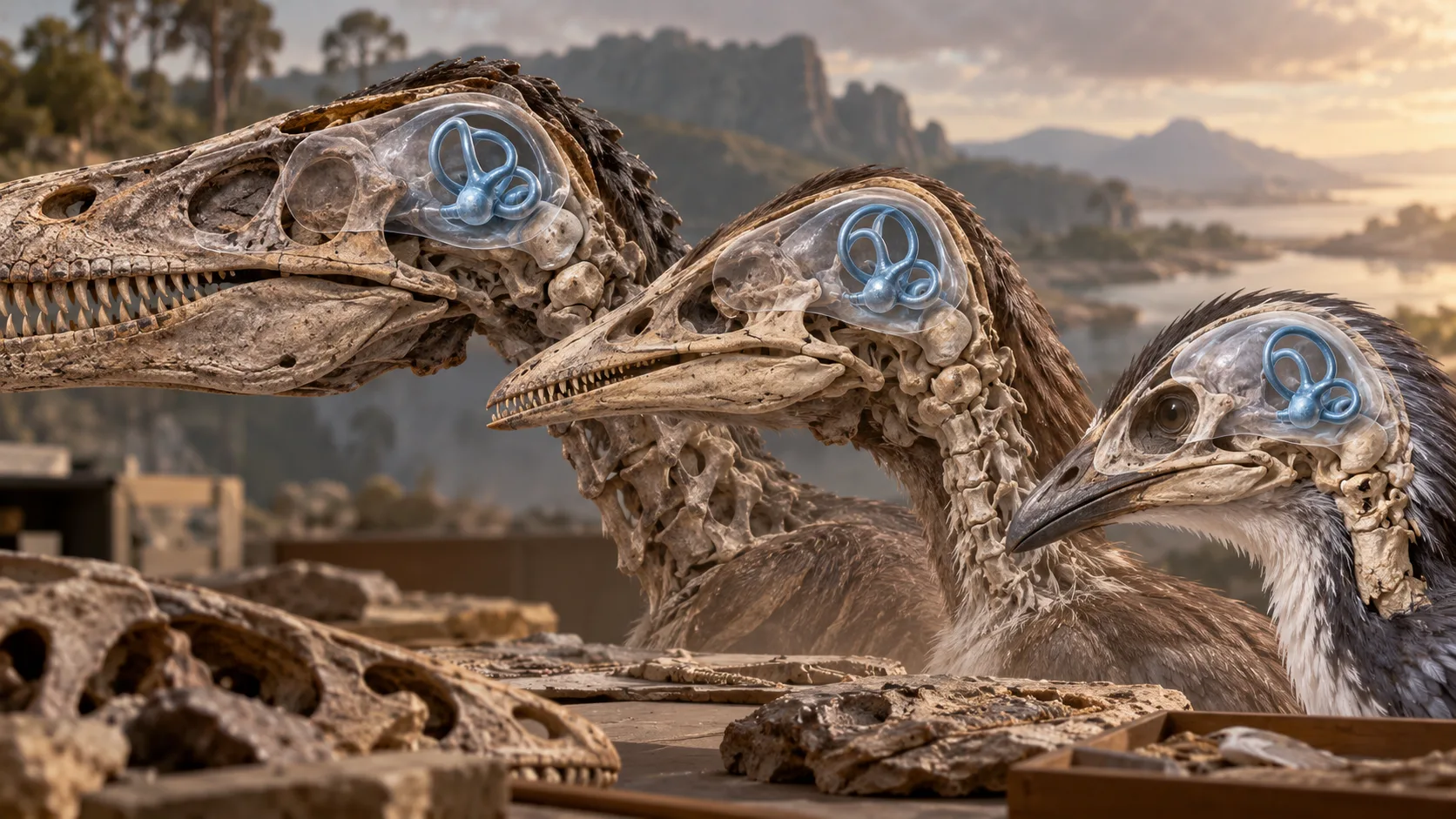
Coordinated transformations of the labyrinth and occiput during the dinosaur-bird transition.

Evolutionary shape changes of the vertebrate semicircular canals (SCCs) are often ascribed to evolutionary transitions in locomotion, including the origin of flight during the dinosaur-bird transition. However, the potential for transformations of braincase architecture to influence SCC shape independent of sensory-functional adaptation has generally been overlooked. We evaluate the influence of both factors using a large dataset of 146 living and recently extinct crown birds, including taxa rep

Continue reading